|
|
 |
|
30th Anniversary Celebrations
Economic Development
New Rural Reform Efforts
Political System Reform
Changing Lifestyle
In Foreigners' Eyes
Commentary
Enterprise Stories
Newsmakers
Photo Gallery
Video and Audio
Wang Wenlan Gallery
Slideshow
Key Meetings
Key Reform Theories
Development Blueprint
Li Xing:
Teachers like Li need our support  Alexis Hooi:
Going green in tough times   Hong Liang:
Bold plan best option for economy   Affordable leisure
By YOU NUO (China Daily)
Updated: 2008-08-25 16:18
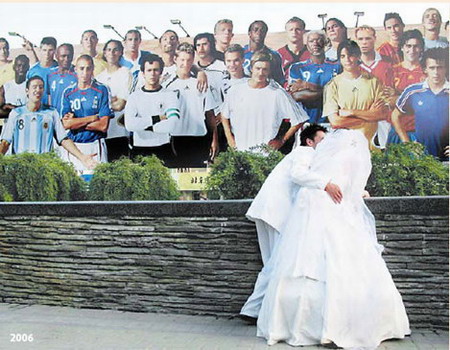
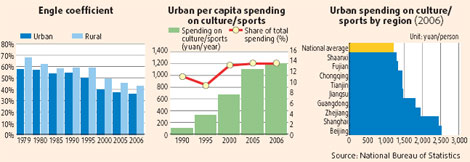
Large sporting events, let alone international ones, are festivals in the modern time. When athletes are busy competing with one another, other people have fun. To make the best of the opportunity, young people plan some romantic time for themselves - to watch the game together in the stadium or in night clubs, and even to hold their wedding ceremonies. On the eve of the just-ended Beijing Olympics, Chinese media ran many reports about unusually large numbers of people registering marriages in this or that city. According to the real estate online service Soufun.com, in Beijing in the morning of August 8 alone, 16,000 couples registered marriage. The figure was immediately used to highlight the alleged future demand for new housing units in the city. But as it turned out, Soufun.com's account was less than half true. In the report by CCTV, the national television system, the number of Beijing's marriage registers on August 8 was 15,646 couples for the whole day. While the entire nation's single-day marriage registration record for that day, as CCTV quoted from the Ministry of Civil Affairs, was 314,244 couples. To say that more marriages will generate more sales of new houses is exaggeration. But what did sell well were wedding gowns (or the rentals of them) and gifts, and along with them, large flat screen TV sets (for the newlyweds to watch the forthcoming games). Yet behind all these things - the young people's chase for fun and all the sales around the Olympics - is that this society has become able to afford them. Admittedly, there is still much poverty in China. But in general its people do have more money and can enjoy more leisure. By one index, namely the money spent on food in a family's total expenditure, China has seen a major difference in the last three decades. Called by economists the Engle coefficient, it has come down in urban China from 57.5 to 35.8 in percentage terms, and in rural China, from 67.7 to 43. Nowadays each urban resident would use around 14 percent of his or her total spending to chase cultural, entertainment, and sports interests, as reflected by data released by the National Statistics Bureau. In real terms, it is 1,200 yuan ($163.54) on average. But in Beijing and Shanghai, it means every person would spend, not including the purchase of gadgets, 2,500 yuan a year. That, in Mao's time, could be equivalent to a young worker's 10 years' wages.

|
       |
主站蜘蛛池模板: 洮南市| 日照市| 新乡县| 靖州| 章丘市| 莱西市| 陵川县| 固阳县| 仙居县| 和政县| 安图县| 德格县| 乌兰浩特市| 胶南市| 平阴县| 山东省| 宁乡县| 峡江县| 姜堰市| 全椒县| 灯塔市| 舒兰市| 灵台县| 合山市| 苍梧县| 东乡县| 黑水县| 阳城县| 泰和县| 文山县| 思南县| 永胜县| 高邮市| 连州市| 上饶市| 永兴县| 榆中县| 报价| 河东区| 安平县| 凉城县| 游戏| 九龙县| 织金县| 寻乌县| 鄂伦春自治旗| 玉溪市| 巴楚县| 莲花县| 盐亭县| 扶绥县| 定远县| 曲周县| 长岛县| 广东省| 饶阳县| 阿克陶县| 湘阴县| 白水县| 漠河县| 堆龙德庆县| 广东省| 翼城县| 遂昌县| 闻喜县| 乐山市| 深州市| 东台市| 禄丰县| 宜春市| 格尔木市| 五台县| 林州市| 贵州省| 沙坪坝区| 平南县| 阿瓦提县| 托克逊县| 承德市| 尼勒克县| 灵山县| 浠水县|