Looking back, and forward, on reform anniversary








On July14, 2001, China was awarded the 2008 Olympics.
I visited Beijing and toured the Olympic sites in February 2008. I said to my host, “Are you sure you will be ready for the games?” He simply smiled, and replied, “If we could build the Great Wall of China, we can do anything.” That August, the world witnessed the staging of the most spectacular Olympic Games in history, drawing more than two billion global viewers. China was ready to show the world what it was capable of, and showcased its manpower, ingenuity, wealth and technological know-how. The event was so impressive that England, when taking over the Olympic flag, humbly said “we will do it our way.” I doubt anybody in the world could replicate what China did at the 2008 Olympics.
Hosting the 2022 Winter Olympics secured Beijing’s place in history as the first city to host both summer and winter games, reflecting China’s international influence. In 2001, China was an unknown. Today, China is the second-largest economy in the world. With the introduction of the Belt and Road Initiative backed by the Asian Infrastructure Investment Bank, China’s presence is felt all over the world.
This year marks the 40th anniversary of China's reform and opening-up policy, launched by former leader Deng Xiaoping in 1978.
To fully understand what happened to China, we need to travel back to 1977, when Deng Xiaoping was appointed General Secretary of the Communist Party of China. The following year the CPC appointed him as the chairman of the committee in charge of economic reform.
"Crossing the river by feeling the stones," as Deng put it, is how China started implementing reform and opening-up in 1978.
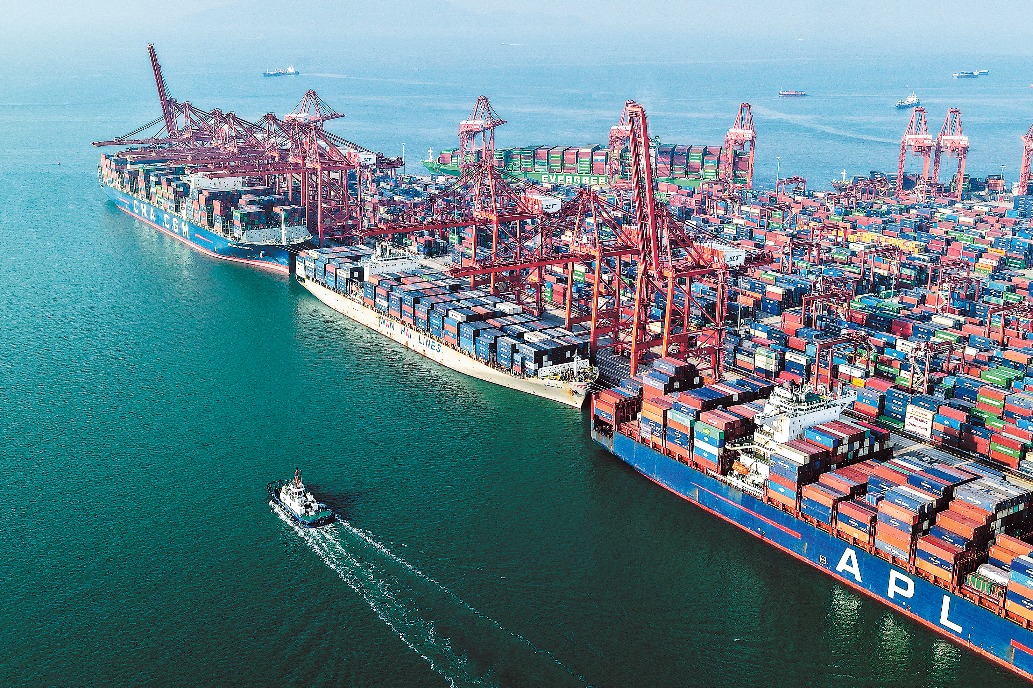
In 2017, China became a major trade partner of more than 120 countries and regions. It has been ranked first among developing countries regarding inbound foreign direct investment for 26 consecutive years.
GDP skyrocketed to 82.7 trillion yuan ($12.5 trillion) in 2017, 200 times that of the pre-reform era. China has surpassed North America in attracting almost half of the world’s venture capital investments, receiving $136.32 billion in FDI in 2017 compared to $46.88 billion in 2001, when it first entered the World Trade Organization. The Belt and Road Initiative itself promotes international and regional cooperation and the development of an open economy.
A Soviet-style collapse or Japanese-style stagnation did not happen to China — in fact, the economy has continued to gallop ahead.
Stephen Ling is an author and professor who spent seven years as a visiting lecturer in China.