
男女羞羞视频在线观看,国产精品黄色免费,麻豆91在线视频,美女被羞羞免费软件下载,国产的一级片,亚洲熟色妇,天天操夜夜摸,一区二区三区在线电影
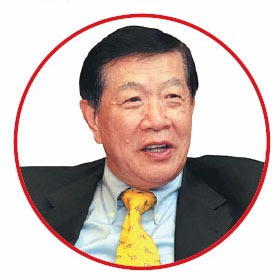
Henry Chang-yu Lee
World-leading forensic scientist
BORN:

Nov 22, 1938 in Rugao, Jiangsu province

EDUCATION:

? 1959: Graduates from Central Police College, Taiwan

? 1972: BSc in forensic sciences, City University of New York

? 1974: MSc in biochemistry, New York University

? 1975: PhD in biochemistry, NYU

CAREER:

? 1960-65: Officer in the Taipei Police Department, rising to the rank of captain

? 1979-98: Director and chief criminalist, Connecticut State Police Forensic Laboratory

? 1998-2000: Commissioner of the Connecticut Department of Public Safety

? 2001-10: Commissioner emeritus of the Connecticut State Police Forensic Laboratory

? 2006: Establishes the Henry C. Lee Institute of Forensic Science at University of New Haven, Connecticut, where he serves as director of forensic research and training

? September 2013: Accepts consultancy role at China's Procuratorate Technology Information Research Center, part of the Supreme People's Procuratorate

? 2016-present: Chairman of the Silk Road Forensic Consortium

Top forensic scientist finds evidence of great progress
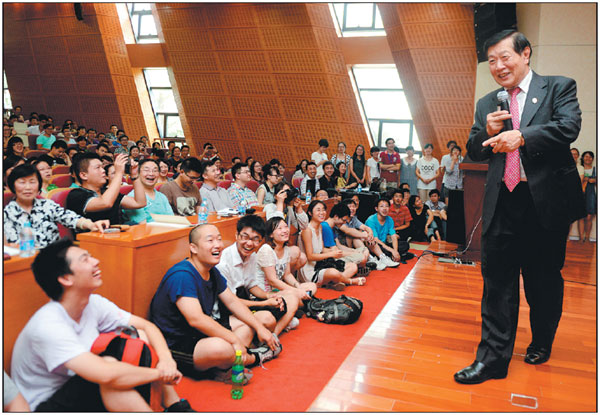
Henry Chang-yu Lee say China has become a leading player in high-tech systems for catching criminals
Cao Yin
Henry Chang-yu Lee gives a speech at Shanghai Jiao Tong University on July 26, 2013. Du Xin / China Daily

Globally renowned forensic scientist Henry Chang-yu Lee has tipped China to become a world leader in high-tech evidence collection thanks to growing investment in time, energy and talent since the 1980s.

"I believe the technology in China will be more advanced than even in the United States within five years," the Chinese-American expert said in an exclusive interview.

Lee, 80, has more than five decades of experience in forensic science and has taken part in investigations into some of the biggest criminal cases in the United States. Since the 1980s, he has regularly traveled to China to offer his expertise to students, law enforcement, lawyers and judges.

"The apparatus and devices used to identify fingerprints or footprints, for example, were very simple when I first visited Chinese forensic laboratories," he said. Yet as forensic science has developed in the country, he said there have been many advances, particularly in electronic evidence collection and real-time monitoring at banks to prevent fraud.

In 2016, Lee and several other experts established the Silk Road Forensic Consortium in Xi'an, Shaanxi province, to fight crime and safeguard security by boosting scientific exchanges among countries involved in the Belt and Road Initiative.

The consortium, which has 150 members from 30 countries and regions, provides an open platform for forensic specialists, police officers and judges to share ideas and difficulties as well as experiences in DNA identification studies.

Lee, who acts as chairman, said, "Although we speak different languages in our daily lives, we all speak the same 'language' at work, and that's the language of criminal investigation. We share the same goal - to speak for the dead using forensic science."

In September, at the organization's third annual conference in Yantai, Shandong province, Lee announced plans to unify DNA identification standards among its members to try and build a mutual DNA database that can better solve criminal cases.

Unified standards are essential to the world of forensic science, he told China Daily. For example, he said, forensic technicians in different Chinese cities use various chemical reagents, apparatus and reports to identify DNA, which could affect cross-regional cases.

"If we can achieve unification in China, it can be extended across Asia, to the consortium and finally the world," he added. "It would mean a brighter future for forensic science."


1 2 3 Next   >>|
Henry Chang-yu Lee
World-leading forensic scientist
BORN:

Nov 22, 1938 in Rugao, Jiangsu province

EDUCATION:

? 1959: Graduates from Central Police College, Taiwan

? 1972: BSc in forensic sciences, City University of New York

? 1974: MSc in biochemistry, New York University

? 1975: PhD in biochemistry, NYU

CAREER:

? 1960-65: Officer in the Taipei Police Department, rising to the rank of captain

? 1979-98: Director and chief criminalist, Connecticut State Police Forensic Laboratory

? 1998-2000: Commissioner of the Connecticut Department of Public Safety

? 2001-10: Commissioner emeritus of the Connecticut State Police Forensic Laboratory

? 2006: Establishes the Henry C. Lee Institute of Forensic Science at University of New Haven, Connecticut, where he serves as director of forensic research and training

? September 2013: Accepts consultancy role at China's Procuratorate Technology Information Research Center, part of the Supreme People's Procuratorate

? 2016-present: Chairman of the Silk Road Forensic Consortium

Top forensic scientist finds evidence of great progress

Henry Chang-yu Lee say China has become a leading player in high-tech systems for catching criminals
Cao Yin
Henry Chang-yu Lee gives a speech at Shanghai Jiao Tong University on July 26, 2013. Du Xin / China Daily

Globally renowned forensic scientist Henry Chang-yu Lee has tipped China to become a world leader in high-tech evidence collection thanks to growing investment in time, energy and talent since the 1980s.

"I believe the technology in China will be more advanced than even in the United States within five years," the Chinese-American expert said in an exclusive interview.

Lee, 80, has more than five decades of experience in forensic science and has taken part in investigations into some of the biggest criminal cases in the United States. Since the 1980s, he has regularly traveled to China to offer his expertise to students, law enforcement, lawyers and judges.

"The apparatus and devices used to identify fingerprints or footprints, for example, were very simple when I first visited Chinese forensic laboratories," he said. Yet as forensic science has developed in the country, he said there have been many advances, particularly in electronic evidence collection and real-time monitoring at banks to prevent fraud.

In 2016, Lee and several other experts established the Silk Road Forensic Consortium in Xi'an, Shaanxi province, to fight crime and safeguard security by boosting scientific exchanges among countries involved in the Belt and Road Initiative.

The consortium, which has 150 members from 30 countries and regions, provides an open platform for forensic specialists, police officers and judges to share ideas and difficulties as well as experiences in DNA identification studies.

Lee, who acts as chairman, said, "Although we speak different languages in our daily lives, we all speak the same 'language' at work, and that's the language of criminal investigation. We share the same goal - to speak for the dead using forensic science."

In September, at the organization's third annual conference in Yantai, Shandong province, Lee announced plans to unify DNA identification standards among its members to try and build a mutual DNA database that can better solve criminal cases.

Unified standards are essential to the world of forensic science, he told China Daily. For example, he said, forensic technicians in different Chinese cities use various chemical reagents, apparatus and reports to identify DNA, which could affect cross-regional cases.

"If we can achieve unification in China, it can be extended across Asia, to the consortium and finally the world," he added. "It would mean a brighter future for forensic science."

主站蜘蛛池模板: 江西省| 肥城市| 阿拉善右旗| 莲花县| 蒙阴县| 化隆| 太仓市| 北流市| 丹凤县| 巩义市| 麻栗坡县| 满洲里市| 宜春市| 桃园市| 象州县| 偃师市| 台州市| 银川市| 沙洋县| 通海县| 绥中县| 紫金县| 高邮市| 嘉峪关市| 上饶市| 隆昌县| 松潘县| 博乐市| 靖边县| 上高县| 临夏县| 卫辉市| 海晏县| 库伦旗| 延寿县| 霍山县| 柘荣县| 黄山市| 汪清县| 互助| 米易县| 福州市| 漳州市| 武安市| 元谋县| 五河县| 咸丰县| 宁津县| 垣曲县| 靖安县| 鹤峰县| 海晏县| 温泉县| 会宁县| 彭阳县| 宕昌县| 凤庆县| 江陵县| 灵丘县| 呼和浩特市| 固安县| 宣化县| 西华县| 额济纳旗| 木兰县| 罗源县| 惠来县| 贡觉县| 微博| 密山市| 巴林左旗| 阜阳市| 大洼县| 凤阳县| 子长县| 汉中市| 蓝山县| 泰兴市| 隆林| 荣成市| 富锦市| 沂南县|