


Specialized museums walk a fine line







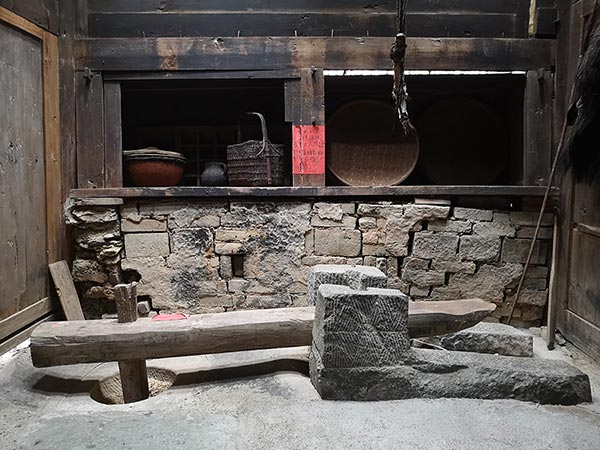
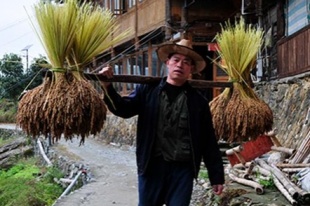
"It's a dynamic experience-you can observe the lives of the original residents. Instead of seeing an object like farm tools in an exhibition hall, you can see how villagers use them in the actual fields."
In the early stages of the project, the standards for choosing a site included the preservation status of the architecture and an assessment of its intangible cultural heritage.
The 10 ecomuseums are located in different parts of Guangxi. They feature different ethnic groups and characteristic handicrafts like embroidery.
Gong says the ecomuseum project in Guangxi aims to protect ethnic culture and boost the development of local communities. Unlike traditional museums, they emphasize follow-up work to encourage the local community to become more involved.
"We've made a great deal of progress over the past few years. For example, villagers now know the importance of protecting and repairing old buildings," he says.
In each ecomuseum, they choose several exemplary historical residences that are well-preserved and then train the owners how to further protect them. These buildings also prove popular with tourists.
Mai Xi, a department director at the Anthropology Museum of Guangxi, says: "We do our best to maintain public works of architecture like ancestral halls. Many villagers modernize the interiors of their old houses a bit, and leave the exteriors as they are.
"One possible solution is for us to purchase one or two old houses built at different times, so as to demonstrate the community's development like a timeline."
Their staff members often take photos or make videos to record local culture and teach villagers to follow suit. They organize an annual photo and film festival for staff members and villagers to showcase their works and publish photo books.
"These kinds of digital works are also a form of protection-it's a precious cultural wealth. Some locals are willing to learn and understand the importance of this," Mai says.
Ecomuseums are beneficial to the local community, he says.
"The local government intensified the construction of infrastructure like roads, plumbing and electricity, which were not available in some remote villages in our ecomuseums at that time," Gong says.
"If there are inflows of tourists, it means more income. It improves the standard of living for the locals, especially for those in areas with poverty. We also train locals to make handicrafts and help them to sell them and increase their income."
However, Gong admits that increased tourism can often be a double-edged sword. Tourists like to experience authentic culture, and villagers are aware that they should protect it so as to attract visitors. But if there is excessive development of tourism, it's inevitable that the local culture will be damaged by commercialization.
He says it's essential that different government departments work together to persuade villagers to build modern residences in a certain place near the original villages so as to preserve the overall styles of the ancient residences.
According to Gong, half of the 10 ecomuseums in Guangxi have not been awarded scenic-area status due to their remote locations, which may have afforded them some additional protection.
"The concept of the ecomuseum is still new around the globe and needs more publicity in China, too. Both Chinese curators and their foreign counterparts are exploring in various ways."
He says they work with overseas counterparts who have recognized Guangxi's project as a functioning model-one with a traditional museum, such as the Anthropology Museum of Guangxi, taking the lead as a guide and working with the 10 ecomuseums across the region.
Meanwhile, the Anthropology Museum of Guangxi is cooperating with scholars from three museums in the United States to do fieldwork to research ethnic culture in two ecomuseums in Guangxi.