
男女羞羞视频在线观看,国产精品黄色免费,麻豆91在线视频,美女被羞羞免费软件下载,国产的一级片,亚洲熟色妇,天天操夜夜摸,一区二区三区在线电影
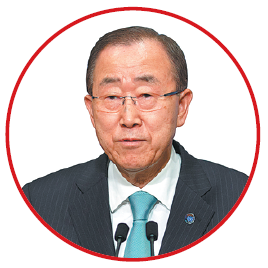
Ban Ki-moon
Eighth secretary-general of the United Nations
BORN:

June 13, 1944

EDUCATION:

1970: BA in international relations from Seoul National University, Republic of Korea

1985: Master of Public Administration from Harvard University, United States

CAREER:

1987-90: Counselor at the ROK embassy to the United States

1990-92: Director of American affairs at the ROK Foreign Ministry

1995-96: ROK vice-minister for Policy Planning and International Organizations

1996-98: National security adviser to the ROK president

1998-2000: ROK ambassador to Austria

2000-01: ROK vice-minister of foreign affairs

2003: Foreign policy adviser to the ROK president

2007-16: United Nations secretary-general

2018: Chairman of the Boao Forum for Asia

Ban urges China to increase presence on world stage

Former UN secretary-general praises country's efforts to maintain global peace, tackle climate change and eradicate poverty
Pan Mengqi in Seoul
Ban Ki-moon (second from left), former UN secretary-general, visits the United Nations Stabilisation Mission in Haiti and China's Peacekeeping Police Force in Port-au-Prince in 2007. [Photo/Xinhua]

Ban Ki-moon, former UN secretary-general, summarized China's 40 years of reform and opening-up by using one of his favorite phrases - "With great success, comes great responsibility."

He added, "It's hard to describe the phenomenal changes and development China has made with the reform and opening-up of Chinese society and the economy since 1978."

Describing China's economic achievements during the past four decades as "a miracle", Ban said that in addition to making its own people richer, the country's contribution to the world has been to set a development model for other developing nations.

He noted that in 1978, the year the policy was adopted, China's GDP accounted for just 2 percent of the global total, and many people in the country were living below the poverty line.

However, economic and social development in China has grown in leaps and bounds as a result of the policy.

According to the National Bureau of Statistics, China's GDP rose by 6.9 percent to $12.06 trillion last year, one-fifth of the global total and surpassing the United Kingdom, Germany, and Japan to retain the country's position as the world's second-largest economy. Moreover, the monthly per capita disposable income of China's urban workers rose to $5,245, 104 times higher than in 1978, while rural monthly per capita net incomes rose to $1,935 from $20.

"One of the greatest achievements of China's economic growth is that it has lifted more than 700 million people out of absolute poverty, accounting for 70 percent of global poverty reduction during the period," Ban said.

Stressing the importance of China's poverty alleviation efforts, he added that the country has also made a commitment to accept more responsibility within the international community.

Nearly two years' after leaving the UN, the 74-year-old still appreciates China's continued leadership and multilateral engagement within the organization in support of resolving regional and global challenges.

Ban held office from 2007 to 2016, and during his tenure he was a keen promoter of tackling climate change and other global challenges.

"During my two terms as UN secretary-general, I am proud to have prioritized and expanded the importance of the organization's global development efforts," he said.

In 2015, the UN and its 193 member countries passed the 2030 Agenda and its 17 sustainable development goals. Ban said the goals offer the world a way to confront the most critical issues of our time, including poverty reduction, education, inequality, climate change, improvements in public health, and gender equality.

The initiative called for "multistakeholder partnerships that mobilize and share knowledge, expertise, technology and financial resources to support the achievement of the sustainable development goals in all countries", Ban said.

He added that in the three years since the goals were adopted, progress remains uneven and some sectors and regions are moving faster than others. However, he also noted that cooperation between the UN and China has accelerated, and said the country's crucial role in advancing the goals at home and abroad is providing a better quality of life for the world.


Video: Ban Ki-moon praises China's 'phenomenal stride'

1 2 3 Next   >>|
Ban Ki-moon
Eighth secretary-general of the United Nations
BORN:

June 13, 1944

EDUCATION:

1970: BA in international relations from Seoul National University, Republic of Korea

1985: Master of Public Administration from Harvard University, United States

CAREER:

1987-90: Counselor at the ROK embassy to the United States

1990-92: Director of American affairs at the ROK Foreign Ministry

1995-96: ROK vice-minister for Policy Planning and International Organizations

1996-98: National security adviser to the ROK president

1998-2000: ROK ambassador to Austria

2000-01: ROK vice-minister of foreign affairs

2003: Foreign policy adviser to the ROK president

2007-16: United Nations secretary-general

2018: Chairman of the Boao Forum for Asia

Ban urges China to increase presence on world stage

Former UN secretary-general praises country's efforts to maintain global peace, tackle climate change and eradicate poverty
Pan Mengqi in Seoul
Ban Ki-moon (second from left), former UN secretary-general, visits the United Nations Stabilisation Mission in Haiti and China's Peacekeeping Police Force in Port-au-Prince in 2007. [Photo/Xinhua]

Ban Ki-moon, former UN secretary-general, summarized China's 40 years of reform and opening-up by using one of his favorite phrases - "With great success, comes great responsibility."

He added, "It's hard to describe the phenomenal changes and development China has made with the reform and opening-up of Chinese society and the economy since 1978."

Describing China's economic achievements during the past four decades as "a miracle", Ban said that in addition to making its own people richer, the country's contribution to the world has been to set a development model for other developing nations.

He noted that in 1978, the year the policy was adopted, China's GDP accounted for just 2 percent of the global total, and many people in the country were living below the poverty line.

However, economic and social development in China has grown in leaps and bounds as a result of the policy.

According to the National Bureau of Statistics, China's GDP rose by 6.9 percent to $12.06 trillion last year, one-fifth of the global total and surpassing the United Kingdom, Germany, and Japan to retain the country's position as the world's second-largest economy. Moreover, the monthly per capita disposable income of China's urban workers rose to $5,245, 104 times higher than in 1978, while rural monthly per capita net incomes rose to $1,935 from $20.

"One of the greatest achievements of China's economic growth is that it has lifted more than 700 million people out of absolute poverty, accounting for 70 percent of global poverty reduction during the period," Ban said.

Stressing the importance of China's poverty alleviation efforts, he added that the country has also made a commitment to accept more responsibility within the international community.

Nearly two years' after leaving the UN, the 74-year-old still appreciates China's continued leadership and multilateral engagement within the organization in support of resolving regional and global challenges.

Ban held office from 2007 to 2016, and during his tenure he was a keen promoter of tackling climate change and other global challenges.

"During my two terms as UN secretary-general, I am proud to have prioritized and expanded the importance of the organization's global development efforts," he said.

In 2015, the UN and its 193 member countries passed the 2030 Agenda and its 17 sustainable development goals. Ban said the goals offer the world a way to confront the most critical issues of our time, including poverty reduction, education, inequality, climate change, improvements in public health, and gender equality.

The initiative called for "multistakeholder partnerships that mobilize and share knowledge, expertise, technology and financial resources to support the achievement of the sustainable development goals in all countries", Ban said.

He added that in the three years since the goals were adopted, progress remains uneven and some sectors and regions are moving faster than others. However, he also noted that cooperation between the UN and China has accelerated, and said the country's crucial role in advancing the goals at home and abroad is providing a better quality of life for the world.

Video: Ban Ki-moon praises China's 'phenomenal stride'

主站蜘蛛池模板: 固原市| 宁夏| 巴彦淖尔市| 内江市| 清河县| 基隆市| 铅山县| 庄浪县| 依安县| 东丽区| 平乡县| 虹口区| 峡江县| 镇远县| 冀州市| 积石山| 陕西省| 新兴县| 滁州市| 隆化县| 万州区| 平罗县| 桐庐县| 巴青县| 抚顺市| 长宁县| 汶川县| 宣汉县| 分宜县| 牙克石市| 宝应县| 师宗县| 香河县| 武鸣县| 五华县| 淄博市| 保靖县| 邓州市| 修文县| 舟山市| 桃江县| 漳浦县| 潜江市| 宣威市| 新疆| 景东| 汾阳市| 勐海县| 子长县| 绥德县| 翁源县| 吴江市| 曲水县| 定安县| 曲阳县| 缙云县| 开阳县| 元阳县| 理塘县| 正蓝旗| 阜平县| 久治县| 阳曲县| 西盟| 和田市| 惠水县| 惠东县| 闽侯县| 凉山| 三门峡市| 崇明县| 安陆市| 家居| 景德镇市| 海兴县| 嘉善县| 泰宁县| 垫江县| 新乡市| 庐江县| 富源县| 全南县|