
男女羞羞视频在线观看,国产精品黄色免费,麻豆91在线视频,美女被羞羞免费软件下载,国产的一级片,亚洲熟色妇,天天操夜夜摸,一区二区三区在线电影
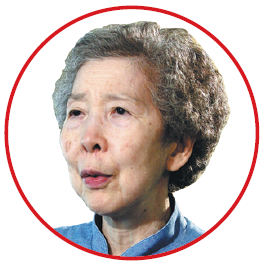
Annie Wu Suk-ching
Hong Kong entrepreneur, policy adviser
BORN:

September 1948 in Hong Kong

EDUCATION:

1968-70: Armstrong Business College, Berkeley, California

CAREER:

1980: Founder, Beijing Air Catering Co

1984: Member of the board, World Trade Centers Association, New York

1988-2009: Chairwoman of the executive committee, Chinese History and Culture Educational Foundation for Youth

1988-2003: Member of the National Committee of the Chinese People's Political Consultative Conference

2003-present: Member of the Standing Committee of the Chinese People's Political Consultative Conference National Committee

HONORS:

1978: Hong Kong Ten Outstanding Young Persons Award

1987: Hong Kong Award for Excellence in Business

1990: Hong Kong Young Industrialist Award

1997: Justice of the Peace

1999: Silver Bauhinia Star

The bellwether of change in airline meals
Annie Wu Suk-ching, founder of first mainland-HK joint venture, Beijing Air Catering Co, says her belief in the government's development path placed her on the front line of reforms
LUO WEITENG
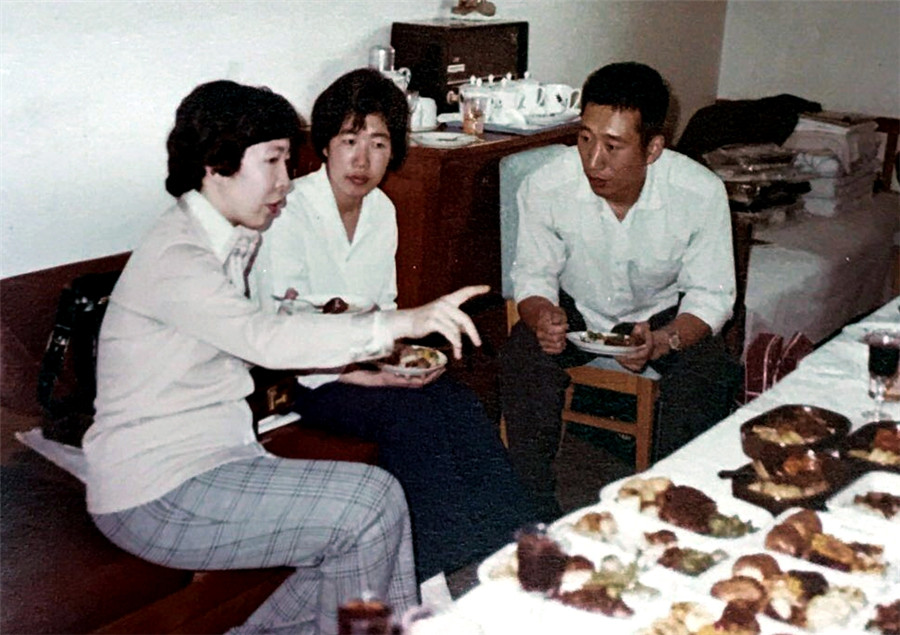
Wu was invited to help train employees at a resort in Beidaihe, Hebei province, in 1979, that threw open the resort town's doors to tourists. [Photo provided to China Daily]

Family experience

Wu said she convinced her father to capitalize on the family's extensive catering industry experience to help airlines flying out of Beijing deliver a selection of hot meals.

In mid-1979, they traveled 13 hours by train and plane to Beijing for protracted talks with the Civil Aviation Administration of China.

Without a precedent, negotiations moved slowly.

"With almost no knowledge of Mandarin, we used facial expressions, gestures and traditional Chinese characters written down on paper to communicate with the officials at the Beijing Hotel," Wu said. "A person from the Beijing side knew a bit of Cantonese and helped out as an interpreter."

At the time, the Chinese government had no experience dealing with investors from overseas. Officials did not know what was legal or illegal, so much so that Wu had to translate the contract, letter of intent and relevant clauses of the corporate law commonly used in Hong Kong into Mandarin for their reference.

As the May 1, 1980, deadline set by Deng approached, Shen Tu, head of the CAAC, could barely sit still. Shen asked Wu's father if he could start the preparatory work before getting the final nod from officials, many of whom had no concrete idea about joint ventures and could not give clear-cut answers.

"Without any contract or letter of authorization in black and white, a handshake with Shen simply meant that the deal was nailed down," Wu said.

Out of firm belief in Deng's foresight and determination, Wu's father raised HK$5 million (about $1 million at the time)-a substantial sum of money-to buy equipment overseas and transport it to Beijing via Hong Kong.

By March 1980, all the equipment had been installed and set for a trial operation, but official confirmation still hung in the air. When Deng eventually learned of this, he asked, "What does Mr. Wu do in Hong Kong?"

"Catering business," he was told.

"Does he know how to make croissants?" asked Deng, who had lived and worked in France in the 1920s and reputedly had developed a liking for the snack.

"He knows very well."

"Then why not approve it?" Deng replied. On Deng's instructions, the deal finally got the green light. All the paperwork was in place by April 1980, heralding the birth of China's first joint venture, with the government holding a 51 percent stake, and Wu earning the nickname "Miss 001".

"No one had ever expected us to make it. Both sides treated each other heart-to-heart and shared the weal and woe of the motherland," Wu said. "It was our shared ancestral and cultural roots that fostered mutual trust, sincerity and patience in the monthslong negotiations. This ultimately helped Maxim's beat three other bidders to secure the partnership."

The story behind Beijing Air Catering Co stands as a testament of Wu's dogged commitment to the development miracle that transformed China from a bucolic backwater into a modern market economy.

Over the past four decades, Wu has been known as a "backpacker", frequently traveling between the mainland and Hong Kong to facilitate overseas investments in burgeoning cities and helping homegrown companies expand overseas.

Such a role bears striking resemblance to that of her native Hong Kong, which is known for having the best of both worlds.

"For years, Hong Kong has played a part in the bridge linking the mainland with the rest of the world," Wu said. "It's the most classic example of luring foreign capital to the world's second-largest economy, thanks to our cultural and linguistic similarities that have enabled us to do half the work with double the results."


Annie Wu Suk-ching
Hong Kong entrepreneur, policy adviser
BORN:

September 1948 in Hong Kong

EDUCATION:

1968-70: Armstrong Business College, Berkeley, California

CAREER:

1980: Founder, Beijing Air Catering Co

1984: Member of the board, World Trade Centers Association, New York

1988-2009: Chairwoman of the executive committee, Chinese History and Culture Educational Foundation for Youth

1988-2003: Member of the National Committee of the Chinese People's Political Consultative Conference

2003-present: Member of the Standing Committee of the Chinese People's Political Consultative Conference National Committee

HONORS:

1978: Hong Kong Ten Outstanding Young Persons Award

1987: Hong Kong Award for Excellence in Business

1990: Hong Kong Young Industrialist Award

1997: Justice of the Peace

1999: Silver Bauhinia Star

The bellwether of change in airline meals

Annie Wu Suk-ching, founder of first mainland-HK joint venture, Beijing Air Catering Co, says her belief in the government's development path placed her on the front line of reforms
LUO WEITENG
Wu was invited to help train employees at a resort in Beidaihe, Hebei province, in 1979, that threw open the resort town's doors to tourists. [Photo provided to China Daily]

Family experience

Wu said she convinced her father to capitalize on the family's extensive catering industry experience to help airlines flying out of Beijing deliver a selection of hot meals.

In mid-1979, they traveled 13 hours by train and plane to Beijing for protracted talks with the Civil Aviation Administration of China.

Without a precedent, negotiations moved slowly.

"With almost no knowledge of Mandarin, we used facial expressions, gestures and traditional Chinese characters written down on paper to communicate with the officials at the Beijing Hotel," Wu said. "A person from the Beijing side knew a bit of Cantonese and helped out as an interpreter."

At the time, the Chinese government had no experience dealing with investors from overseas. Officials did not know what was legal or illegal, so much so that Wu had to translate the contract, letter of intent and relevant clauses of the corporate law commonly used in Hong Kong into Mandarin for their reference.

As the May 1, 1980, deadline set by Deng approached, Shen Tu, head of the CAAC, could barely sit still. Shen asked Wu's father if he could start the preparatory work before getting the final nod from officials, many of whom had no concrete idea about joint ventures and could not give clear-cut answers.

"Without any contract or letter of authorization in black and white, a handshake with Shen simply meant that the deal was nailed down," Wu said.

Out of firm belief in Deng's foresight and determination, Wu's father raised HK$5 million (about $1 million at the time)-a substantial sum of money-to buy equipment overseas and transport it to Beijing via Hong Kong.

By March 1980, all the equipment had been installed and set for a trial operation, but official confirmation still hung in the air. When Deng eventually learned of this, he asked, "What does Mr. Wu do in Hong Kong?"

"Catering business," he was told.

"Does he know how to make croissants?" asked Deng, who had lived and worked in France in the 1920s and reputedly had developed a liking for the snack.

"He knows very well."

"Then why not approve it?" Deng replied. On Deng's instructions, the deal finally got the green light. All the paperwork was in place by April 1980, heralding the birth of China's first joint venture, with the government holding a 51 percent stake, and Wu earning the nickname "Miss 001".

"No one had ever expected us to make it. Both sides treated each other heart-to-heart and shared the weal and woe of the motherland," Wu said. "It was our shared ancestral and cultural roots that fostered mutual trust, sincerity and patience in the monthslong negotiations. This ultimately helped Maxim's beat three other bidders to secure the partnership."

The story behind Beijing Air Catering Co stands as a testament of Wu's dogged commitment to the development miracle that transformed China from a bucolic backwater into a modern market economy.

Over the past four decades, Wu has been known as a "backpacker", frequently traveling between the mainland and Hong Kong to facilitate overseas investments in burgeoning cities and helping homegrown companies expand overseas.

Such a role bears striking resemblance to that of her native Hong Kong, which is known for having the best of both worlds.

"For years, Hong Kong has played a part in the bridge linking the mainland with the rest of the world," Wu said. "It's the most classic example of luring foreign capital to the world's second-largest economy, thanks to our cultural and linguistic similarities that have enabled us to do half the work with double the results."

主站蜘蛛池模板: 湄潭县| 响水县| 牡丹江市| 全南县| 凤山县| 高淳县| 黄大仙区| 嘉黎县| 贞丰县| 黄冈市| 萨迦县| 彰化市| 金湖县| 含山县| 阿坝县| 石屏县| 阿尔山市| 平定县| 屯留县| 白山市| 来凤县| 阿拉善右旗| 拉萨市| 阿拉尔市| 扎囊县| 额济纳旗| 榕江县| 长寿区| 启东市| 泸西县| 梓潼县| 故城县| 济源市| 昭平县| 夹江县| 隆昌县| 广河县| 台南县| 沙雅县| 易门县| 泽州县| 全州县| 肇东市| 大田县| 托克逊县| 辉南县| 江口县| 姚安县| 冕宁县| 丹巴县| 广德县| 资中县| 孟津县| 黄冈市| 郁南县| 屏东市| 揭东县| 建德市| 靖安县| 绥德县| 民勤县| 札达县| 于田县| 达孜县| 武清区| 句容市| 明星| 古浪县| 仁化县| 广西| 镇远县| 安平县| 桂阳县| 乐东| 巴彦淖尔市| 邢台县| 南召县| 台中市| 安泽县| 方山县| 日土县| 镇宁|