Chang'e 4 makes world-first landing on moon's far side







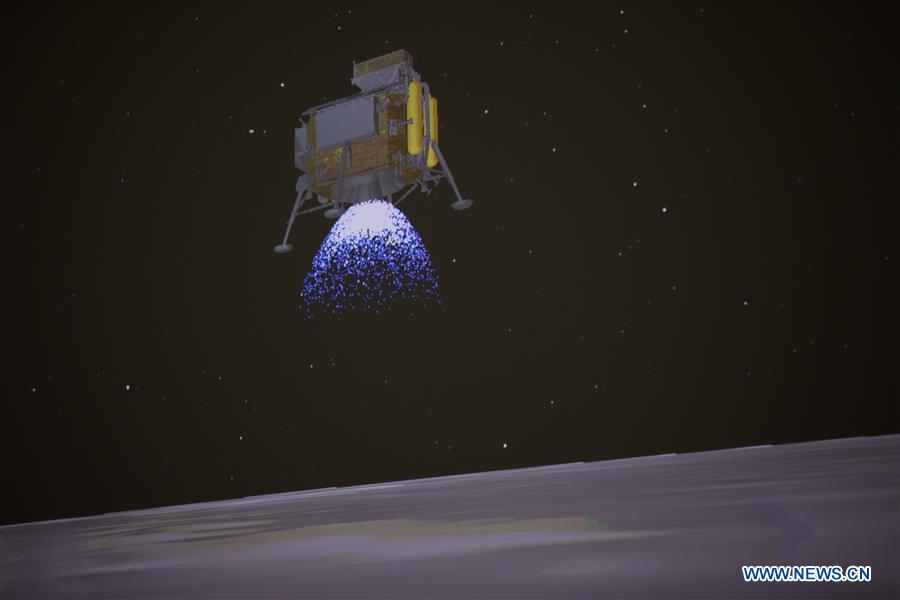
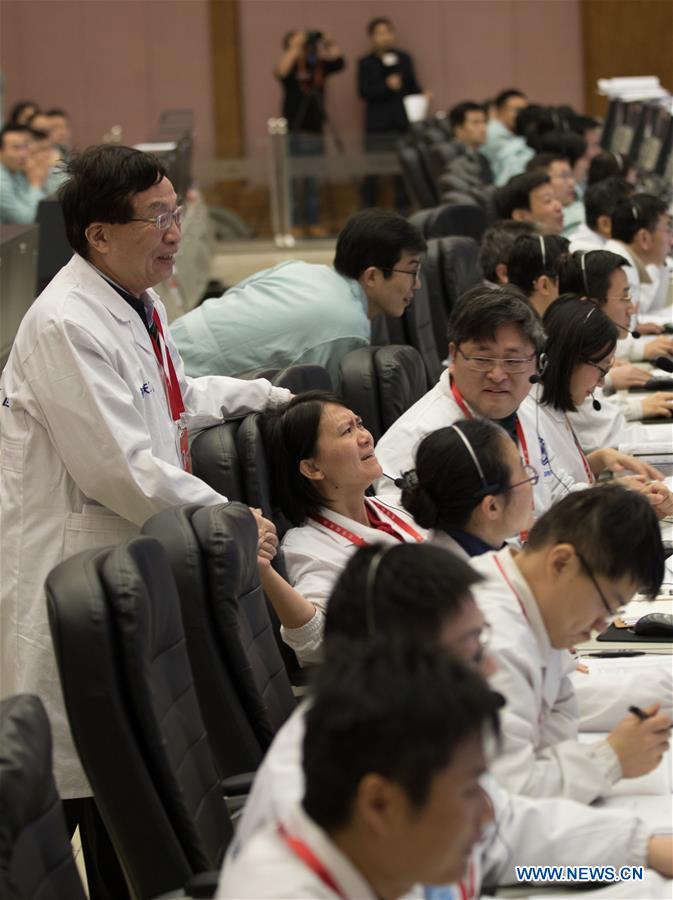
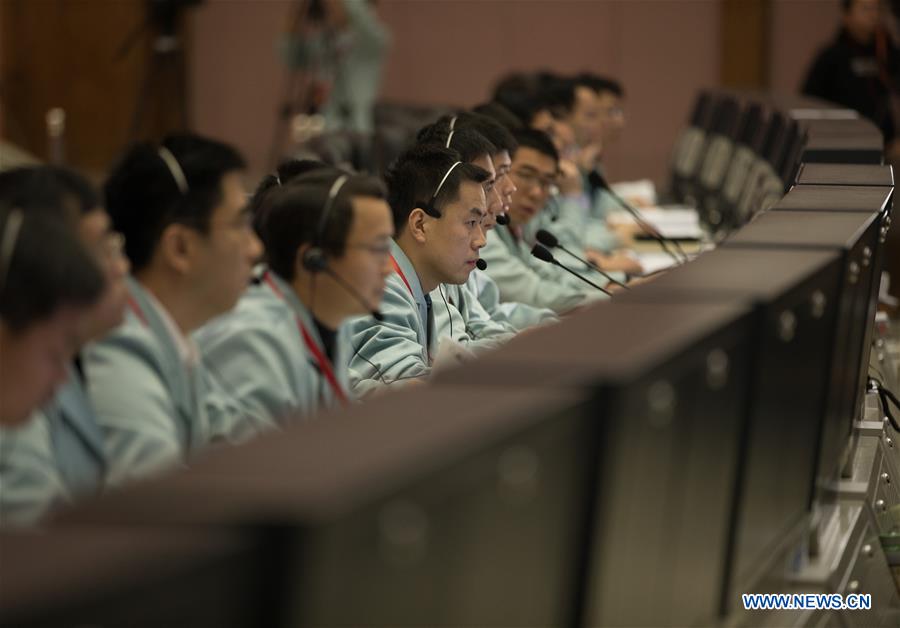
Humankind's lunar exploration history saw the opening of a new chapter on Thursday morning as the world's first explorer of the moon's far side landed at its destination after a 26-day space journey.
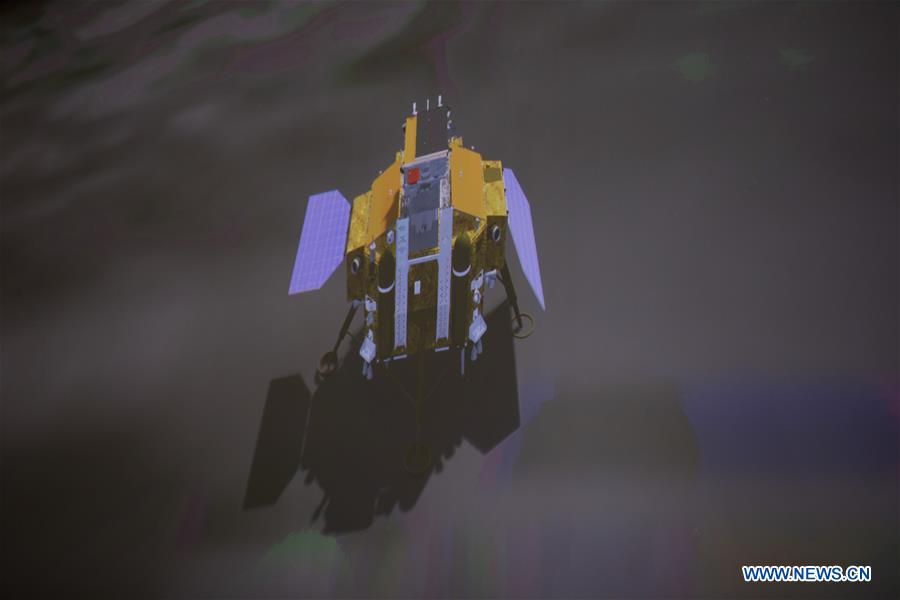
The Chang'e 4 lunar probe, the latest step in China's endeavor to explore the silver sphere, landed at 10:26 on the Von Karman crater in the South Pole-Aitken basin and then sent back a picture of the landing site shot by one of the monitor cameras on the probe's lander, marking the world's first image taken on the moon's far side.
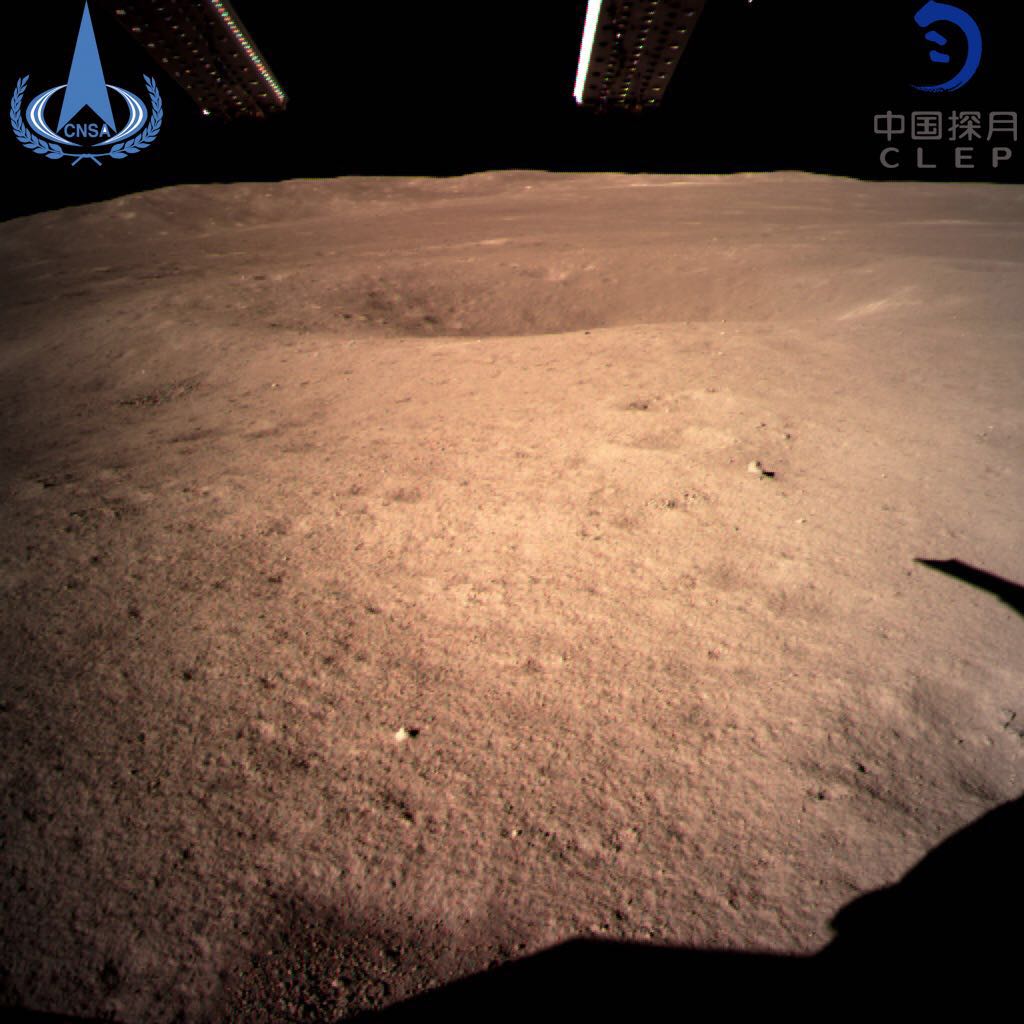
The picture, published by the China National Space Administration, shows the place where Chang'e 4's rover will be heading to roam and survey.
The successful landing formally inaugurated the world's first expedition to the far side that never faces the Earth and is expected to fulfill scientists' long-held aspiration to closely observe the enormous region.
Tidal forces on Earth slow the moon's rotation to the point where the same side always faces Earth. The other side, most of which is never visible from Earth, is the far side of the moon. Though the far side has been extensively photographed by spacecraft, starting with a Soviet probe in 1959, no probe had ever made a soft landing onto it, so scientists around the world had not been able to conduct close observations and surveys of the region for decades.
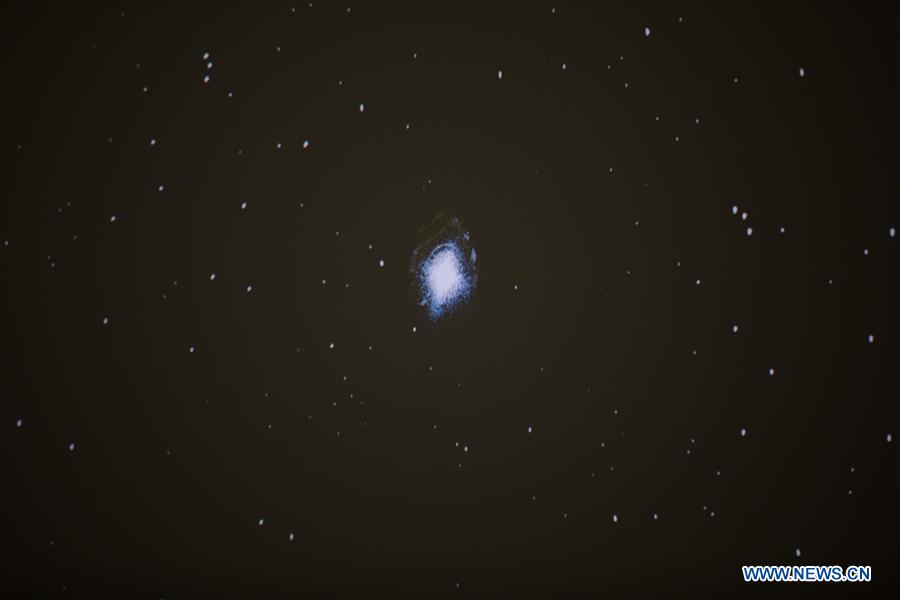
The probe conducted rapid position adjustments when it reached to an altitude 6 to 8 km above the moon. The descent then paused for a while at an altitude of about 100 meters as the spacecraft needed to detect and analyze the inclination as well as possible obstacles at its preset landing site so it could autonomously avoid hazards.
Chang'e 4 was lifted atop a Long March 3B carrier rocket on Dec 8 at the Xichang Satellite Launch Center in southwestern China's Sichuan province.
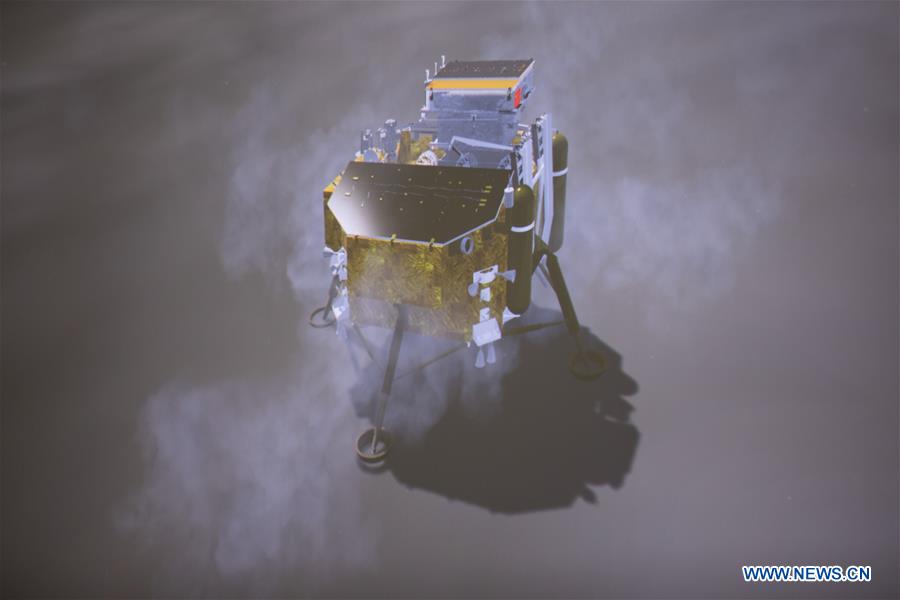
It consists of two parts – a lander and a rover, and the two carry eight mission instruments including two jointly designed by Chinese scientists and their counterparts in Sweden and Germany.
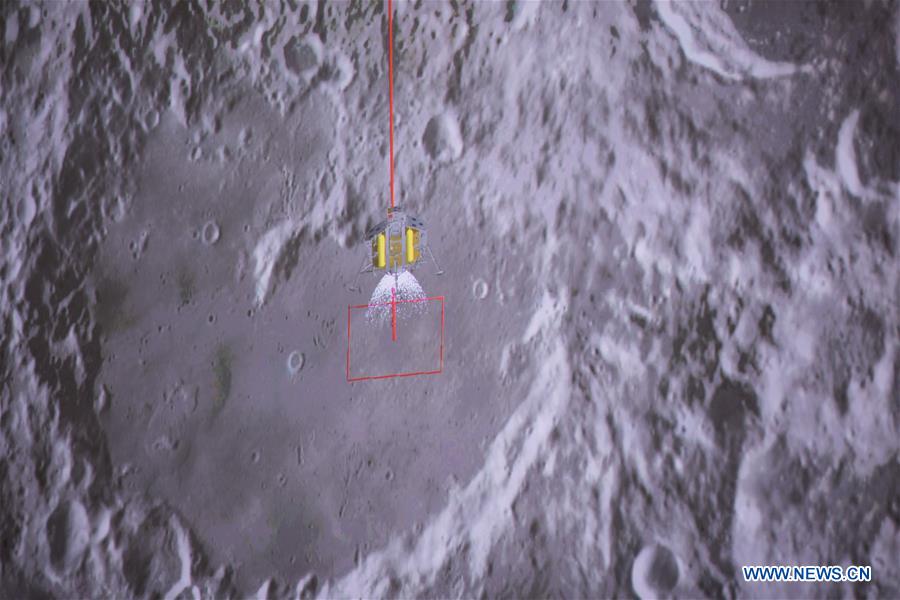
With its investigation into the far side, particularly the Von Karman crater, the Chang'e 4 mission will enable scientists to discover what they haven't known about the moon and deepen their knowledge about the early histories of the satellite and the solar system.
Researchers also can take advantage of the far side's shield against Earth's interference to make clearer observations into deep space, scientists involved in the program expect.
Chang'e 4 is the fourth lunar probe China has launched since the country's lunar program was opened in 2004.
Named after the goddess of the moon in Chinese legends, the first Chang'e spacecraft was launched in October 2007 to verify China's lunar probe technology, obtain lunar images and perform scientific surveys. The Chang'e 2 followed in October 2010 to carry out high-definition imaging of the moon and investigate landing conditions for the Chang'e 3. Chang'e 3, lifted in December 2013, was a milestone in the country's space exploration history because of its status as the first Chinese spacecraft to land on the moon and also the first man-made craft to touch down on the lunar surface in nearly four decades. Chang'e 3 released the first Chinese lunar rover, Yutu, on the moon. Yutu worked there for around 1,000 days.