Dinosaur-era bird fossil found with unlaid egg







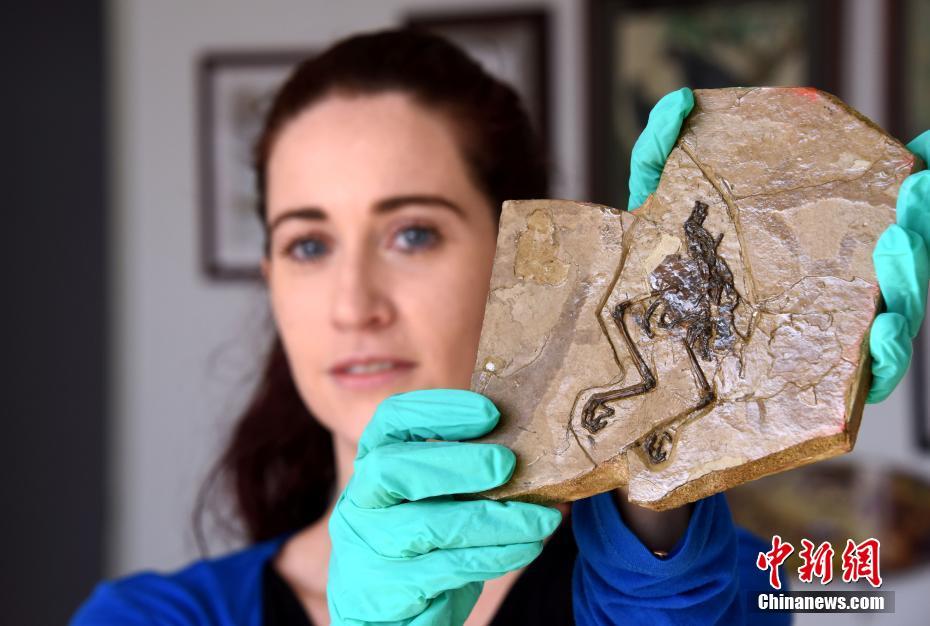
A group of scientists in Gansu province have discovered a fossilized bird dating back about 110 million years and the first ever to have an unlaid egg in its abdomen.
The fossil represents a new species, Avimaia schweitzerae, belonging to a group called the Enantiornithes, which was abundant around the world and coexisted with dinosaurs in the Cretaceous period.
The well preserved fossil was discovered in the city of Yumen.
Because the specimen was crushed flat, it was only after a small fragment was extracted and analyzed under a microscope that the research team at the Chinese Academy of Sciences' Institute of Vertebrate Paleontology and Paleoanthropology realized the unusual tissue was an egg, said Alida Bailleul, the lead author of the article.





- Ex-Gansu vice-governor convicted of bribery, insider trading
- Shenzhen's innovative companies display their latest tech and products to a global audience
- Beijing slams Tokyo's security documents revision plan
- China's central bank signals flexible policy tools to guide financial growth
- New minerals discovered in the world's largest rare earth deposit
- Employers encouraged to enrich workers' cultural, sports, entertainment activities