Ecological civilization: Live green, live better








"Live Green, Live Better," became the overarching theme of Beijing's Horticultural Exhibition, where China's President Xi Jinping made a speech at the opening ceremony. "China's efforts in building ecological civilization have moved into the fast lane," Xi explained.
Ecological civilization is China's massive policy-driven shift toward green energy. The founding document for this policy, Opinions of the Central Committee of the Communist Party of China and the State Council on Accelerating the Construction of Ecological Civilization (Ecological Civilization), was adopted April 25, 2015.
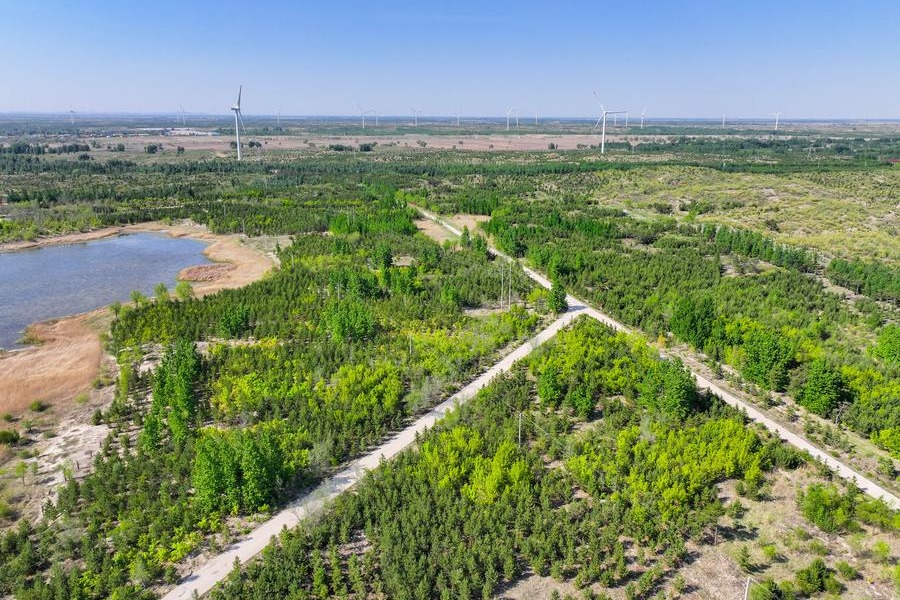
Under the new policy of Ecological Civilization, the trajectory of growth will shift away from polluting industries with a new framework of growth based on renewable and efficient energy systems, water recycling conservation systems, and smart urban planning. New measurements of social success will be introduced emphasizing conservation and thrift through China's media and educational machinery with an emphasis on the values of sustainability, underpinned by massive fiscal support for research and development in clean energy and water conservation technologies as the new employment driver.
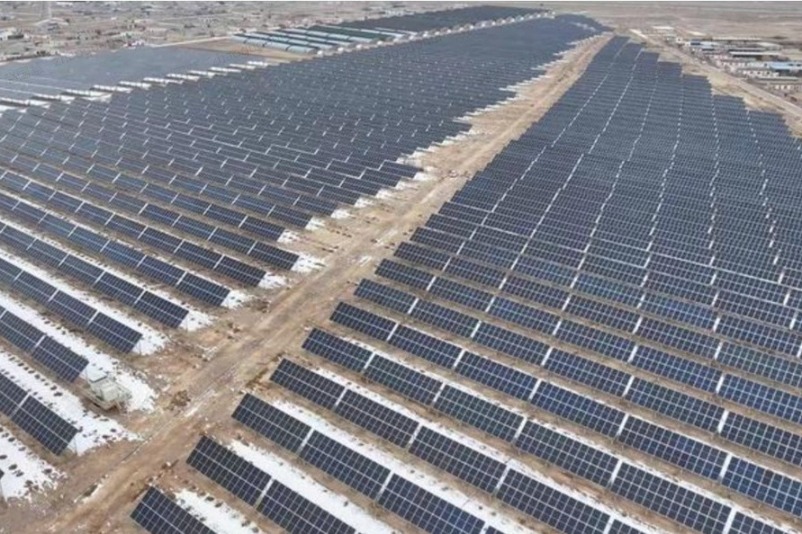
Historically, China's growth and development of the past four decades has benefited from fixed-asset infrastructure investment. While this may continue, the nature of this investment will shift under the ecological civilization policy change. An energy grid conversion from fossil fuels to renewables is underway, requiring new software for existing infrastructure. New urban infrastructure must meet new criteria: smart, green and blue. This includes efficient transport, low carbon, and water conservation and recycling.
These efforts will shift China from its previous reliance on nearly 80 percent coal over the past decades, to massively adopt new energy sources, becoming 80 percent green by 2050. In short, China will become the global driver of green technology and finance for clean energy solutions.
This could give the Belt and Road countries a fresh approach to addressing their own energy needs. The technologies for green energy are being enhanced and scaled in China. This will further bring down costs of green energy for the world. Through the Belt and Road Initiative, these technologies may be cost effective, allowing many countries of the Belt and Road network to adapt green energy earlier in their development. Green energy represents real soft power.
Ecological civilization is being promoted through fiscal and credit policies aiming to drive businesses toward adopting renewable and efficient energy. There should be credit lending to buildings that have renewable or self-sufficient power and water recycling systems. Businesses should be encouraged to manufacture efficient and renewable energy electronic products and such policy could include export credits and rebates. In terms of financing a regridding of the urban infrastructure landscape, China has become the world leader in domestic green bond issues.
Since adopting the Ecological Civilization policy, China's government has green-lined demarcations of conservation areas that should not be developed including river systems and coastlines. Coastline land reclamation has been banned as national policy out of consideration of the effect on ocean and river delta ecosystems. Moreover government regulatory practices for the environment are being closely coordinated. Government departments concerned with the environment have had their functions merged into a mega ministry Environmental Commission that can have coordinating powers, enhancing overall regulation and setting of standards that can then be enforced.
Ecological Civilization will require injecting into the education system values of environment and sustainability to train everyone including lawyers, bankers and financiers, engineers and electricians, and all sector professionals to adopt a holistic approach with their work and prioritize environmental impact considerations. Also popular dissemination of information and standards of environmental care should include values of conservation of water and electricity in education.
In 2015, President Xi stated, "Tackling climate change is a shared mission for mankind," when visiting Le Bourget, France. This is precisely the goal of Ecological Civilization. It will not only benefit China in bringing back blue skies, greener mountains and clearer waters, but help reduce overall carbon emissions for the entire planet.
The author is founding director of Himalayan Consensus and an international research fellow at the Center for China and Globalization.
The opinions expressed here are those of the writer and do not necessarily represent the views of China Daily and China Daily website.