Tourists favor experience-based travel







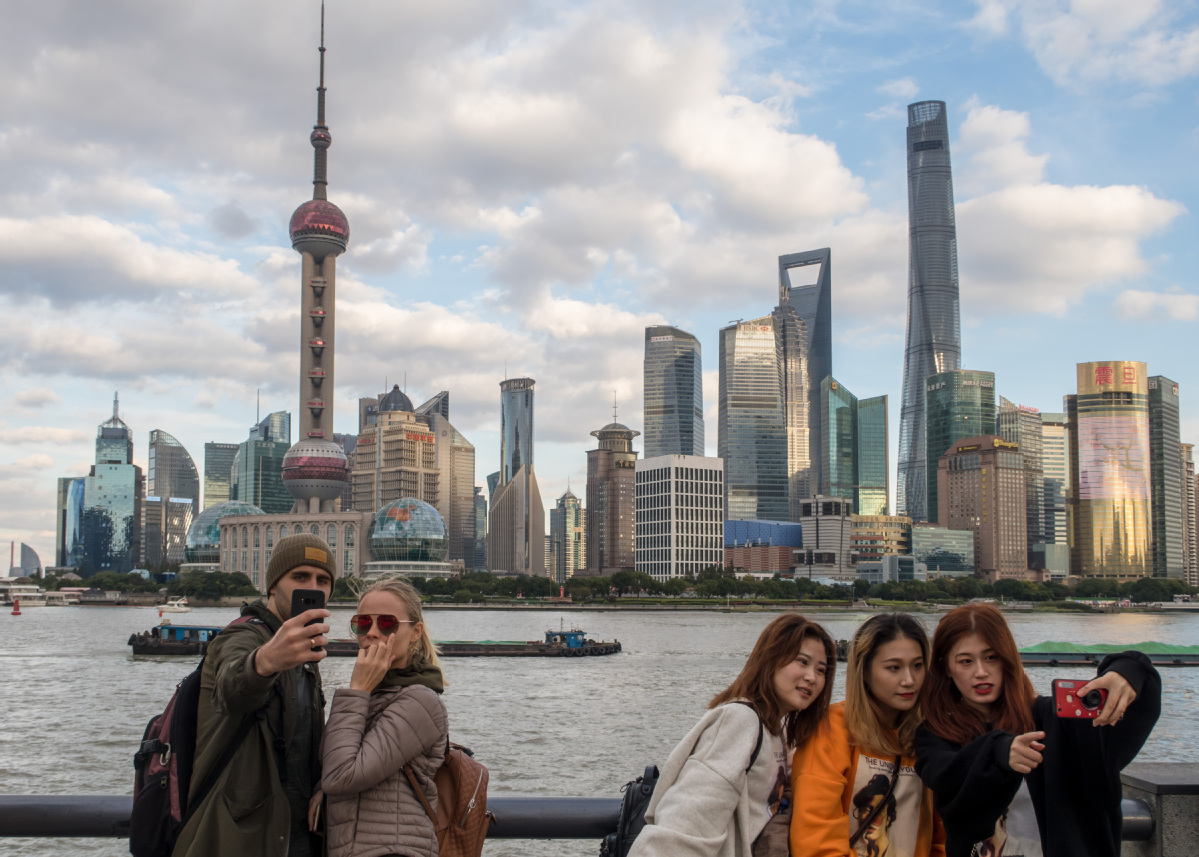
Rather than joining tour groups for shopping and sightseeing, Chinese tourists are looking for unique experiences and new cuisines, according to a seasoned hospitality expert.
In fact, a growing army of travelers seeking novelty, whether embarking on domestic or international trips, are treating hotels as destinations in their own right, said Nils-Arne Schroeder, vice-president for Luxury& Lifestyle at Hilton, Asia-Pacific.
"In Asia Pacific and in China, it (the emerging trend) is about experiencing the hotel," said Schroeder, who also oversees the Hilton's luxury brand Waldorf Astoria in the region. "Luxury is not about shopping. It is about a unique experience that is personalized to you."
His optimism is backed by a joint research carried out by Hilton and consultancy Kantar last year that highlights the changing pattern of Chinese tourists' behavior, notably millennials who are tech savvy and have an impulse to share.
According to the study, 83 percent of respondents are "keen to explore" different local cultures, 82 percent enjoy "self-pampering", 77 percent are "open" to socializing with locals, and 77 percent are "self-expressive" by seeking out new experiences.
Schroeder pointed to the adoption of technology to cater to unique needs. For instance, the hassle of choosing room types, floors, even locations (such as closer to the gym, far away from the elevator), can now be achieved with a few taps on a mobile device through Hilton Honors app, or via local partnerships with WeChat, where the hotel giant runs a mini program that facilitates everything from booking to payment.
According to Schroeder, this leaves guests more time for personalized experiences with the help of a concierge who can tell them the secrets of the city they are visiting, rather than being shackled to simple and redundant logistics tasks.
"We will continue to be absolutely positive about domestic travel in China, given that 11 percent of GDP growth here is related to tourism and the government is pushing ahead with tourism-related projects," he said.
The "me generation" who thrive on being in the limelight, relish opportunities to be visible, including sharing images through social media to express their identities.
"People post on Weibo, on WeChat and Instagram, showing they are proud of their happiness," he said. "And this is a trend where Asia-Pacific is ahead, and China in particular."
This is also in accordance with a related finding by consultancy firm McKinsey, which said trendseekers tend to venture into new territories and follow popular routes on social media such as Douyin or Instagram.
Contrary to the myth that these tourists prefer their own cuisine, Chinese travelers do go to certain destinations specifically to try food. To cater to that need, Schroeder said there are 11 exceptional dining venues offering an incredible selection of unique, immersive experiences at Waldorf Astoria's newly opened resort in the Maldives.
According to hospitality intelligence firm STR, about one quarter of rooms under construction in the Asia-Pacific region belong to the Hilton group, a figure that increases to one-third in China. Waldorf Astoria is on course to open its fourth property in the coastal city of Xiamen in Fujian province this summer.
Another driver is an ever-expanding demographic that is defined as three-generation travel. This refers to travelers seeking more spacious hotels, with an increasing variety of needs, and more leisure time, unplugging from stressful urban life and relaxing with family and friends, Schroeder said.
The proportion of luxury hotels in China could eventually expand to nearly 40 percent from the current 20 percent, thanks to rising disposable incomes and a growing propensity of travelers to find places to stay that fit their personalities, said Chen Xin, an analyst at UBS Securities who specializes in the hospitality industry.
"As income growth outpaces price tags for rooms in five-star hotels, we are seeing the majority of guests shifting from business travelers to leisure travelers in these hotels in China," Chen said.
"That means spending will not just grow but become much more dynamic in sectors that cater to individual pursuits."