Upgrade ahead for Asia-Pacific supply chains







China's rebound, Belt and Road links expected to fortify region against disruptions, experts say
A sound recovery of the Chinese economy, together with the expanding Belt and Road Initiative, will upgrade supply chains in the Asia-Pacific region and make them more resilient in the face of shocks caused by a pandemic or other disruption, according to analysts.
Chinese companies are believed to be playing a key role in updating supply chain management across the region, especially in Southeast Asia, and helping businesses counter the effects of disruptions, they said.
In addition, the robust demand of Chinese consumers unleashed during and after the recent National Day and Mid-Autumn Festival holidays gives hope to farmers, manufacturers, traders, logistic suppliers and bankers who have been restrained for months.
Siriwan Chutikamoltham, a senior lecturer at the Nanyang Business School of Nanyang Technological University in Singapore, said that over the long term, Southeast Asia and China can fortify their supply chains by capitalizing on the trade links fostered by the BRI.
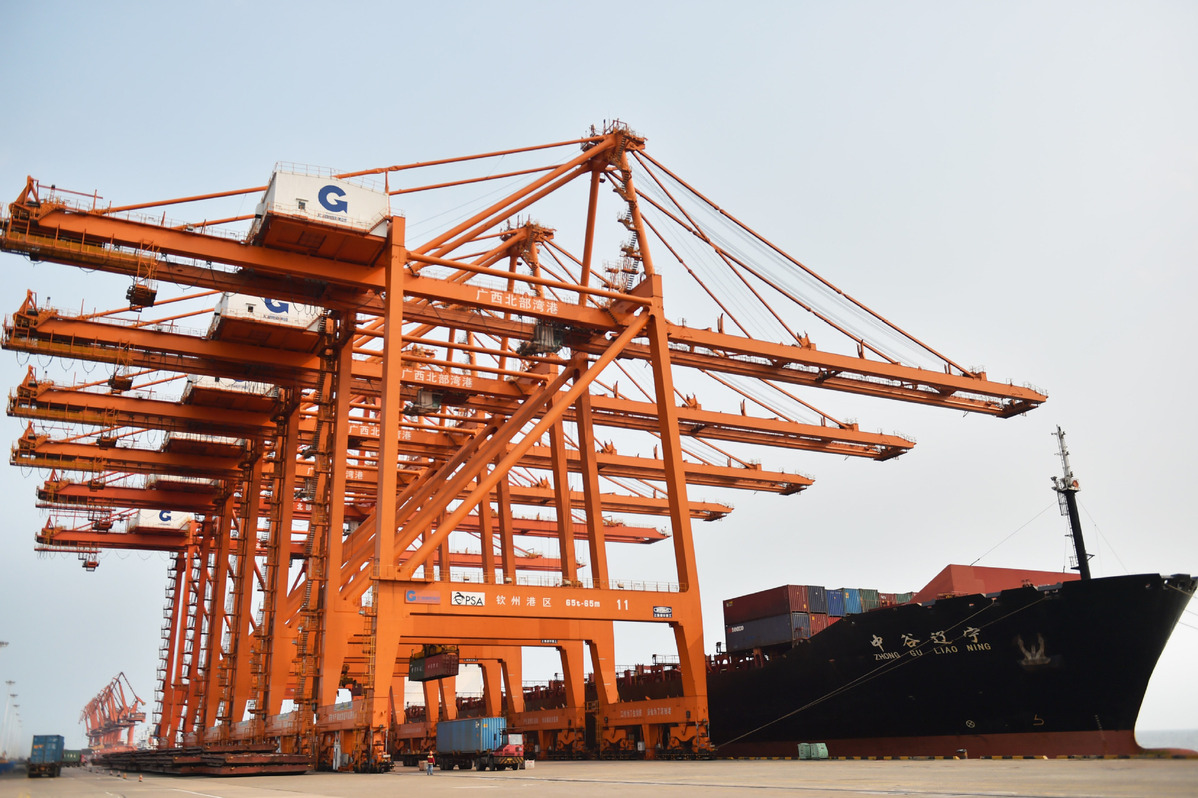
The BRI's maritime route will help link a number of Southeast Asian cities not only to China but also to other parts of Asia, Europe and Africa, Siriwan said. This, in turn, will expand the role of Southeast Asia as a manufacturer and distributor, and raise the profile of China as a key investor.
The BRI's land route, meanwhile, has been shuttling necessities between continents this year during the novel coronavirus pandemic and propping up international trade amid the challenges of COVID-19.
Anne Petterd, head of international commerce and trade for the Asia-Pacific region at the law firm Baker McKenzie, said: "Throughout the pandemic we have seen parts of towns and countries closing down and opening up again. The extent to which manufacturing, the movement of labor, transportation and demand have been disrupted has differed enormously between jurisdictions."
Exploring alternative suppliers to cope with pandemic-related disruptions is just a short-term solution, she said, so over the long term, businesses need to know how to navigate multiple supply chain issues.
Petterd called for digitalization to improve supply chain management, including the use of artificial intelligence and geospatial analytics to identify and analyze potential risks, taking into account a supplier's location.
Countries in the region closed borders and shuttered businesses and public facilities in the first half of the year to keep the coronavirus from spreading. While such measures helped the region to limit the number of COVID-19 infections, they also have disrupted the production and transportation of raw materials and finished goods.
This has been evident in Malaysia, one of the region's key manufacturing centers and its third-biggest economy. For example, Malaysia is one of the world's biggest producers and exporters of medical gloves, an essential item during the pandemic. However, in March, due to lockdowns, the glove manufacturer Top Glove encountered difficulties in shipping its products.
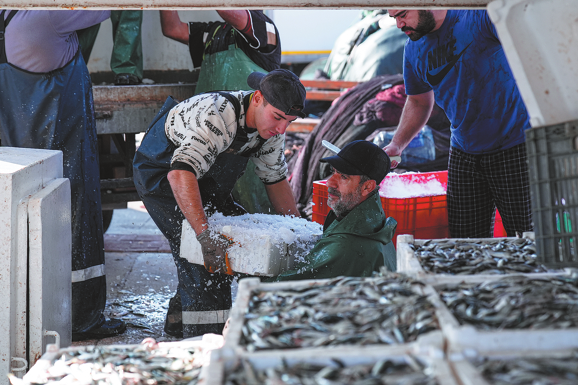
Singapore's decision to close its borders in April meant temporary disruptions for the transportation of food from Malaysia. The city-state imports more than 90 percent of its food, and Malaysia is one of its biggest food suppliers.
The disrupted global supply chain has also pushed Indonesian factory activity to a record low. Bank Indonesia, the country's central bank, said the Prompt Manufacturing Index stood at 28.55 percent in the second quarter, with a reading of below 50 percent indicating a contraction.
Southeast Asian governments have been easing mobility restrictions in the past few weeks, allowing businesses to restart operations. Countries such as Singapore, Malaysia and Cambodia are even allowing the entry of limited numbers of business travelers.
A survey conducted in June by management consultant McKinsey& Co found that 60 percent of manufacturers in the region believe their sector will fully recover within the next six months to a year.
Hitendra Chaturvedi, professor at Arizona State University's W.P.Carey School of Business, said Southeast Asian businesses need a two-pronged strategy to keep their supply chain resilient.
First, a global challenge like the pandemic makes it more urgent for countries to diversify their supply chain links and reduce dependence on any single country.
Second, Southeast Asian businesses also need to have stronger collaboration with their Chinese partners so they can jointly prepare a proper risk mitigation plan for operations between regions.
One of the companies benefiting from supply chain diversification is TCL Technology Group Corp, one of the world's largest makers of consumer electronics. The Guangdong-based company's operations have started to recover in the second quarter, thanks to its "relatively complete global industrial and supply chain", according to Li Dongsheng, the company's founder and chairman.
"A key reason is that we were able to produce locally, sell locally and provide services locally in major markets," Li said in an interview with CGTN.
Michael Taylor, Moody's Asia-Pacific managing director and chief credit officer, said, "Ensuring supply security by enhancing the strength of supply chains will become the overarching objective of governments and companies, overtaking cost and efficiency considerations."