Plant-based beverages with inputs such as oats, soybeans gaining traction







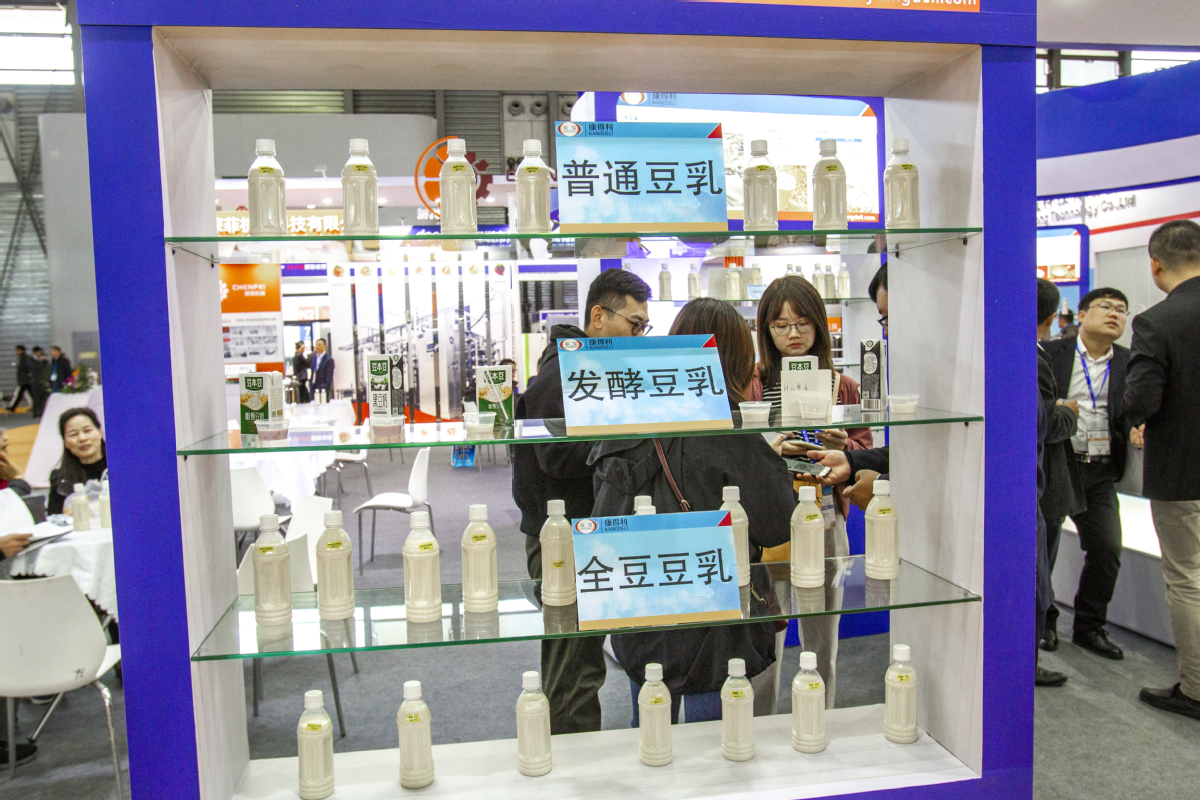
Domestic plant-based dairy beverages have grown quickly in retail channels as local industry players vie to compete with international brands.
At the end of September, Shanghai-based oat milk startup Oakidoki received funding of 10 million yuan ($1.49 million) from Vision Plus Capital, two months after it hit the retail market.
Wang Xin, founder of Oakidoki, said the new funding will be used for marketing, research and development and recruitment.
Their retail products, mostly RTD (ready-to-drink) beverages, include sugar-free oat milk and sugar-free/additive-free oat milk coffee. Currently, its products are distributed on Tmall and Taobao online platforms and via high-end supermarkets including Hema Fresh.
Wang said their online revenue has hit more than 1 million yuan each month since products were launched and numbers are on track to reach its goal of selling 10 million yuan worth of goods on a monthly basis.
In the future, Oakidoki, founded only last year, is expected to unveil more plant-based protein beverages by using almonds, soybeans and rice.
Its research team, currently staffed by 10-possessing either overseas study backgrounds or experience working at multinational firms-aims to create a full range of plant-based milk products.
The firm has also collaborated with boutique coffee chain stores, creating more competition with international top plant-milk producers. "We have been in talks with many cafe leaders as we are stronger in localized supply chains and have knowledge of nuances among Chinese consumers, as well as cost controls," said Wang, who previously worked at a domestic private equity firm.
Jason Yu, general manager of Kantar Worldpanel China, said plant-based products are hot commodities in China, but market education still takes time.
Consumer products linked with sustainability concepts have been found to be very popular among Chinese consumers, Yu said.
However, "how to create added value and overcome longtime perceptions that plant-based milk products should remain low priced is a big challenge", said Yu, especially as previous soybean milk and soybean beverages were often priced quite low domestically.
"So plant-based milk producers' close association with boutique cafes is very effective to drive premium pricing for the brand."
According to data from Syntun, a Beijing-based consumer products big data and solutions provider, in the first half of this year, China's plant-based food and beverage sector grew 158 percent year-on-year to 837 million yuan in online sales revenues. Among this, beverages make up 63.1 percent.
According to the 2020 Plant-based Protein Beverage Innovation Trend released by Tmall, so far this year, the plant-based protein beverage market grew 800 percent from the beginning of the year. The number of people buying such products increased 900 percent. Plant-based drinks have been contributing to 15.5 percent of growth in the beverage market this year.
The report found that consumers exhibit a strong preference for selecting plant-based protein drinks. Oats, nuts and soybeans are top materials used to make the beverages. More fiber and calcium are key incentives for consumers to choose the drinks.
The plant-based protein beverage trend is boosted by lifestyle and consumption upgrades as well as consumer pursuit of sustainable lifestyles.
Oatly, a Swedish firm that specializes in plant-based oat milk, launched its Barista Growth Plan this month in Shanghai to offer a communication platform for coffee professionals with skills and training to elevate their careers. It is part of Oatly's efforts to advocate plantbased milk concepts in the on-site coffee sector.
David Zhang, Oatly's president for Asia region, said the company has worked with baristas to promote healthy and sustainable lifestyles. Working with coffee chain shops in China is a way to get local consumers acquainted with how to consume the environmental-friendly drinks. On-site coffee stores have a similar consumer profile with Oatly. So far Oatly has partnered with more than 10,000 cafes across China.
Oatly recently joined a plant-based protein alliance initiated by Tmall with Vitasoy and Yili Group to promote the progress of plant-based products in China.
The alliance is hoping to facilitate progress through promotional marketing, knowledge sharing and distribution channel building. Starbucks is also introducing oat milk to all its stores in China with Oatly to offer more nondairy choices for customers. Starbucks has offered soy milk in China since 2007.