Pakistan steps into digital future







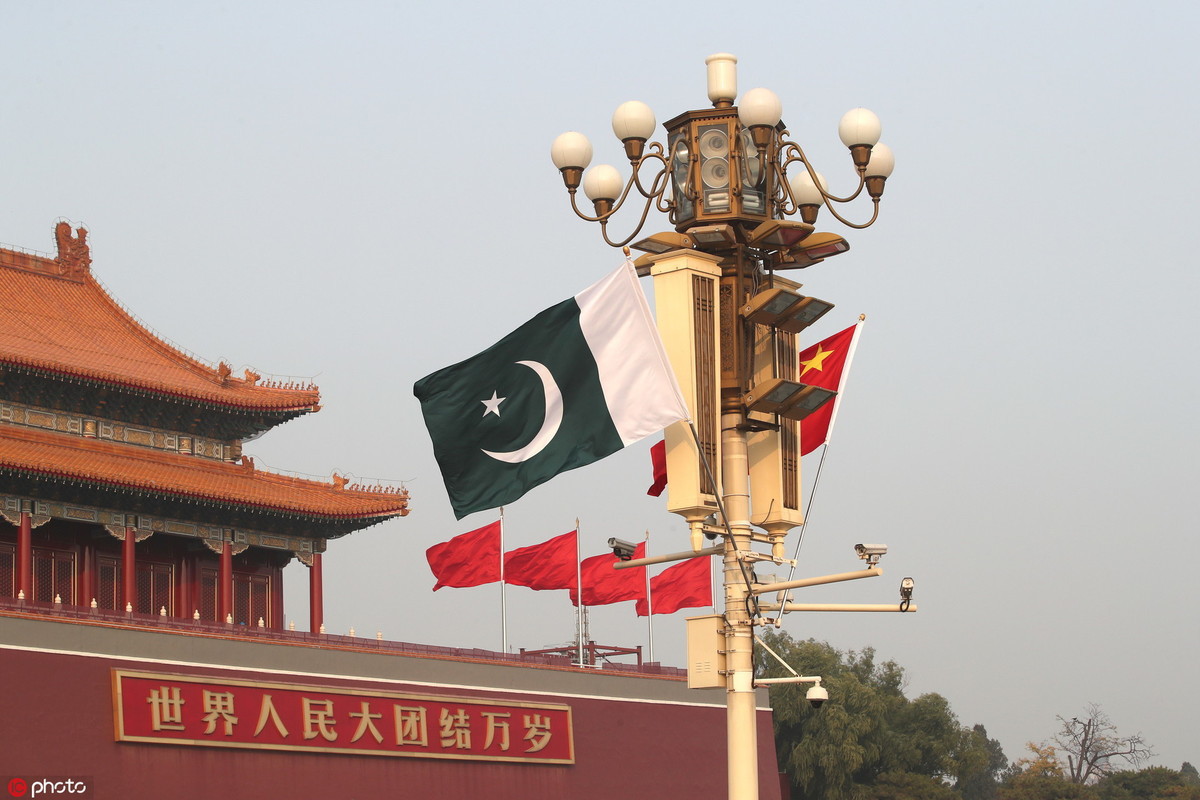
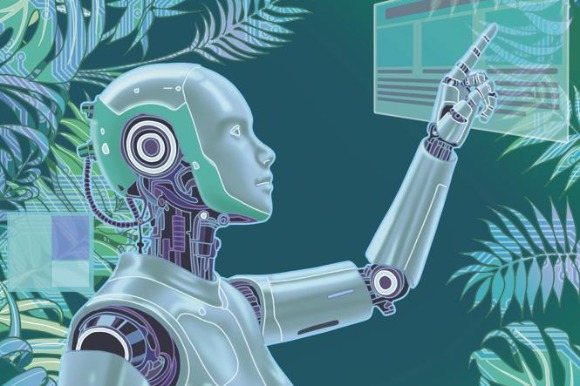
The China-Pakistan relationship and its steadfast nature is perhaps best reflected in Pakistan's vision for a digital future. Pakistan is rapidly becoming a digital-first country, embracing innovation within information and communications technology and laying the foundation of a more prosperous and intelligent society. Technology is powering smarter, more competitive industries, which enables robust and sustainable growth throughout the country. The next step to ensure digitalization continues and is elevated to deliver more value is to invest in developing a new generation of ICT experts who can continue Pakistan's digital journey for many years to come.
Digital Pakistan Vision, launched in 2019, aims to use technology's transformative abilities to improve digital infrastructure, enhance connectivity, promote innovation and encourage technology entrepreneurship. It also considers increasing digital skills investment as a pillar of Pakistan's digitalized future, which will contribute to the ICT ecosystem's holistic growth. Just as it takes a workforce with the right skillset to build a house, creating a digitally driven, intelligent nation requires talented people to be trained in emerging disciplines that will enable them to contribute to Pakistan's future.
During the pandemic period, digitalization must be accelerated and widened in its scope. Due to the highly contagious nature of COVID-19, social distance is obligatory. The best alternative is to move toward digital technology, which does not require in-person human interaction. The whole world is shifting to a more digital life, and Pakistan is ahead of many countries in this regard.
Today, developing an ICT ecosystem is key to realizing the ambitions of the Digital Pakistan Vision. All industries will thrive due to innovative technologies, as our society will become more seamlessly connected, and new sources of efficiency will emerge. Increased digitalization will also create more jobs, especially within the ICT sector – which brings us back to the need for a skilled workforce.
Chinese enterprises have also contributed toward Pakistan’s digital vision. Huawei is a leading mega-company which started its international business in Pakistan, rapidly spread worldwide and attracted a considerable share of the global IT and telecom industry. Huawei is based on intensive R&D, and its innovative culture and ecosystem have turned it into a global giant. Huawei is playing a vital role in the development of Pakistan's IT sector. Although Huawei is a commercial entity, it is also doing its part for social responsibility. It manages a corporate social responsibility office dedicated to the social welfare of Pakistan.
The National University of Science and Technology recognizes the importance of providing a curriculum that meets Pakistan's present and future requirements. In partnership with organizations like Huawei, the university is offering advanced training that enables students to develop their skills in cutting-edge fields such as 5G and artificial intelligence. It also provides them with the knowledge and confidence to express their creativity and use their skills to pioneer new innovations.
Furthermore, partnerships such as the one between NUST and Huawei give students the best of both worlds: exposure to the latest global best practices and world-class education. It helps them bridge the gap between classroom theory and real-world skills.
Pakistan must achieve its digitalized future. Collaboration between academic institutions, private enterprises and the public sector will lay the foundation for a digital Pakistan to become a reality. There is no better time than the present to empower young people with the tools they need to become ICT experts and visionaries.
The author is Prof. Engr. Zamir Ahmed Awan, Sinologist (ex-Diplomat), Editor, Analyst, Non-Resident Fellow of CCG (Center for China and Globalization), National University of Sciences and Technology (NUST), Islamabad, Pakistan.
If you have a specific expertise and would like to contribute to China Daily, please contact us at opinion@chinadaily.com.cn , and comment@chinadaily.com.cn