Renewable energy holds shared potential for China and UAE







This month I had the pleasure of joining the Renewable Energy International Finance and Cutting-Edge Technology Forum in Hefei, East China's Anhui province. There was much to discuss and consider, with this a timely subject with much commonality between China and the UAE.
China is a global leader in renewable energy, and when I fly into Beijing from the UAE, over the Himalayas, I can see wind turbines as on terrain over Central China and towards the capital city.
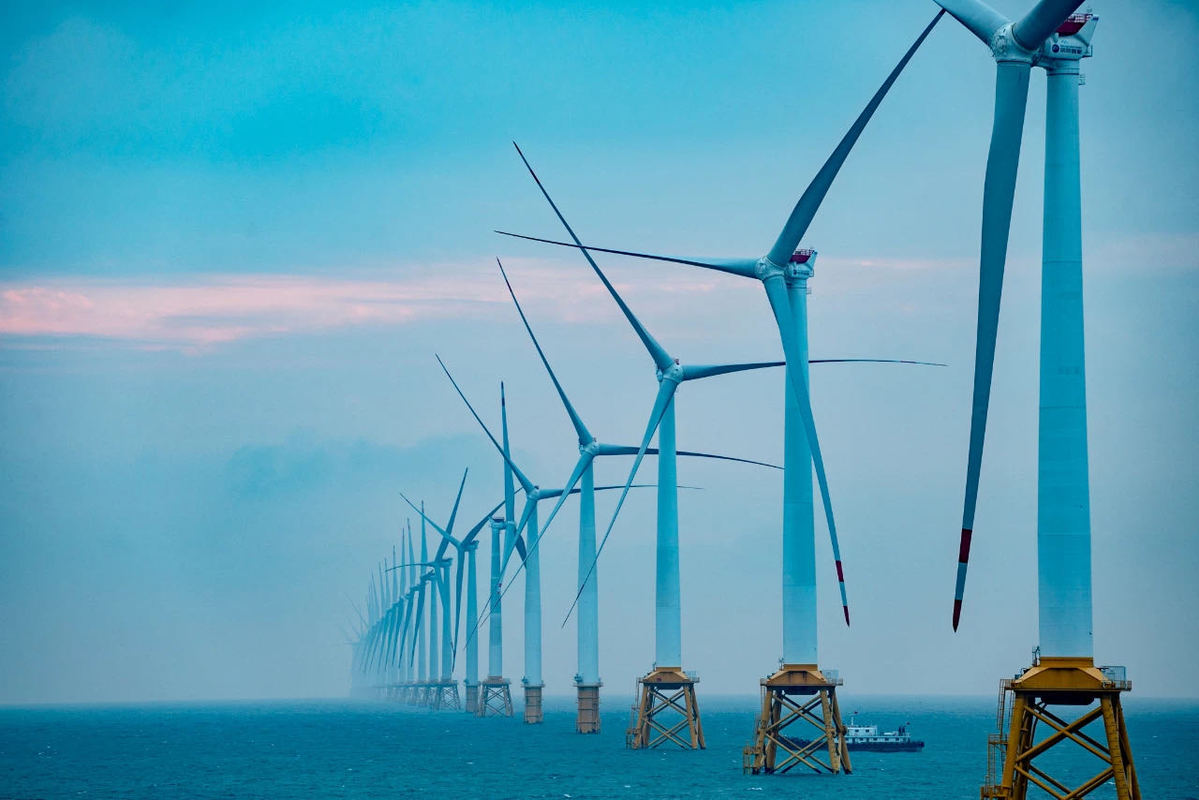
And dotted along the coast up from the South China Sea, to the East China Sea onwards to the Yellow sea are a series of gleaming wind farms, empowering China's green revolution of sustainable energy.
Since reaching the 1-gigawatt milestone in 2017 (enough energy to power 100 million LED home light bulbs), progress has been rampant. China is now the world's leader in new offshore wind installations. By 2030, it is expected to reach 52-gigawatt capacity.
China's recently announced 14th Five-Year Plan incorporates renewable energy and green development. China vowed this year to reach peak CO2 emissions by 2030 and achieve carbon neutrality before 2060. This puts strict requirements on China's energy structure and efficiency, while providing tremendous opportunities for global investment.
Paris Agreement
Renewable energy is a subject of great and increasing importance in the modern era. With the targets in place for the Paris Agreement, it is vital for all nations to prioritize green energy in the interest of creating a better world for our children and our grandchildren.
The Paris Agreement's central aim is to strengthen the global response to the threat of climate change by keeping global temperature rise this century well below 2 degrees Celsius above pre-industrial levels and to pursue efforts to limit the temperature increase even further to 1.5 degrees Celsius.
Each country should do their best to deal with the impacts of climate change, and just like China's positive example, in the UAE too we have aligned our national development in line with our commitment to meet global targets.
The?UAE Energy Strategy 2050?targets an energy mix that combines renewable, nuclear, and clean energy sources to meet the UAE's economic requirements and environmental goals.
The strategy aims to increase the contribution of clean energy in the total energy mix from 25 percent to 50 percent by 2050 and reduce carbon footprint of power generation by 70 percent, thus saving $200 billion by 2050.
In January 2015, the Cabinet of the United Arab Emirates issued a decision to implement the UAE Green Agenda 2015-2030. The Green Agenda resulted from concerted efforts of the federal and local authorities to concretize the UAE Green Growth Strategy.
This agenda aims to advance the nation's ambition to become a global hub and a successful model for the low carbon green economy, to enhance the competitiveness and sustainability of its development and preserve its environment for future generations.
The macroeconomic scenarios examined in the development of the Green Agenda require the investment of 1-2 percent of gross domestic product in greening the economy for the next 15 years.
Leading Solar Investment
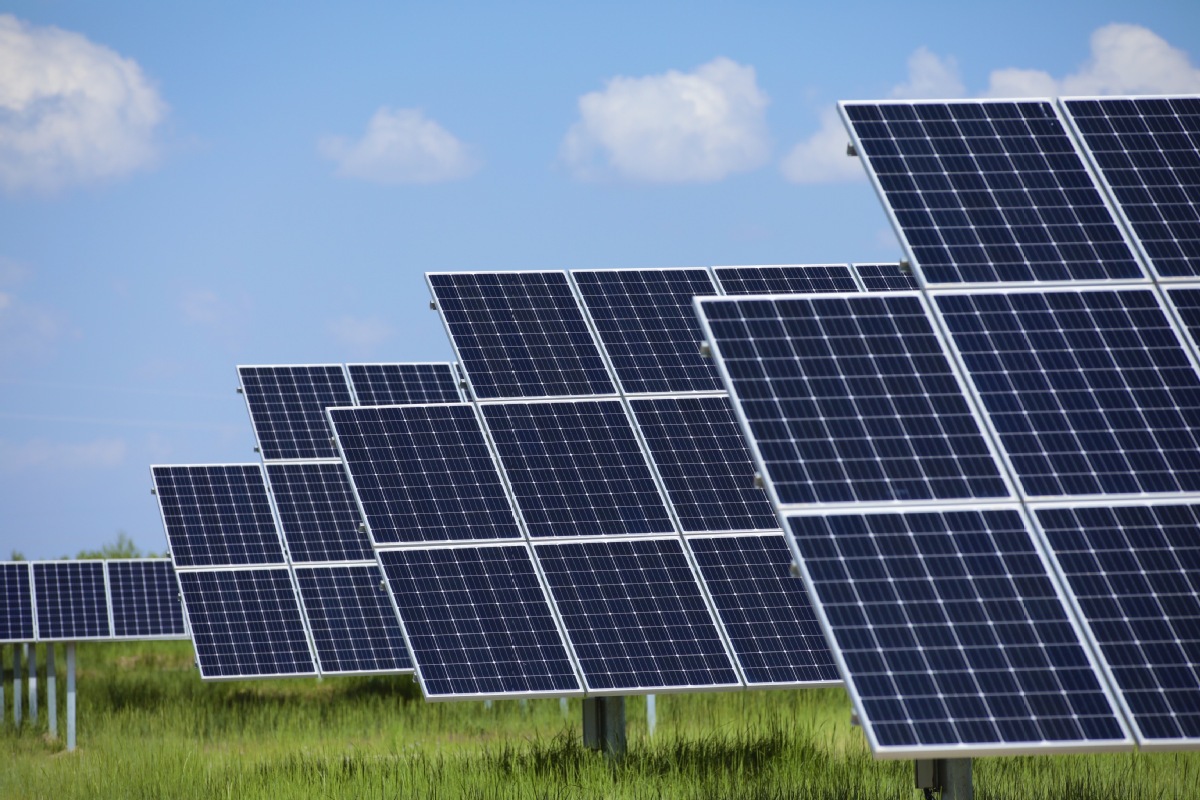
China and the United Arab Emirates are set to be two of the leading solar investment spots in the world and will outperform other markets due to cost reductions and supportive regulatory policies.
Research shows that China will be by far the most important market for global solar growth over the coming decade and by some estimates is forecasted to add a net capacity of about 290GW, which represents nearly 40 percent of global solar installations between 2020 and 2029.
With the UAE focusing a great deal on its own green energy, such as at the Noor Solar Power Plant and the Mohammed bin Rashid Al Maktoum Solar Park with its notable collaboration with Shanghai Electric, there are a great number of bilateral opportunities here in this important sector for the UAE.
There are considerable opportunities for investment here too, meaning that good returns are possible while simultaneously helping to contribute towards a more sustainable world.
A report by the State of Green Finance in the UAE surveyed a cross section from the private banking and investment sectors, finding nearly a quarter have invested in green projects from their assets. So, there is great appetite here from investors.
With China and the UAE leading the world in solar energy, this is a further area where both countries are rising in parallel. As responsible nations moving towards developed status, we can create an example for other nations and move towards a technological advanced and sustainable future.
The author is ambassador of the United Arab Emirates to China. The opinions expressed here are those of the writer and do not necessarily represent the views of China Daily and China Daily website.
If you have a specific expertise and would like to contribute to China Daily, please contact us at opinion@chinadaily.com.cn , and comment@chinadaily.com.cn