Pandemic tells us to expect the unexpected







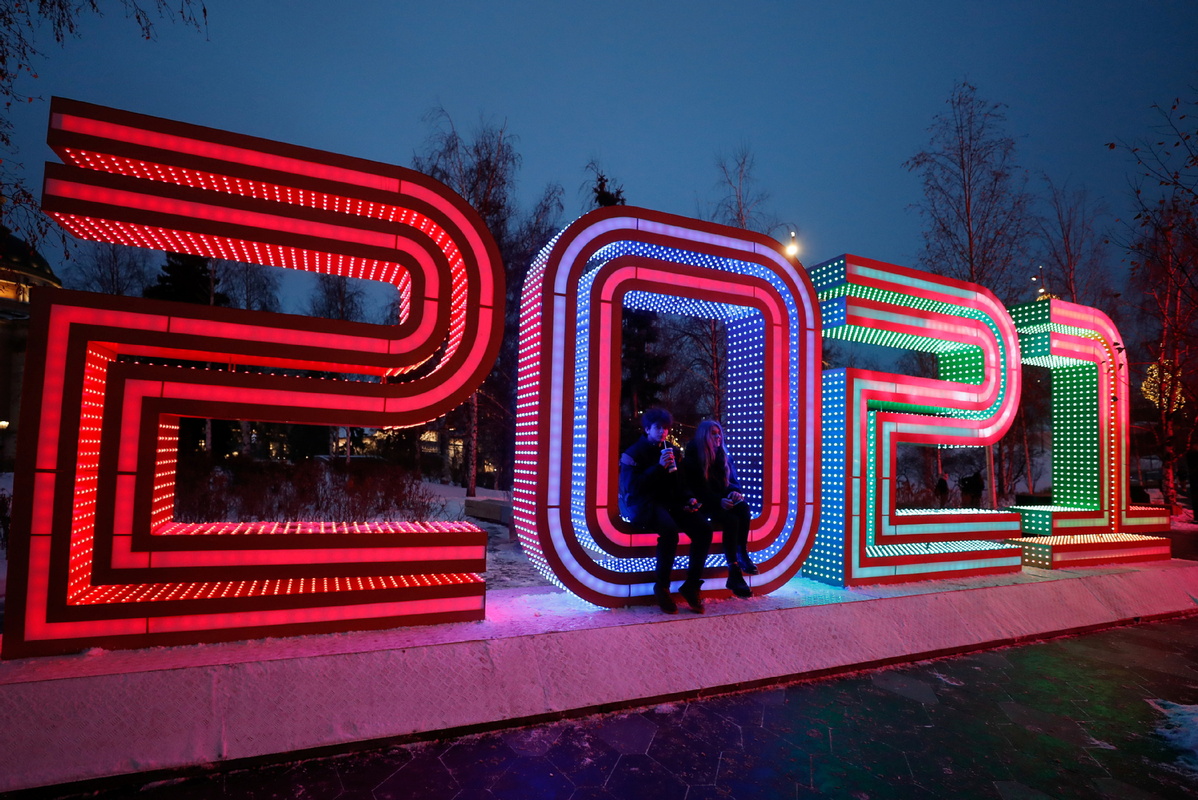
It is the season when commentators and experts make their predictions for the coming year. The events of 2020 would appear to underline the folly of that annual exercise.
Looking back over the last 12 months, it is apparent that the astrologers did no worse than their more rational counterparts.
Hedging their bets, like all successful soothsayers, the stargazers predicted a disruptive year as we approached the long-awaited Age of Aquarius, an era of peace and love that they tell us dawned on Monday.
None of the forecasters, however, warned us of the onset of a pandemic that would threaten every country in the world and create the biggest global crisis in most people's living memory.
True, the 20th century United States self-proclaimed psychic Jeane Dixon had long ago set 2020 as the date of Armageddon. But she had somewhat dented her credibility by earlier predicting that the world would end in 1962.
Even after the first cluster of novel coronavirus cases were reported by Chinese authorities about a year ago, few would have predicted that governments would still be wrestling with the consequences of the outbreak 12 months later.
The World Health Organization, to its credit, warned that the world was spending far more money each year responding to disease outbreaks, natural disasters, and other health emergencies than it did preparing for and preventing them.
"It is not a matter of if another pandemic will strike, but when," the WHO said in January. "And when it strikes, it will spread fast, potentially threatening millions of lives."
Even the WHO, however, did not predict that 2020 would be the long-feared pandemic year and that by the end of it the number of cases of the new disease would have surpassed 75 million, with a death toll of more than 1.7 million.
Many governments, particularly in the West, had parroted similar warnings about the need to be ready for an eventual pandemic at some future and indeterminate date. In reality, some had allowed their preparations to lapse as they responded to short-term economic problems by running down their stocks of equipment and trimming hard-pressed medical services.
The countries that suffered most from the pandemic were also, ironically, among the most prosperous.
The trouble with predictions, whether superficial ones in the daily newspapers or those provided by highly-paid consultants to their investment clients, is that they tend to reflect the concerns of the year ending, rather than the one approaching.
Last year's crop focused heavily on predicting growing fears about the climate crisis, which forecasters described as "ecoanxiety", characterized by feelings of depression, grief, rage, despair, and hopelessness.
Those feelings have been widespread in 2020 as a result of a different kind of threat that turned out to be even more immediate than the climate crisis.
One forecaster foresaw the growth of a new disaster economy in which companies would leverage big data and artificial intelligence to cope with global emergencies. That proved remarkably prescient at the start of a year that highlighted the importance of new technology in responding to the pandemic, whether in the field of medical research, or in communications, as much of the working world moved online.
Undeterred by the failure of past predictions, the forecasters are now forging ahead with their expectations for 2021. Some insist remote working and shopping are here to stay, while others opine that the public will rush back to offices and shops once the pandemic has passed.
Attempting to predict the future is nowhere more lucrative than in the international financial markets, where armies of consultants and statisticians seek to give their clients an investment edge.
Despite current bullish assessments linked to the prospect of a post-pandemic recovery, some are warning of the risks of listening to the so-called experts.
According to New York Times columnist Jeff Summer: "The overwhelming evidence from decades of academic research is that nobody can reliably and accurately forecast what the stock market will do."
The coming year will be no different, he concluded. The lesson of 2020 is, surely, whatever unseen events lie just around the corner, the most important thing is to be prepared for the unexpected.
Harvey Morris is a senior media consultant for China Daily UK.