New 'bounty system' offers incentives for innovation







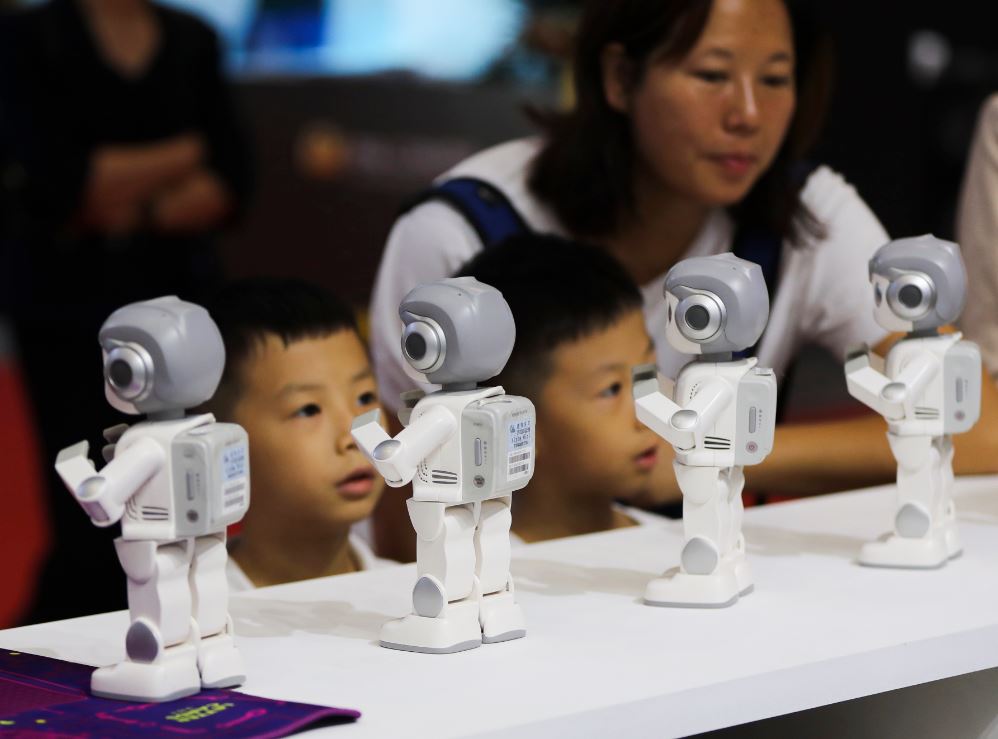
Unlocking China's potential in innovation and enhancing basic research capabilities to serve national needs are key objectives in the proposals for the country's 14th Five-Year Plan (2021-25) for National Economic and Social Development and the Long-Range Objectives Through the Year 2035.
To achieve these goals, one reform highlighted during the two sessions that has the scientific community buzzing is jie bang gua shuai "accepting the bounty and taking charge", a system in which the government unveils a major research objective, and research entities, regardless of their backgrounds, compete to lead the project.
The reform was first proposed by President Xi Jinping in 2016, and pilot programs saw varying degrees of success in terms of achieving its purpose of granting the best scientists the necessary resources to quickly overcome key technological obstacles.
Xie Xin, head of the Department of Resource Allocation and Management of the Ministry of Science and Technology, said at a news conference last month that the mechanism played a crucial role in encouraging numerous institutions and private companies to create vaccines and treatments for COVID-19.
As of last month, China had seven vaccine candidates in phase III clinical trials, four vaccines with conditional approval for market use, and 11 drugs and therapeutic methods included in national treatment guidelines for fighting the disease.
"The core of this reform is to design our research objectives to tightly align with practical and urgent needs in achieving high quality socioeconomic development," Xie said. "This will mobilize research capability from various sectors of society, and bolster our ability to tackle key research topics."
Ji Yongqiang, a member of the Chinese People's Political Consultative Conference National Committee, said the reform allows more young and innovative talent to play a bigger role in the nation's key science projects.
"The new reform breaks away from the traditional system and opens up key research topics and resources to all who are capable," Ji said.
Although this method of promoting research has been widely used in private enterprise, it is still a new model at the national level, he added.






- China urges Philippines to 'mend its ways' over South China Sea provocations
- Key things to know about formulation of recommendations for China's 15th five-year plan
- Hainan striving to be a 'low-carbon island'
- Chinese-German metals company opens innovation center in Shandong province
- Automaker leverages premium audio to ride China's intelligent vehicle wave
- 32,500 houses restored, rebuilt within 10 months after earthquake hits Xizang