Africa must take steps to safeguard food security







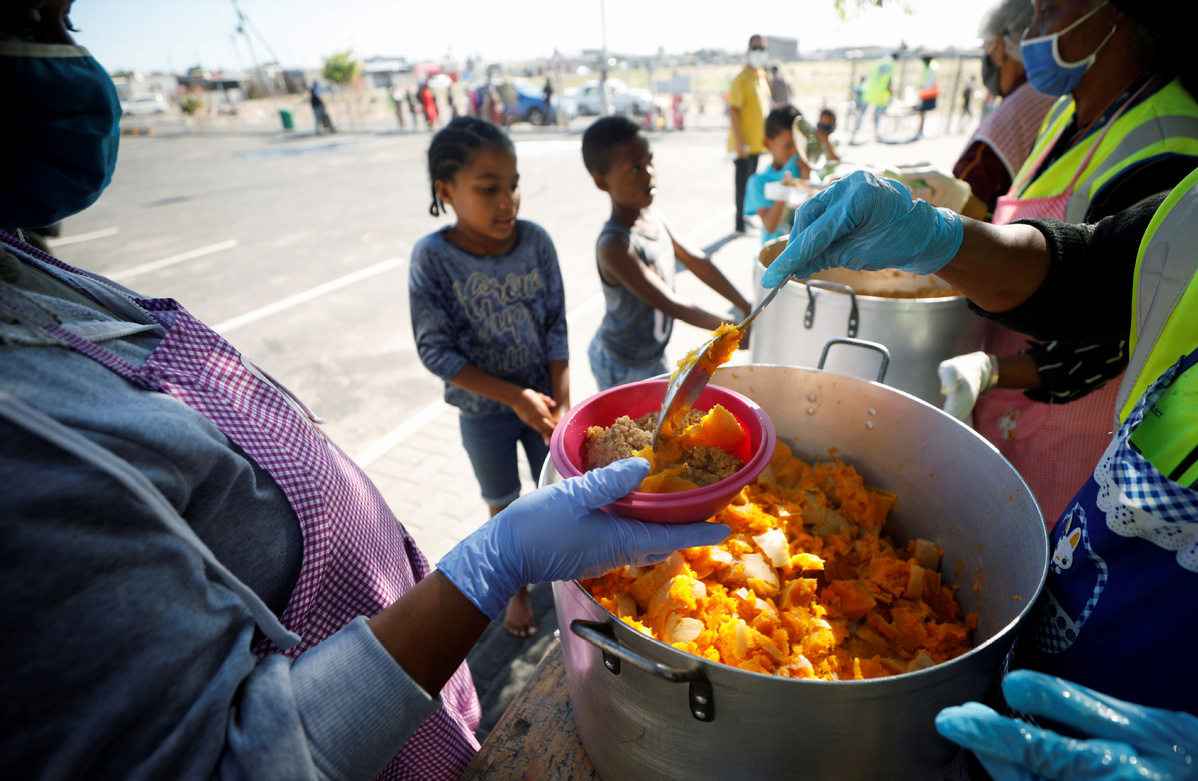
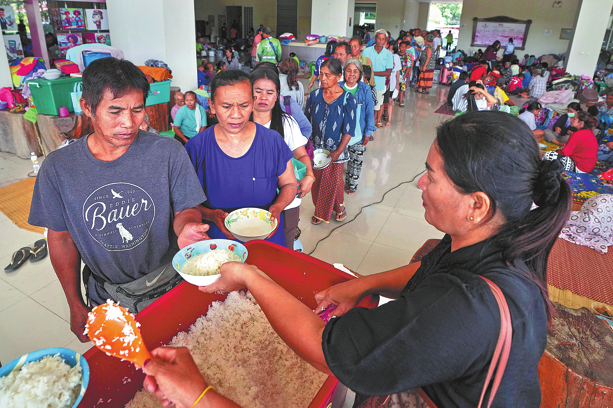
Globally, most countries are still grappling with food insecurity. According to the Food and Agriculture Organization of the United Nations, about 690 million people did not have enough to eat in 2019. By December 2020, more than 250 million people in Africa were faced with severe food insecurity.
In Africa, the situation is exacerbated by extreme weather, ranging from floods and drought, that has disrupted agricultural patterns. Further, the onset of an invasion by desert locusts in 2020 left a trail of destruction. The locust invasion has yet to be contained in most parts of the affected countries in the Horn of Africa.
Other drivers escalating food insufficiency in Africa include prolonged conflicts, which put pressure on constrained economies and disrupt livelihoods. Furthermore, forced displacements and the burden of refugees offset the food systems of affected regions or host countries.
COVID-19 also intensified hunger for the most vulnerable populations. Lockdowns, curfews and border closures significantly disrupted major sectors, notably agricultural supply chains. This affected a sector that accounts for 60 percent of employment in Africa.
In August, the national unemployment rate in Kenya had increased to 10.4 percent, according to a report by the country's National Bureau of Statistics. This situation had a significant impact on low-income earners and brought their food purchasing power to a near halt.
It is expected that the long-term effect will make it difficult for Africa to attain the United Nations' Sustainable Development Goal 2 of zero hunger by 2030.
Therefore, there is a pressing need for the continent's governments to initiate measures to safeguard food security and speed up the recovery of the agricultural sector. This calls for concerted efforts among key stakeholders in the public and private sectors as well as development agencies.
To safeguard Africa's food systems during the pandemic, governments instituted immediate and short-term measures to cushion the most vulnerable populations. These included food packs for targeted low-income households, economic stimulus packages, cash transfers for urban and rural poor, tax relief on income, and review of value-added tax for small and medium-sized enterprises and individual small businesses.
Medium-and long-term actions are needed to build resilience during and beyond the pandemic, and governments should develop early warning mechanisms. This will enhance states' preparedness in dealing with causes of food deficiency.
Governments in Africa must also invest in safety-net protection systems to safeguard their citizens' basic needs in times of pandemics.
On April 16, 2020, African ministers for agriculture, with the support of the African Union Commission, made a declaration on food security and nutrition during the COVID-19 pandemic. Measures were meant to reduce disruptions to the food and agriculture systems and to support the livelihoods and food security of the most vulnerable.
Furthermore, states in the larger East Africa and Horn of Africa region should collaborate to address climate change-related food insecurity. Concerted efforts and vigilance in tackling fresh infestation of desert locusts in parts of the region should be enhanced.
Sustainable measures that the continent can take to protect food systems include increasing productivity by building capacity in the agricultural sector, investing in proper food storage and preservation to cut pre-and post-production wastage, promoting food diversification and including indigenous foods that are more resilient to climate change shocks.
Regional states should enhance collaboration to safeguard food security at the domestic and regional levels. These would include well-coordinated cross-border movements and effective management of COVID-19 restrictions to facilitate the timely passage and delivery of food products.
Countries should remove artificial barriers to regional trade and the agricultural market.
There also is the need to address such drivers of food insecurity as conflicts. Governments in conflict-sensitive situations should collaborate with humanitarian aid and development agencies to ensure that food assistance reaches vulnerable populations, such as refugees and internally displaced people.
Given that food insecurity in Africa compounds existing socioeconomic challenges, the continent must safeguard its food systems through and beyond the crisis.
The author is executive director of the Horn Center for Security Analysis at the Kenya-based Africa Policy Institute. The views do not necessarily reflect those of China Daily.