Fukushima wastewater discharge will pose threat to all







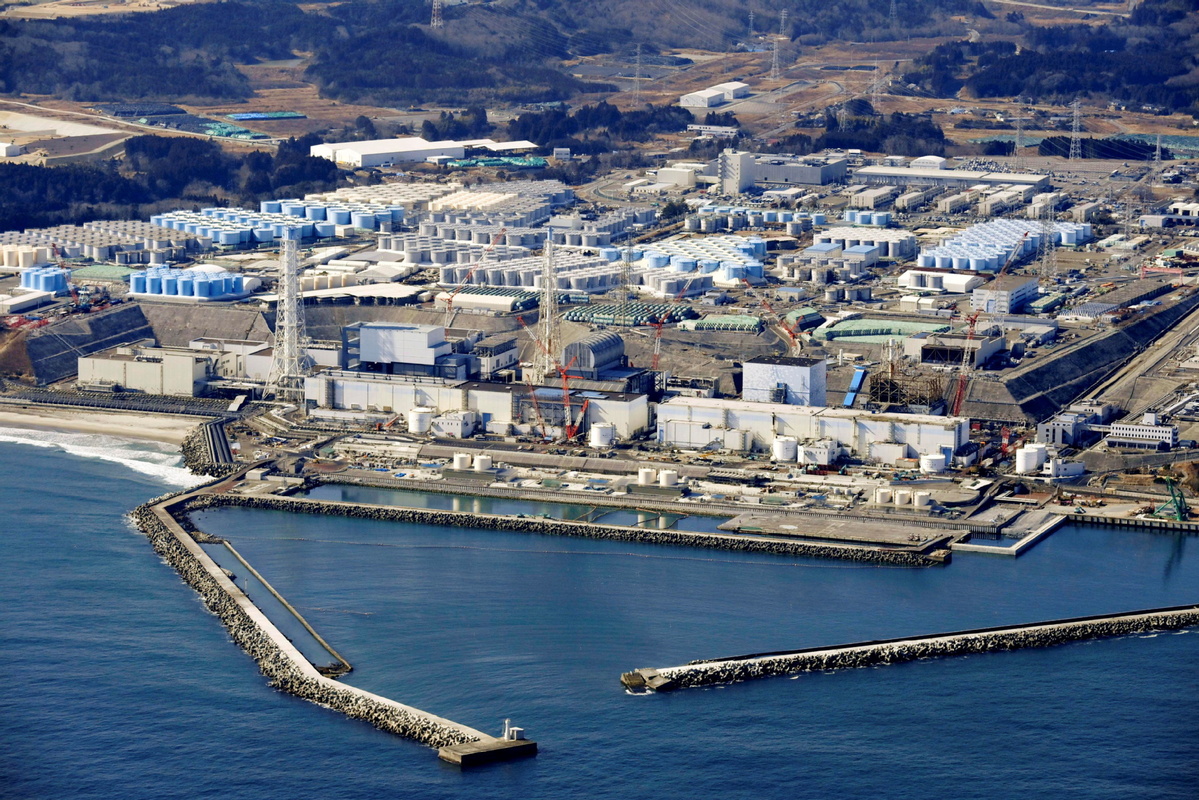
The decision by Japan to release into the sea over 1 million metric tons of contaminated water from the tsunami-crippled Fukushima nuclear power station has come as a surprise to many people inside and outside the country.
Environmentalists have voiced concern that discharging the nuclear wastewater back into the sea poses serious danger to marine life. The water would be released over about 30 years, beginning in two years.
Past scientific studies have also linked radioactive elements contained in the water to public health risks. For instance, tritium, which is hard to remove from the wastewater, multiplies the risk of cancer, birth defects and genetic disorders when ingested. The ill-fated tanks also contain other radioactive contaminants with much affinity for accumulation in seafood.
Because of the complex global interdependence of countries, including food value chains, the decision by Tokyo could easily plunge the whole world into a nuclear-induced public health crisis. This is why neighboring countries such as China and South Korea have already expressed deep concerns over the decision.
Japan's fishing industry is strongly against the move to dump the contaminated water because of past experiences in which the country's sea products were widely boycotted because of toxic elements in the wake of the nuclear disaster in 2011.
Deliberately polluting the Pacific Ocean with radioactive waste also presents a setback to global efforts to reduce the impacts of climate change. Many professional organizations, including Greenpeace Japan, have expressed strong opposition to the decision. In a report detailing the realities of the Fukushima waters, Greenpeace indicates that the water contains dangerous levels of carbon-14, a radioactive substance with the potential to damage human DNA.
Given the interconnectedness of the world's waterways and food systems, the move by Japan could see millions of people in faraway places affected. A report published by a German research organization said that, should Tokyo proceed with the decision, in just five years the radioactive elements will have dispersed to North America.
Such a scenario would shift the problem from the source to the doorstep of the United States, the only country that has so far expressed support for Japan. Developing economies could be in particular danger, with limited technology and resources to cushion themselves from the vagaries of such nuclear releases.
International Atomic Energy Agency Director General Rafael Mariano Grossi has expressed concern over the large amounts of water at the Fukushima plant and said the issue is unique and complex. However, he called Japan's solution "both technically feasible and in line with international practice".
Years of opposition within Japan and beyond have seen the country's authorities postpone the idea of a sea discharge. There is little information that the wastewater has been made safe for release. The urgency to get rid of the nuclear water now appears to be pegged on the diminishing storage capacity at the site, rather than sound and safe levels of contamination of the water contents.
Having failed to convince domestic audiences that the wastewater is safe, Japan faces even a more critical challenge of convincing the international community about the veracity of its information. A key step is to allow international professional bodies access to its data while building global consensus on the entire process.
It is for this reason that the international community should demand that Japan not discharge the toxic waste into the sea before convincing the world about the safety of the involved contaminants. Any unilateral action by Japan without the buy-in, understanding and cooperation of neighboring countries and the nod of the larger global family would amount to nuclear terrorism.
The writer is a researcher of international relations. The views do not necessarily reflect those of China Daily.