Intentions of the West on Xinjiang must be questioned







The Western media have given extraordinary coverage to false news about the Xinjiang Uygur autonomous region of China and mostly blow small incidents out of proportion.
The local Uygur community is being portrayed as a subject of abysmal poverty, acute injustice and grave oppression. Western media have even propagated the notion that Chinese are attempting to change the Quran, the Muslim holy book, despite the fact that original copies of the holy book can be seen in more than 20,000 Xinjiang mosques and other institutions.
Yet the Western fabrications and misinformation about Xinjiang could gain the sympathy of radical groups and organizations, which are indulged in disturbing the region's peace and also having an impact on the Belt and Road Initiative route that passes through Xinjiang to the developing "global south".
These allegations of mistreatment and abuse can easily add fuel to the fire and give radical organizations leverage to increase hostile activities, which is not only contrary to Western counteraction against terrorism within their own borders, but also abuses international principles against extremists and terrorism.
This kind of instigation and false information not only leads to radical activities and insurgencies, but such allegations of human rights abuses are being used as a political weapon against China to augment the Western economic and geopolitical rivalry and agenda.
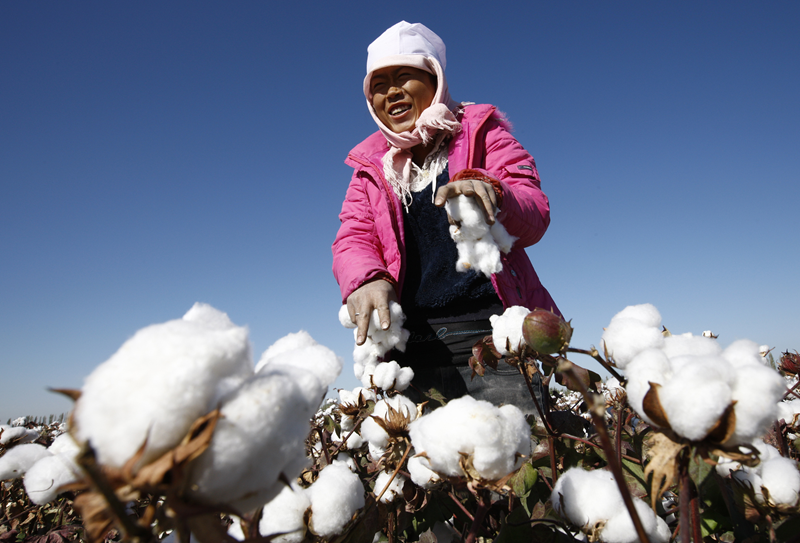
The anti-Chinese rhetoric and biased reporting by the mainstream Western media against Xinjiang cotton are pushing forward the agenda and interests of the United States and other governments to sabotage Beijing's growing position in the world. It has been clearly witnessed that these vested interests are trying to Balkanize China so that they can, supposedly, create civil unrest among its Muslim population, harm unity and cause disruptions within the Belt and Road Initiative regions. Balkanization refers to the division of a state or region into smaller, mutually hostile entities.
Moreover, the hostile rhetoric tends to drive a wedge and create division and hostility between Muslim nations and China. The US especially has been trying to create anti-China sentiment globally using the Xinjiang issue.
Ironically, the United States has a track record in targeting Muslim majority nations worldwide. Rising Islamophobia and prejudice persist in the West. It is not the first time that the US has used a disinformation campaign against a country that has led to the provocation of people and caused instability in the region.
The Western media, via its fierce propaganda, is trying to instigate radical fringe groups in the region and adjacent Muslim-populated areas. While all the allegations are nefariously politicized campaigns against China's increasing influence, the propaganda against the cotton industry in Xinjiang has become an orchestrated attack fueled by Western interests against the rising Chinese economy.
China has alleviated poverty in the Xinjiang Uygur autonomous region and promoted sustainable development, with more than a dozen ethnic groups collectively lifted out of abject poverty by the end of 2020, in line with the national drive to alleviate poverty. The employment level is stable, and a large number of job opportunities have been created by the policies of the Chinese leadership in improving people's livelihoods, including that of millions of Uygurs, whose population has continued to increase-and at a pace much faster than that of ethnic Han people.
According to United Nations trade data, almost two-thirds of the clothing sold in Australian stores is manufactured in China, and about four-fifths of China's cotton is sourced from Xinjiang. In this regard, disengaging and restricting China's cotton supply chains over false allegations and mere propaganda would drive many Uygur people in Xinjiang back to poverty, apart from becoming detrimental to the cotton supply in the international market.
Western countries are blatant in using sanctions and political manipulation at a frantic pace against China. The US, Canada, the United Kingdom and some European Union countries have collaborated to politically manipulate the international community by using Xinjiang and human rights as an excuse to cause harm to the stability of the region and sabotage China's standing in the international community.
The intentions of the West and especially the US need to be questioned. Besides twisting facts about China's Muslims, the US has a history of providing false narratives to engage with foreign countries, like it has done in the past with Cuba, Iraq and Vietnam. In addition, there are hard-line elements in the US government that seek escalation of tension between China, US and the West.
The US government has had a policy of weaponizing human rights concerns against countries such as China, in order to undermine them strategically, while ignoring similar violations committed by its own allies. Judging from past US actions against Muslim states, it is hard to comprehend that the US actually cares about Uygurs in China, rather than being focused on undermining its chief global rival.
The author is executive director of the Islamabad-based Center for Global& Strategic Studies.



- China Coast Guard patrols the territorial waters of the Diaoyu Islands
- Photographer captures record 17 collared falconets in Yunnan
- DPP authorities slammed for hollowing out Taiwan's industrial strengths
- Iraqi vlogger builds cultural bridges in China's Ningxia
- China-Russia joint patrol reflects mutual resolve on regional security
- Rednote ban undermines freedom, harms interests of Taiwan people: mainland spokesman