


A teahouse favorite
Pingtan, an art form traditionally popular in southern China, will be presented in shows in Beijing, Chen Nan reports.







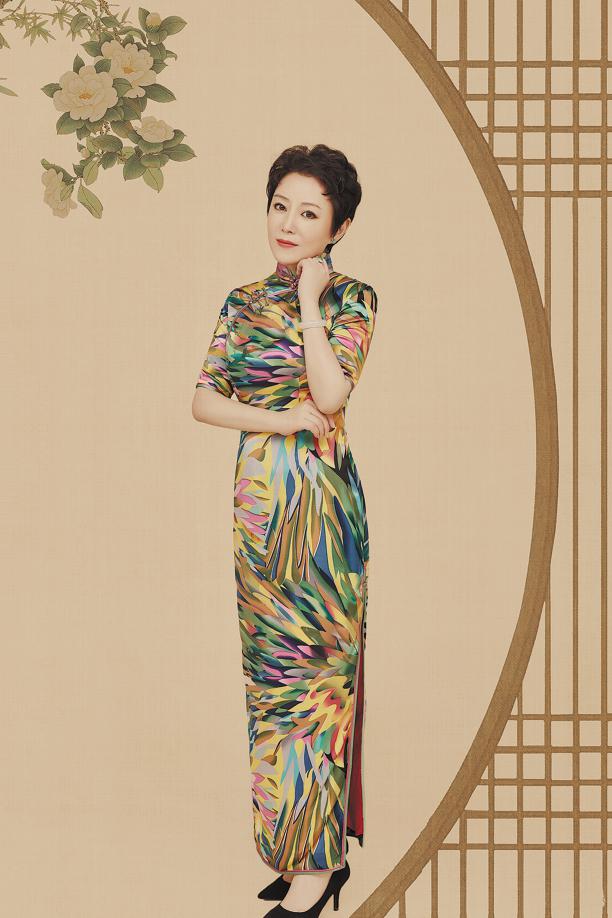
As a child growing up in Suzhou, East China's Jiangsu province, Wu Jing loved to go to teahouses with her parents and grandparents to watch pingtan performances.
"The tasty snacks drew me there," recalls Wu, adding that teahouses in China usually offer audiences a variety of foods, like cakes, candies and sunflower seeds. "It is a happy time for a child."
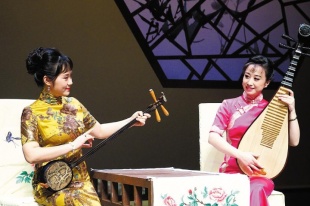
Pingtan originated in Suzhou during the Song Dynasty (960-1279). It usually involves just two performers: one male and one female, who play traditional musical instruments, sanxian (a three-stringed plucked instrument) and pipa (a four-stringed lute), while singing ballads and telling stories of ancient heroes, tragic lovers and other classic Chinese folk tales in the Suzhou dialect at teahouses or small theaters.
Unlike Peking Opera, another major art form with a 200-year history that has high-pitched singing and martial arts, pingtan performers usually sing in softer and more narrative voices. The art form has a stable following in the southern areas of the Yangtze River, such as Shanghai, Suzhou, Hangzhou and Nanjing.
"It's a lifestyle for people in my hometown to watch pingtan performances. There are hundreds of venues in the city where pingtan shows are staged daily. People enjoy it while sipping tea and eating snacks," says Wu, who naturally fell in love with pingtan and later studied at a pingtan school in Suzhou. "When you visit Suzhou as a tourist, you have to watch pingtan performances to make your trip complete."
Now, as the vice-president of Suzhou Pingtan Theater, an established art group in the country, founded in 1951, Wu has been practicing the art form for decades and won numerous national titles. These included the China Quyi Peony Awards, the country's top award for quyi, a general term for folk art forms, including ballad-singing, storytelling, crosstalk and clapper talk.