50 Years of China-US ties







The two must forge a joint front to ensure post-pandemic recovery
February marks the 50th anniversary of former US president Richard Nixon's epochal 1972 visit to Beijing. This historic event marked the first visit by a US leader to China-a country that was then not even diplomatically recognized by the US.
The US records of the first meeting between Nixon and Chairman Mao Zedong show the US president was unusually reverent toward the Chinese leader. Nixon's first visit to China was preceded by two-one secret and one official-visits of former US secretary of state Henry Kissinger, who also accompanied Nixon to Beijing. Kissinger's three visits to China in seven months were to launch him as an iconic global thought leader on diplomacy and virtually the last word on China-US ties. His breaking the ice with China was to be his biggest breakthrough with implications for future world politics.
Thanks to the wave of decolonization, China had begun to receive official recognition from a large number of newly independent nations: 37 by 1960, 57 by 1970 and 67 by the time Kissinger first arrived in Beijing. Indeed, several major powers had also recognized China, including some of the closest allies of the United States: the United Kingdom had recognized the People's Republic of China way back in January 1950 and France extended its recognition in January 1964. It was against this backdrop of China's growing global acceptability that Nixon made the decision to normalize relations with Beijing.
It is interesting to note that the first visit to the US by Chinese leader Deng Xiaoping took place in 1979; only after both sides had extended diplomatic recognition to each other. By then the US had already dispatched president Nixon and president Gerald Ford, national security advisers Kissinger and Zbigniew Brzesinski, secretary of state Cyrus Vance and scores of other US officials to China, revealing the importance the US placed on these ties.
What is puzzling is how the pioneering efforts of three successive presidents-Nixon, Ford and Carter-to normalize China-US ties could be frittered away so precipitously. Today, 50 years down the line, not only most of former Soviet Republics, including the successor state Russia, are seen standing with Beijing, even European allies of the US have built far greater engagement with Beijing while China-US ties have hit their nadir. The list of 57 founding members of China's Asian Infrastructure Investment Bank provides the most apt example of this-all major economies except the US and Japan have joined this initiative.
These 50 years have seen major turns and twists in world politics; especially in the power profiles of the US and China. To begin with, the normalization of China-US ties heralded a new era of global prosperity. China's low-cost labor lured US companies to shift their production lines to China. But China over time was to grow from producing low-cost consumer goods primarily for its domestic market to capturing global markets and building global brands, challenging the primacy of the US in globalization. The US till then had reaped rich dividends from China's unprecedented economic rise. But that rise also led to China's increasing integration into the global economy, making China the world's largest trading nation.
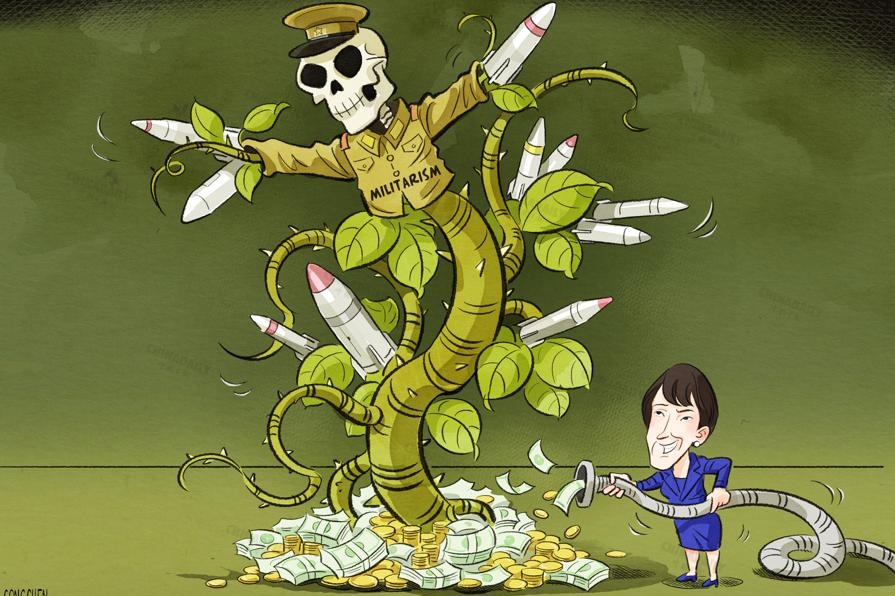
The 2008 Lehman Brothers crash and resultant global economic slowdown have since exacerbated anxieties in the US about its relative decline. This public paranoia was to catapult a businessman Donald Trump to the White House, whose personalized confrontationist policies further eroded the credibility of the US among friends and foes alike. The trade and technology wars the Trump administration launched against China further strained relations. The COVID-19 pandemic over the past two years has increased the pressure on the US economy. As a result, US global leadership, without co-opting China, is untenable. But despite the rhetoric of "America is back", President Biden has failed to step aside from Trump's legacies and he remains preoccupied with containing Moscow and Beijing.
Can the world afford such a dysfunctional relationship between the world's two largest economies that together constitute 41 percent of the global GDP and stand tall among permanent members of the United Nations Security Council?
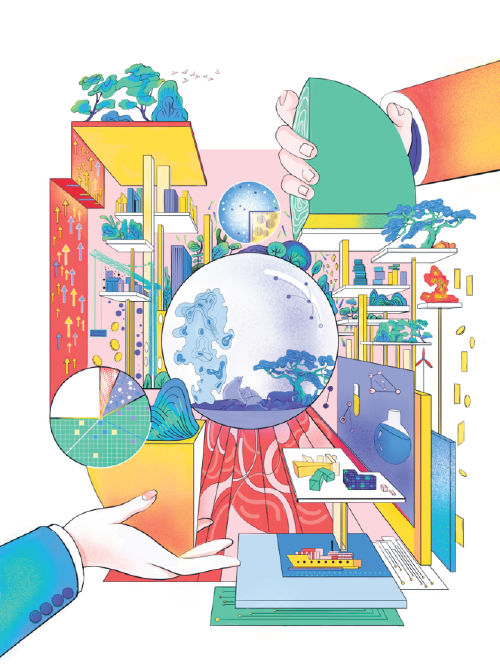
Their nearly trillion-dollar annual trade keeps them tightly intertwined, making a global post-pandemic recovery impossible without the mutual trust and understanding between these two economies. Maybe this is the time that the West finally overcomes its obsession with the Thucydides Trap theory and begins to seek a shared future for mankind by choosing to open a joint front with China to fight against the common challenges of global warming, poverty, terrorism, pollution and the pandemic.
The author is a professor of diplomacy and disarmament at Jawaharlal Nehru University, New Delhi. The author contributed this article to China Watch, a think tank powered by China Daily. The views do not necessarily reflect those of China Daily.
Contact the editor at editor@chinawatch.cn