Ukraine crisis threat to global food security








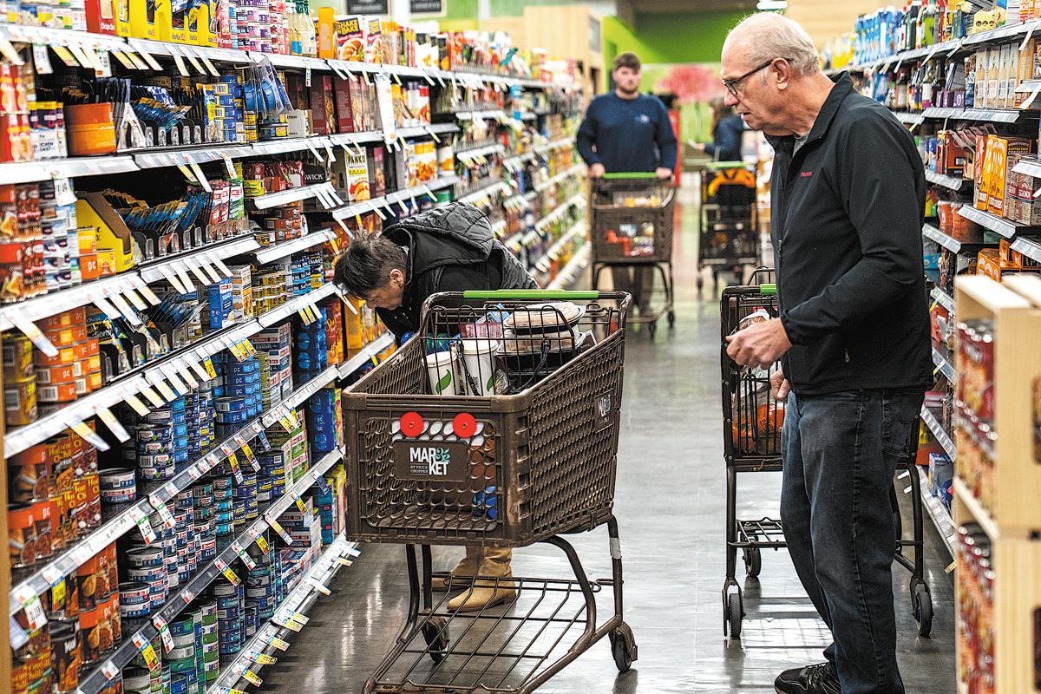
The ongoing Russia-Ukraine conflict has roiled commodity markets and threatens global food security. Thanks to the impacts of the COVID-19 pandemic and other factors, food prices were already high when the Ukraine crisis erupted. And poor harvests in South America, strong global demand and supply chain issues have reduced grain and oilseed inventories, driving prices to their highest levels since 2011-13.
Vegetable oil prices have also reached record levels, reflecting the poor soybean production in South America, reduced palm oil supplies due to harvesting problems in Malaysia, and sharp increase in the use of palm and soybean oil for biodiesel production. Prices of key energy-intensive inputs such as fuels, fertilizers and pesticides, too, have reached near-record levels.
Net-food importing nations to suffer most
The conflict in Ukraine will further affect global markets, due to disruptions in global grain supplies in the short term and natural gas and fertilizers, which in turn will have negative impacts on producers as they enter a new planting season. This could increase the already-high food prices and have serious consequences for low-income, net-food importing countries, many of which are seeing an increase in malnourishment rates over the past years due to the pandemic-induced disruptions in food supply and rising prices.
Over the past 30 years, the Black Sea region has emerged as an important global channel for grain, oilseed and vegetable oil supplies. In the early 1990s, following the disintegration of the Soviet Union, the region was a net importer of grains.
Today, Russian and Ukrainian exports account for about 12 percent of the total calories traded in the world, and the two countries are among the top five global exporters of many important cereals and oilseeds, including wheat, barley, sunflower and corn. Ukraine is also the largest exporter of sunflower seed oil, accounting for about 50 percent of the global market.
Many countries are highly dependent on the import of such products from Ukraine and Russia. For example, North Africa and the Middle East import about 60 percent of their cereal needs and a large percentage, between 40 percent to 50 percent, of their wheat and barley from Ukraine and Russia. Ukraine is also an important supplier of corn to the European Union and China, and several North African countries including Egypt and Libya.
Grain, oilseed exports likely to be disrupted
Most of the wheat and barley crops are harvested in the summer and exported during the fall, and the export of much of the wheat and barley occurs by late February. But Ukraine's corn and sunflowerseed oil exports remain heavy through the spring into early summer, and most of its grain and oilseed exports flow out of Odessa and other ports on the western shore of the Black Sea. Unfortunately, Russia has blockaded de facto Ukrainian ports since mid-February.
However, disruptions are looking increasingly likely as the military conflict has intensified, forcing shipping to be suspended and threatening the upcoming wheat harvest and spring plantings in Ukraine.
Besides, the countermeasures taken by the United States, the European Union and other economies against Russia could have a huge impact on the latter's natural gas and fertilizer exports. And since Russian natural gas accounts for about 20 percent of the global trade and Russia supplies about 40 percent of the EU's current imports, Western sanctions against Moscow could disrupt energy trade and drive up natural gas prices to even higher levels.
True, European importers could switch to other suppliers such as the US, but logistical issues-the US exports liquefied natural gas-will add to the costs without providing any significant relief, at least in the short term.
Fertilizer prices, too, could surge because Russia is an important supplier of nitrogenous and potash fertilizers-it accounts for 15 percent of the global trade in nitrogenous fertilizers and 17 percent in potash fertilizers-and Belarus which accounts for an additional 16 percent of the global market share of potash exports has already been targeted by some Western sanctions for actions taken by Belarusian authorities against a commercial airline in 2021.
Rising fertilizer prices may reduce food output
The international fertilizer markets have been reeling from the impact of record high prices, so further shortages will have global implications, particularly for developing countries where rising prices could significantly reduce fertilizer use, leading to poor local harvests at a time of shrinking global stocks and record high food prices.
Since the conflict poses a serious threat to global food security, governments and international organizations have to take a range of measures to overcome that.
The situations in the international markets are very fluid, but of immediate concern is the vulnerability of net food-importing countries which are highly dependent on Ukraine for supplies, such as those in the Middle East and North Africa. So the global efforts to restore peace should also include taking measures to better safeguard global food security, which means ensuring that the sanctions against Russia do not impact third-party countries dependent on Russian exports.
And to the extent possible, food and fertilizer exports should be allowed to continue unimpeded, failing which mitigation packages should be provided for the affected third-party countries. Imposing sanctions on those sectors will only exacerbate the global food shortage and mainly penalize populations that are already food insecure.
Protectionist policies won't help countries
Also, given the skyrocketing agricultural prices, some countries could seek to insulate domestic producers by restricting exports. Such moves should be avoided. As we saw in 2007-08 and 2010-11, such beggar-thy-neighbor policies can have harmful effects on importing countries, particularly the most vulnerable. So the sanctions aimed at penalizing a country for breaking international law as well as the export restrictions introduced to protect domestic consumers have to be designed in such a way that they safeguard global food security and protect third-party countries from further harm.
Finally, the reliance of so many countries on Russian oil and gas will trigger important policy debates, and calls for greater energy sovereignty and diversification.
But policies that call for ramping up production of biofuels should be viewed with skepticism. Redirecting food crops (corn, wheat, oilseeds) to non-food uses around the world, from the EU to Indonesia, is already generating significant tensions in food and fertilizer markets. A holistic approach to food and energy security is critical to ensuring that food and nutrition remain a priority for the international community.
Joseph Glauber and David Laborde are senior research fellows at the Markets, Trade, and Institutions Division of the International Food Policy Research Institute.
The views don't necessarily reflect those of China Daily
If you have a specific expertise, or would like to share your thought about our stories, then send us your writings at opinion@chinadaily.com.cn, and comment@chinadaily.com.cn.