Wellness products on holiday shopping lists
Younger, fitness-conscious consumers particularly fond of vitamins, dietary aid goods







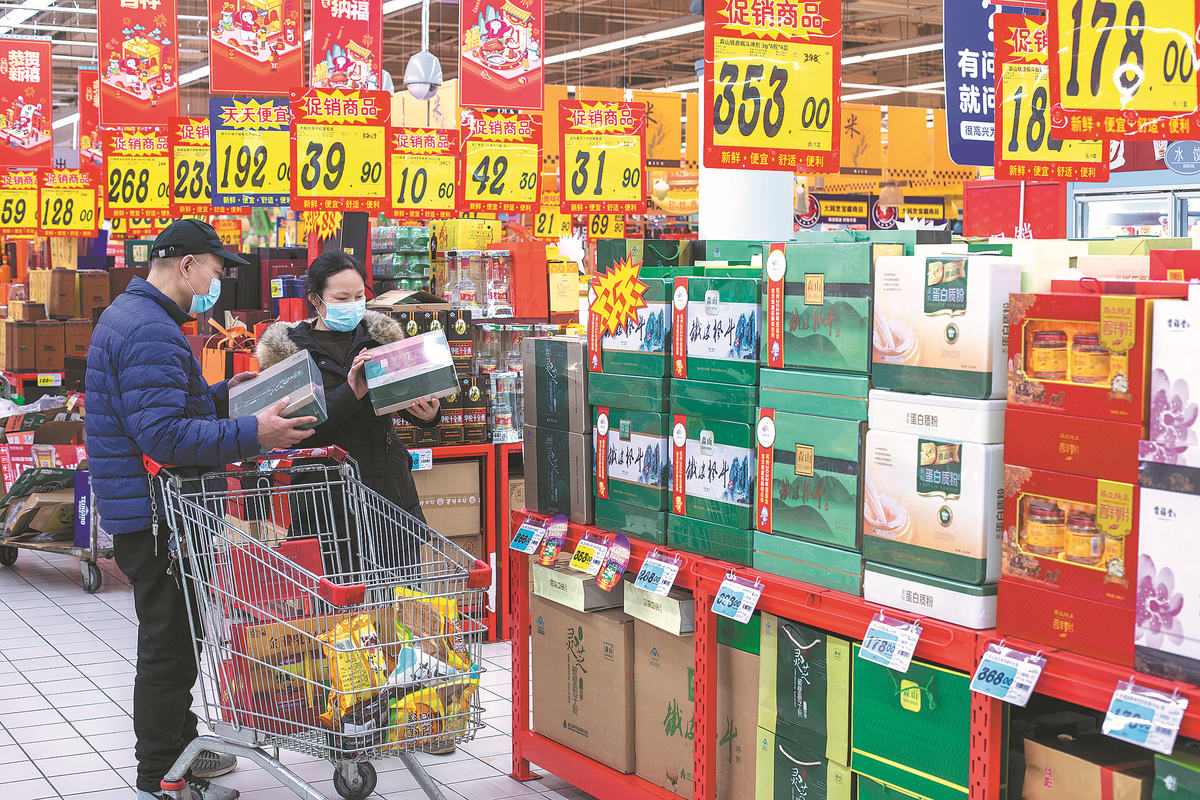
While most consumers were busy filling their virtual carts with trendy items, electronics and skincare products during the "Double 11"online shopping festival, which ran from late October to mid-November, Zhang Qifeng, a 29-year-old resident of Beijing, took a different approach, prioritizing his well-being above all else.
Zhang's shopping haul included a variety of vitamins, such as vitamin C for immune support, vitamin D for bone health and B-complex vitamins for energy metabolism, as well as dietary supplements like protein powder for muscle recovery, omega-3 capsules for heart health and probiotics for gut health.
Believing that investing in his health was the best way to take advantage of the discounts and promotions offered during the annual shopping extravaganza, Zhang spent hours scouring various online platforms and healthcare stores, comparing prices and reading product reviews.
Zhang represents a rising wave of younger consumers who are now proactively seeking ways to nourish their bodies and improve health and wellness. This growing trend stems from their heightened understanding of the advantages associated with a balanced and nutrient-rich diet, coupled with a desire to bridge nutritional gaps caused by hectic lifestyles and dietary restrictions.
In 2023, healthcare products emerged as the third most popular consumer category among Chinese youth aged 18 to 35, often referred to as Gen Z, trailing only tourism services and tech gadgetry, said a survey jointly conducted in May by the National Bureau of Statistics, China Post and China Central Television.
In particular, the COVID-19 pandemic has enhanced public awareness of the importance of a robust immune system. Vitamins and supplements, known for their potential to support immune functionality, gained traction as people sought to bolster their body's natural defenses, Zhang said.
Nearly half of the Generation Z population incorporates dietary supplements and vitamins into their daily routines, which are often sought after as a convenient and accessible means to bridge potential nutritional gaps, according to an online survey conducted in March by KuRun Data.
In particular, the younger generation seeks healthcare supplements that cater to their specific needs, whether it's addressing vitamin deficiencies, supporting gut health or enhancing cognitive function, said Tang Zhengye, consulting partner of Deloitte China Life Sciences & Health Care.
More than half of China's post-1990 generation face challenges related to hair loss and vision problems, according to a report by CBN Data, a Shanghai-based consultancy, which also revealed that approximately 40 percent of this demographic struggle with obesity and declining physical fitness while 30 percent complain of weakened immunity.
The market has responded by offering a wide range of products designed to target various health concerns, allowing health-conscious customers to select supplements that align with their goals and provide them with the desired benefits, Tang said.
Moreover, vegan-friendly supplements, gluten-free options and products suitable for individuals with specific dietary restrictions are becoming more readily available, he added.
To provide customers with a more personalized experience, many companies offer online platforms or consultation services where individuals can receive guidance and recommendations based on their specific health goals and requirements, said Gu Xiaojuan, head of the nutrition department at Bayer Consumer Health China, a unit of German life sciences giant Bayer AG.
These services may involve questionnaires, health assessments or virtual consultations with experts to help customers make informed decisions about their supplement choices, Gu said.
China's urbanites spend an average of more than 1,000 yuan ($140) a year on supplements and vitamins. Notably, 83.7 percent of customers driving this trend are part of the Gen Z demographic, according to a separate report jointly released by the healthcare unit of e-commerce platform JD.com, dietary supplements producer By-Health and Xinhua News Agency.
The willingness of the younger generation to invest in their health plays a significant role in this trend. They prioritize their well-being and are willing to allocate a portion of their budget toward high-quality healthcare supplements, said Gu Zhongyi, a council member of the Beijing Dietetic Association.
The Chinese health supplements market reached an impressive scale of 394.68 billion yuan in 2022, representing a year-on-year growth of 3 percent, said industry information network Chyxx.com.