Deepening Sino-EU cooperation serves global interests







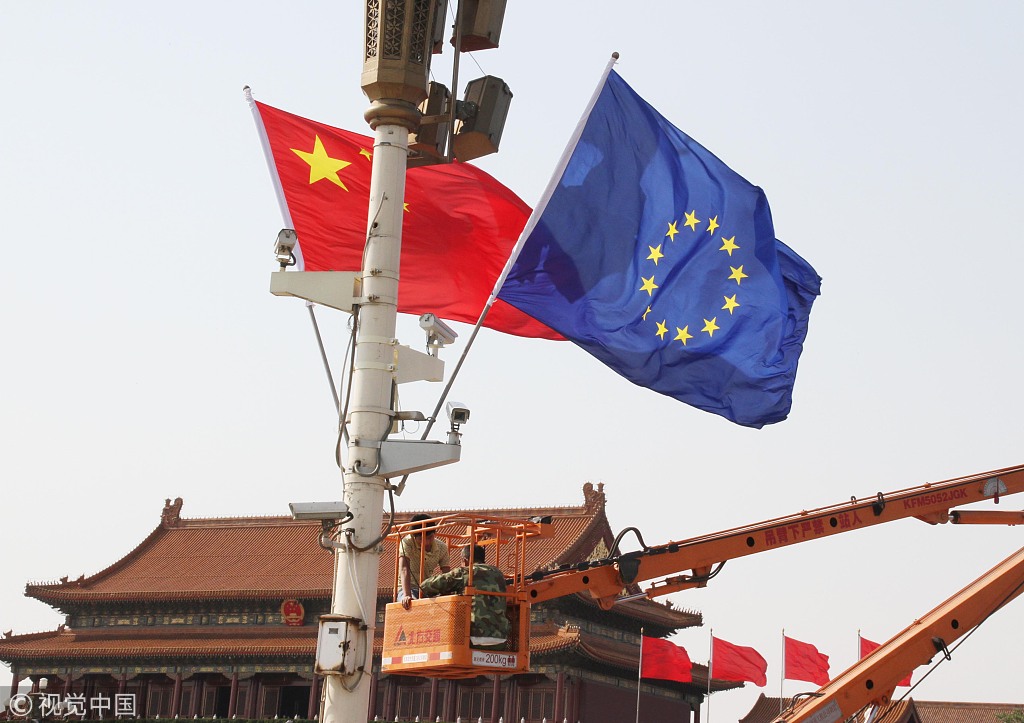
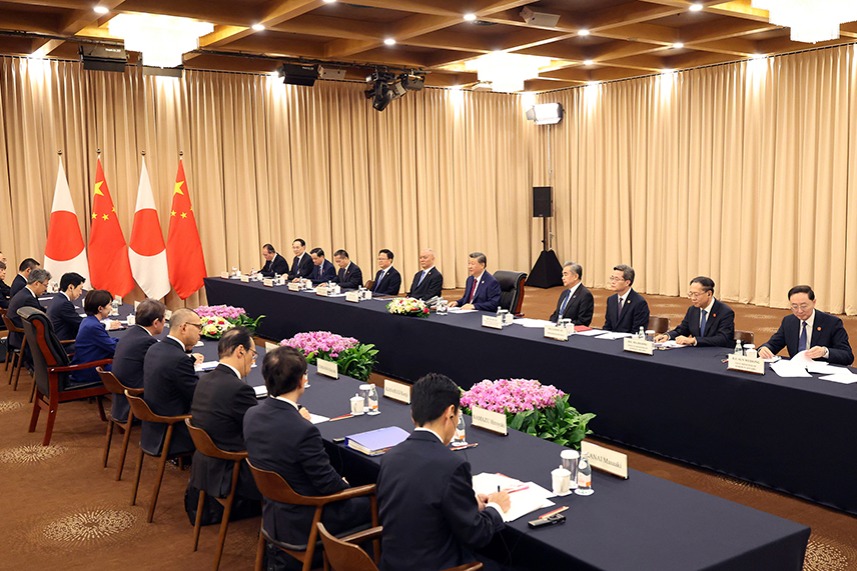
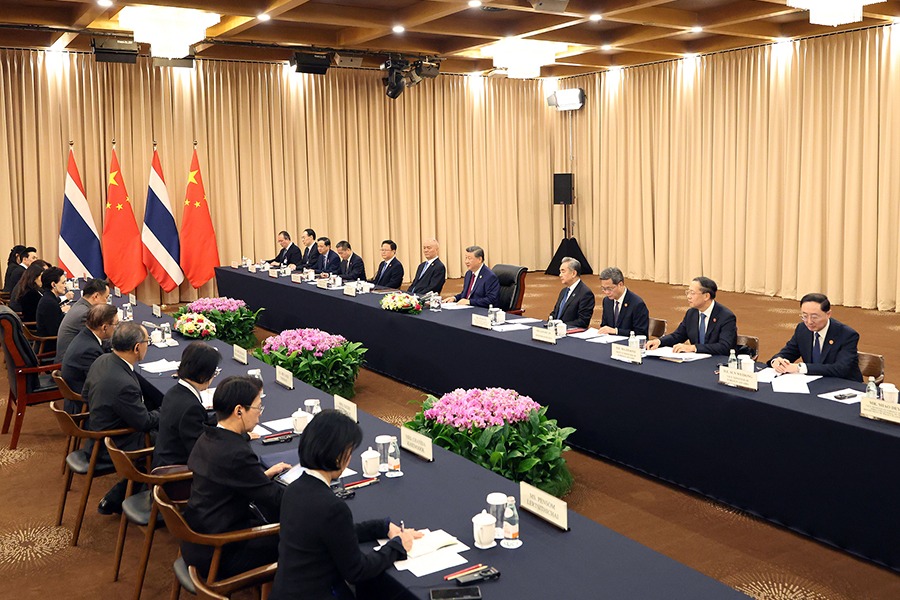
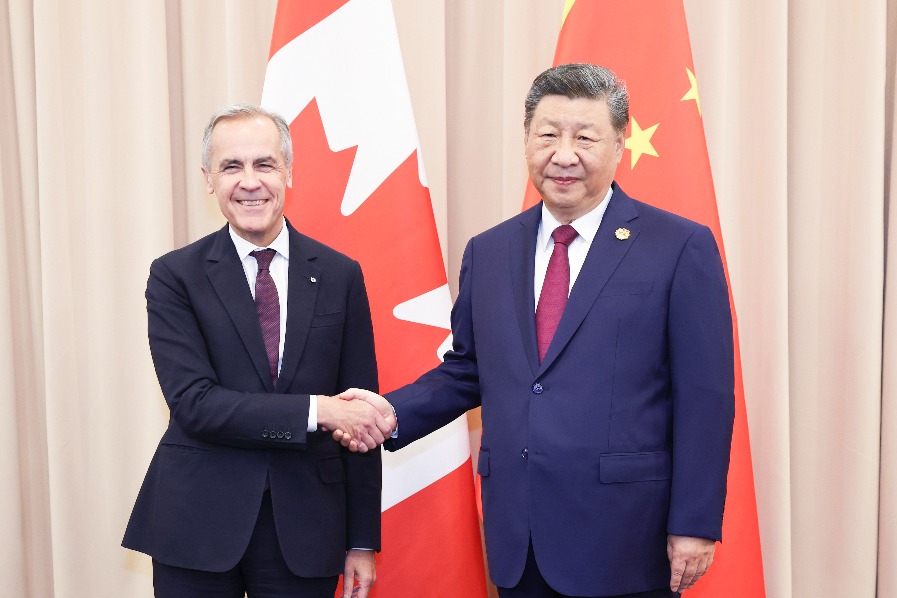
The China-EU Summit, being held in Beijing on Thursday, is important for many reasons, not least because it is the first face-to-face meeting between the two sides since 2019 at a time of escalating geopolitical tensions.
The several virtual meetings during the three years of the COVID-19 pandemic, albeit critical, were no substitutes for face-to-face meetings. There is no doubt the top leaders of the two sides need to meet more often and hold dialogue to understand each other better since misunderstandings and lack of mutual trust are still plaguing China-EU relations.
Unlike the European Union which has since March 2019 changed its definition of China-EU relations to cooperation partner, economic competitor and systemic rival, China's stance has been consistent: it views the China-EU relationship as a comprehensive strategic partnership, which began 20 years ago.
China and the EU, despite their differences, have great potential to expand cooperation, which has benefited both sides. Apart from trade, investment and people-to-people exchanges, such cooperation also includes working together to overcome global challenges such as climate change, global economic slowdown and nuclear proliferation.
China's recent decision to provide visa-free travel for citizens of five EU member states — France, Germany, Italy, the Netherlands and Spain — is a major step aimed at encouraging people to people exchanges. The EU should reciprocate this gesture with measures to facilitate the visa applications of Chinese tourists and business people, which have so far been a source of complaint.
As someone who witnessed in 2016 the launch of China-US reciprocal 10-year visa agreement, I feel it would be great if China and the Schengen countries came to a similar understanding. Perhaps top EU leaders such as European Council President Charles Michel and European Commission President Ursula von der Leyen should spend some time traveling in China besides participating in the summit in order to see and understand the real and diverse China.
Such an experience may make them realize that the differences between the two sides should not prevent them from deepening cooperation in different fields. For example, the EU should view China's position document on the Russia-Ukraine conflict without any bias and realize the importance of its call for a cease-fire in the Israeli-Palestinian conflict instead of nitpicking. It should realize that the two conflicts, if allowed to escalate, would deal a huge blow to the EU by, for instance, triggering an influx of refugees in Europe, which is already a top concern for the bloc.
The EU has asserted that it does not seek to decouple from China. Yet the sheer rhetoric of "de-risking" is souring China-EU ties. Mercedes-Benz CEO Ola Kallenius put it rightly — "for us, de-risking doesn't mean reducing our presence in China but increasing it". Similarly, many German companies, from Volkswagen to Bosch to BASF, continue to increase their investments in China.
One of the reasons for the EU's trade deficit with China is that many EU companies' units manufacture products in China and export them to the EU.
The EU could change that by welcoming more Chinese investors and lifting the growing screening measures that discriminate against Chinese investors and withdrawing the export control imposed on companies such as the Dutch firm ASML, the world's largest semiconductor equipment manufacturer.
The EU could also reduce the deficit by ratifying the Comprehensive Agreement on Investment, an agreement that took seven years to finalize and will remove the barriers for both EU and Chinese investors.
EU leaders should realize that Chinese companies, contrary to Western perception, have become strong competitors of global enterprises. For example, Chinese electric vehicle and solar panel companies are global leaders thanks to the country's early transition toward clean energy. In fact, the EU should applaud China's achievements in green transition because it could contribute a lot to the EU's ambitious Green Deal.
Trying to build barriers to undermine China's green transition by launching anti-subsidy investigations and even threatening punitive tariffs will undermine the global fight against climate change. So the EU should change its mindset, and accept that China, the world's largest developing country, can take the lead in some advanced industries, especially those critical to the global fight against climate change and green transition.
The author is chief of China Daily EU Bureau based in Brussels. chenweihua@chinadaily.com.cn