The challenge of population aging in China: Implications and solutions







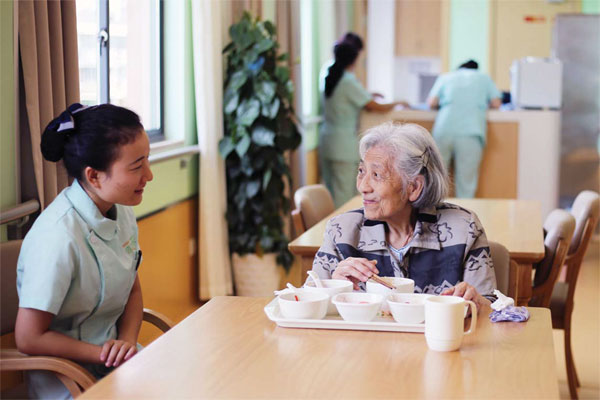
China is experiencing a profound demographic shift as its population rapidly ages. According to the Ministry of Civil Affairs, by the end of 2022 more than 280 million Chinese citizens, accounting for 19.8 percent of the total population, were aged 60 or above. The Ministry also reported that 209.78 million people, representing 14.9 percent of the population, were aged 65 or over. This trend of population aging poses complex challenges for China's healthcare system, economy, and society. Aging will have wide-ranging implications if not addressed strategically through comprehensive long-term solutions.
Mounting healthcare costs
As the elderly population increases in size and proportion, China will face rising healthcare expenditures to treat age-related illnesses. The growing prevalence of chronic conditions like cardiovascular disease, cancer, diabetes and dementia among seniors will drive up spending on medical treatment, long-term care, and end-of-life care. According to estimates, national healthcare costs could increase by over 50 percent by 2050 due to population aging. This additional financial burden, if not mitigated, risks overburdening the healthcare system and constraining resources for other public services.
The strain on pension systems
Population aging also presents economic challenges by placing strain on pension schemes and altering national demographics. China's pension system, comprised of the basic pension pool and individual accounts, will come under greater pressure to provide adequate benefits to the surging retired population. This threatens the long-term sustainability of pensions without reforms. Additionally, aging will shrink the labor force as the proportion of workers supporting retirees’ declines. This demographic shift could hamper economic growth by reducing the flexibility of domestic consumption and labor market.
Increased demand for social services
As the elderly cohort expands, there will be a higher demand for social welfare programs and long-term care services to support seniors. This includes community-based services like daycare centers, home-based care, nursing homes and assisted living facilities. Meeting rising needs for these social services will require greater public investment and private sector participation. Neglecting such services risks social isolation and declining well-being among the growing senior population.
Implications for key sectors
Several industries will face implications from population aging that require strategic policy responses and reforms. The healthcare sector must expand geriatric medical services, and long-term care facilities and train more professionals specialized in elder care. Economic policies need to mitigate aging's impact on growth through job market reforms, skills training and mobilizing untapped labor among seniors. Pension schemes and social programs also require changes to support the larger retired cohort sustainably. Educational institutions may need to adapt curricula to workforce needs in an aging society.
Promoting active aging
Encouraging active and healthy lifestyles among seniors through public health campaigns and community programs can help improve quality of life while easing future healthcare costs. Regular exercise, preventive care, nutrition education and chronic disease management can promote well-being and independence in old age. Community-based activities that engage seniors socially and cognitively also benefit mental health. Subsidizing fitness facilities, parks, recreation centers and senior day programs in residential communities fosters active aging.
Enhancing medical services for seniors
China must enhance its medical services and long-term care infrastructure to meet rising demand from the aging population. This includes expanding geriatric-specific hospitals, nursing homes, assisted living facilities and home care services, especially in less developed regions. It is also important to train more healthcare professionals specializing in elder care through vocational programs, continuing education and geriatric curriculum in medical schools. Increased public funding for gerontology research can yield treatment advances for age-related illnesses. Developing assistive technologies, telemedicine and online health platforms expands care access for seniors.
Exploring sustainable pension models
China's pension system requires reforms to safeguard financial security in an aging society. Options include gradually extending the retirement age to balance contributions and benefits over longer lifespans. Supplementing state pensions with individual retirement accounts and occupational pensions diversifies risk and resources. Promoting later retirement through flexible work arrangements and retraining programs for new skills mobilizes senior labor. Exploring mixed public-private pension models and greater private-sector participation can enhance sustainability and choice. Actuarial reviews and regular adjustments based on demographic projections help ensure adequate pensions.
Fostering intergenerational solidarity
Developing activities and infrastructure that facilitate interaction between young and old generations enhances social cohesion and quality of life in an aging population. This includes expanding senior community centers, volunteer programs pairing students with seniors and intergenerational daycare facilities. Promoting multigenerational living through housing designs integrated with community services supports seniors aging in place. Implementing age-friendly urban planning principles like barrier-free public spaces and transportation options fosters the active participation of elders. Cultural activities celebrating senior citizens' contributions to society nurture filial piety and respect between the generations.
While population aging poses immense challenges for China's healthcare system, economy and society, strategic long-term planning and comprehensive policy measures can effectively address this issue. Prioritizing elder wellness through healthcare reform, sustainable pension schemes, social services expansion and nurturing intergenerational relationships allows China to progress inclusively during demographic transition. Embracing the contributions of an aging population and caring for senior citizens' welfare can help transform this transition into social opportunities. With prudent solutions implemented over time, China is well-positioned to overcome challenges and achieve high living standards across all age groups in the coming decades of population aging.
Xu Ying is a Beijing-based commentator. The article presented is solely the opinion of the author and does not necessarily represent the views of China Daily.
If you have a specific expertise, or would like to share your thought about our stories, then send us your writings at opinion@chinadaily.com.cn or comment@chinadaily.com.cn.