China aids developing countries with agricultural science







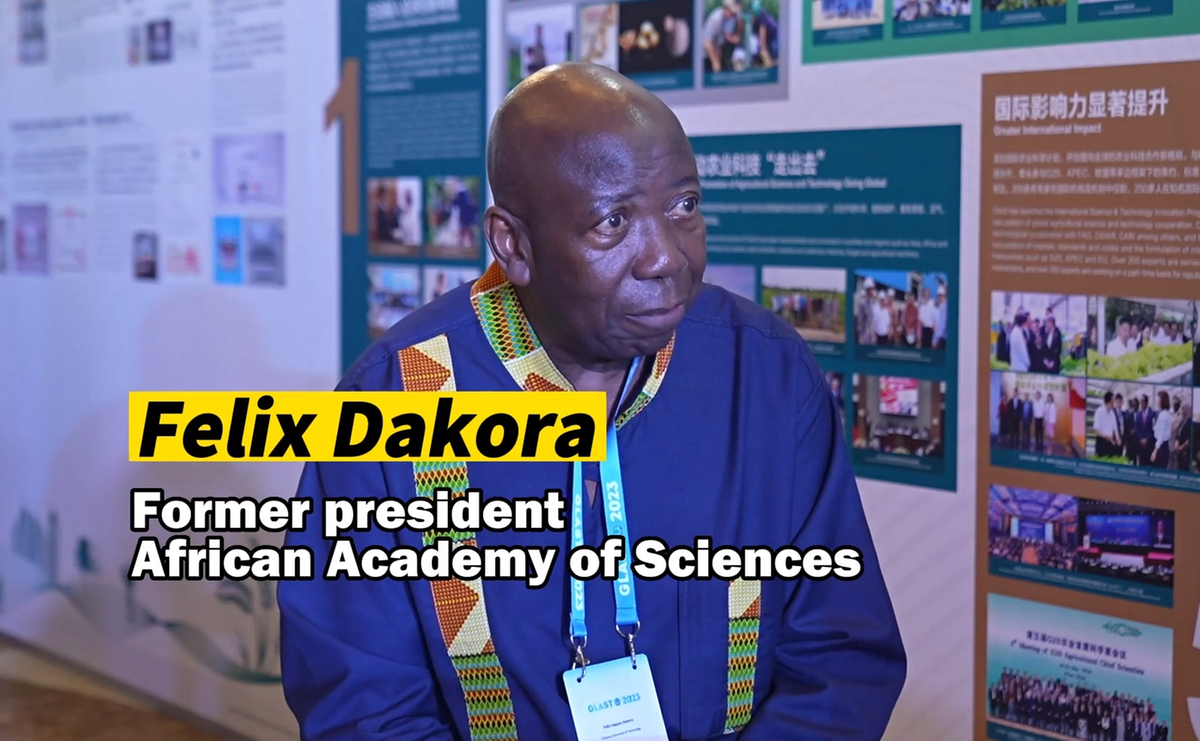
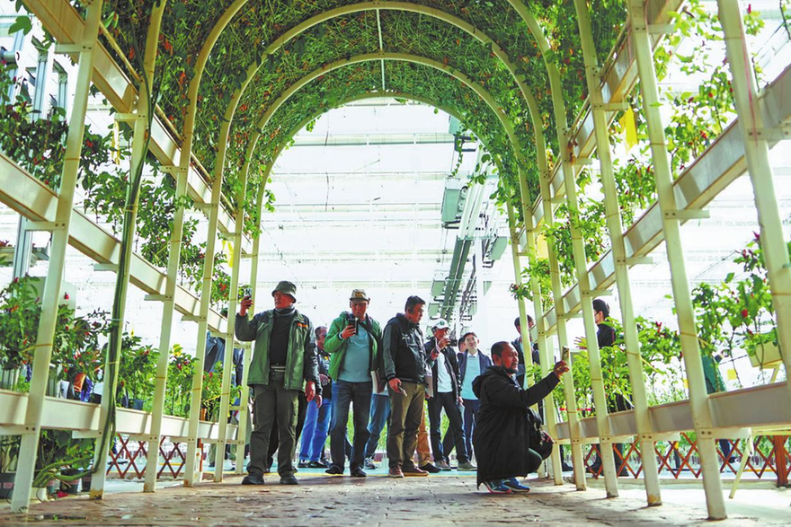
A renowned African plant scientist has praised China for sharing germ plasm, or seed matter, of crops species with developing countries where agricultural research is lagging.
Germ plasm is genetic resources such as seeds or animal tissue that can be used to aid the breeding of crops or farm animals.
There have been growing calls among researchers for world governments to allow for unimpeded flows of such knowledge to stem the decline in crop biodiversity.
Felix Dapare Dakora, former president of the African Academy of Sciences, said that the increase of extreme weather events — with unusual temperatures, wildfires, flooding and drought sweeping many parts of the world over the past year — is straining the preservation of crop biodiversity.
The loss will diminish the toolbox that researchers can tap as they mine the plant gene pool and use it to enhance crop varieties against adverse factors such as heat waves, plant diseases and pests, he said.
Dakora, now a foreign academician at the Chinese Academy of Engineering, said that the free exchange of germ plasm can mitigate climate change's impact on the food sector.
"If it's lost in one region completely, you can replenish it by importing from, literally taking germ plasm, in another part of the world such as Sanya," the South African plant scientist said, referring to the tropical city in Hainan province that is home to a new national germ plasm bank where plant scientists from across the globe can conduct research.
"If we work together, we will not destroy. If we don't work together, we will destroy the planet," he added.
China over the past few years has ramped up a technology-driven effort to boost national food security in the face of trade disputes with the United States, more extreme weather events and conflict-induced supply chain disruptions, which has threatened food access in nations reliant on food imports and pushed up global food prices.
As part of the drive, authorities have highlighted the role of cutting-edge breeding know-how in bolstering food yield.
Officials have raised the importance of mastering next-generation bio techniques such as gene-editing on a par with the traditionally crucial mission of farmland preservation.
A crucial asset for genetic research, the cross-regional swapping of germ plasm resources has gained momentum.
In May, the State-owned building contractor, China Railway 16th Bureau Group, said it had completed final projects such as irrigation and drainage systems at the National Wild Rice Germ Plasm Resources Garden, which the company called "the world's largest repository for gene resources of wild rice varieties".
Experts said that the favorable policies of the Hainan Free Trade Port, such as the visa-free policy, will promote the sharing and use of germ plasm across the borders.
Three months later, the Chinese Academy of Agricultural Sciences and authorities in Beijing and Hainan province launched the genome-to-phenome program. The aim was also to bolster the sharing of such knowledge with global partners.
In a previous interview with China Daily, Bram Govaerts, director-general of the International Maize and Wheat Improvement Center, said that China was a flag-bearer in the global sharing of germ plasm resources.
"China is really getting together all the international actors," he said.
The stepped-up sharing of germ plasm came on the back of a yearslong effort by the Chinese government to rescue vanishing crop species.
In 2015, the agricultural ministry started the third national census of crop germ plasm, which involved more than 30,000 grassroots officials who over the course of about three years collected about 12,000 germ plasm samples.
The protection and sharing of germ plasm is an example of China's shift to a knowledge-intensive approach to bolstering food yield, instead of just expanding growing areas or stepping up the use of fertilizers.
Dakora said China has emerged as a major food producer over the past decade through a huge investment in agricultural technologies.
"Since then, China has moved in and it's investing a lot of money in agriculture, developing agriculture technologies, be it through bio technology, through gene-editing, you name it."
He expressed confidence that Africa, working closely with China, can soon emulate that prowess in food production and achieve self-sufficiency.
"Africa is where China was, but China has gone past that and this is the way today, with abundant food everywhere for people to eat and making new products out of the food that China produces," Dakora said.
"I remain optimistic that, Africa working closely with China, in fact you should be able to achieve that within a shorter period of time."
To hear more about what he had to say, please click here.