Remembering China's merchant navy heroes







Editor's note: Thousands of Chinese merchant sailors risked everything to keep Britain's vital supply lines open during World War II. And yet, after peace was restored, they were only repaid with gross injustice. This page looks at the startling truth and the poignant tale of brave seamen, familial tragedies, forgotten history and a community's quest for answers and dignity.
Despite their sacrifices, many seamen in Liverpool were forcibly repatriated
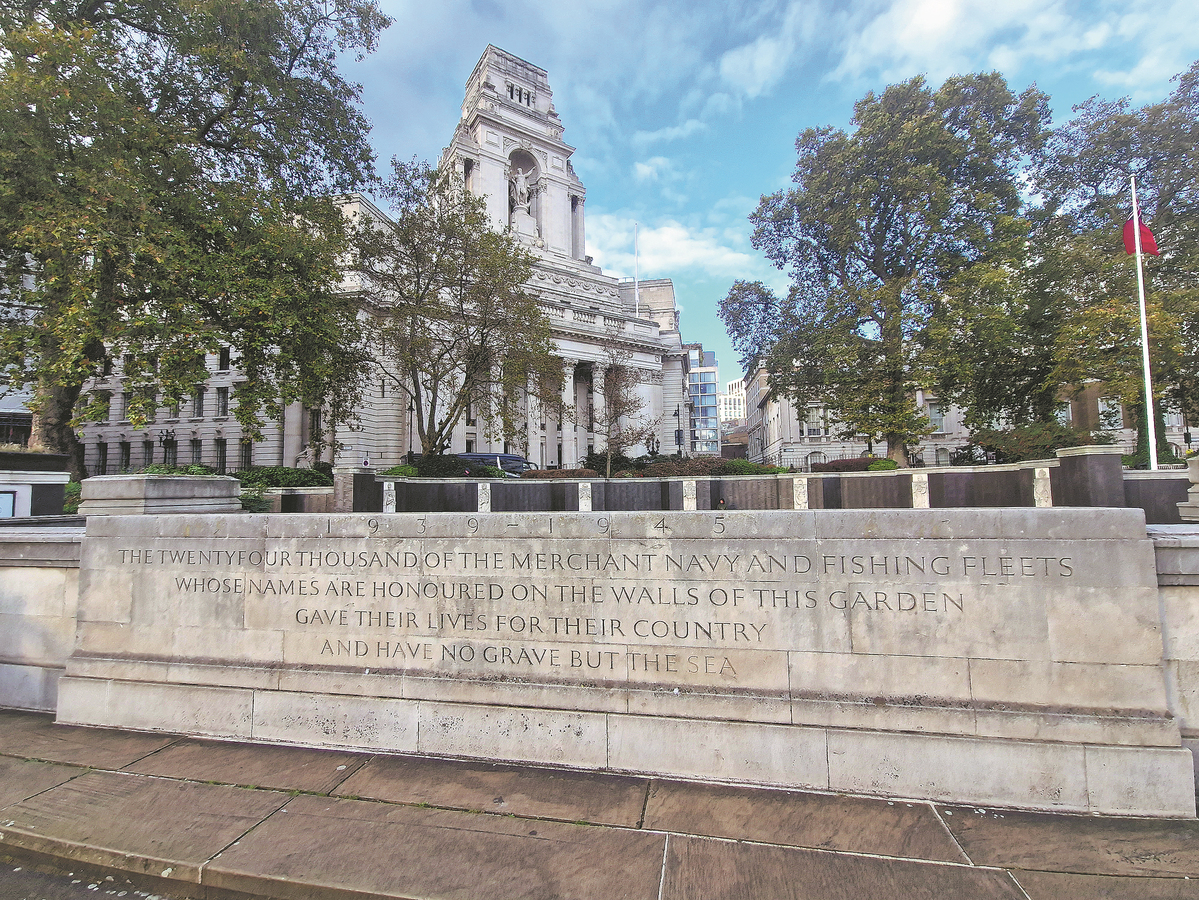
Around the Tower of London, there are sites and monuments that tell stories of the long history of the United Kingdom. But there is one that many people pass by without noticing.
The Tower Hill Memorial on Trinity Square is a 20th century monument commemorating the 36,065 men and women of the merchant navy and fishing fleets lost at sea in both world wars, people who kept the country fed when it could easily have been starved into submission.
Unlike military campaigns, contributions of the merchant navy to the wartime narrative are rarely celebrated. And this has a strong Chinese connection, with an unexpected and unhappy ending.
In World War II, the main base of the merchant navy was the northwestern port city of Liverpool, which was part of the crucial North Atlantic supply route. The city's strong dock heritage meant it was also the site of Europe's first Chinatown.
The first recorded Chinese presence in Liverpool dates back to 1834, when the first vessel arrived directly from China, and a more significant community was established there in the 1860s, by Chinese sailors who worked for the locally based Blue Funnel shipping line, which sailed to Hong Kong and Shanghai.
With such numbers and specific skills, it is no surprise that in Britain's wartime hour of need, Chinese merchant sailors were quick to volunteer to serve their adopted homeland.
In what became known as the Battle of the Atlantic, an average of four convoys of supplies, each made up of as many as 60 ships, would come into Liverpool's docks each week, making it an artery of survival for the whole country, and an estimated 20,000 Chinese sailors helped keep it open.
However, at the war's end, many of Liverpool's Chinese merchant seamen were treated as an unwanted presence despite their service, sacrifice, and in many cases, longevity in the city, with some having married and had families.
Although plenty were happy to return home after such a grueling wartime experience, it is estimated that around 2,000 decommissioned sailors remained in the Liverpool area postwar. And soon after the end of the conflict in October 1945, a meeting took place involving officials from the Home Office, Foreign Office, Liverpool police, immigration inspectorate and others with one topic: getting rid of them.
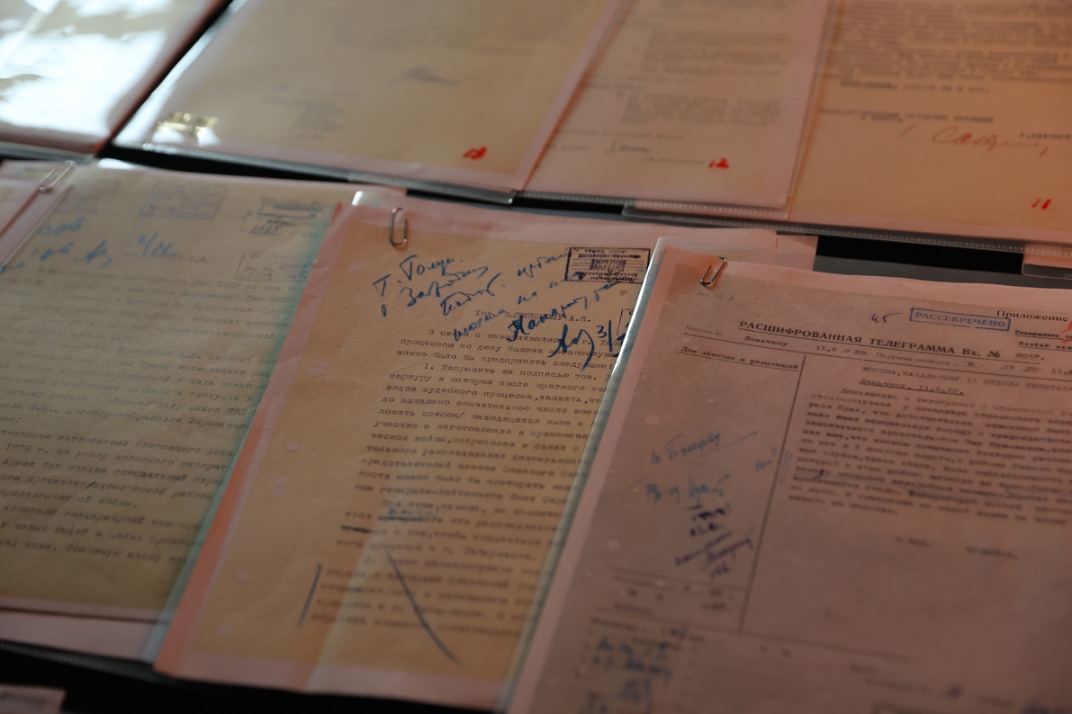
The meeting resulted in the opening of a confidential file numbered HO 213/926 and titled "Compulsory repatriation of undesirable Chinese seamen", which remained out of the public gaze for decades.
Just a year earlier in 1944, the contributions of Chinese merchant sailors had been praised in the Ministry of Information's propaganda movie The Chinese in Wartime Britain, with the narrator saying "shoulder to shoulder in the greatest battle of naval history, alongside their British seamen comrades, they too brave the torpedoes and the bombs and the mines, making history under fire… life at sea fuels a unique spirit of comradeship between the men of all nations".
But unequal pay rates had for many years led to ill feelings and even violent confrontations with police. No sooner had the war ended than they became tired of being treated as cheap labor, and the fraternal feeling dried up.
Many were literally snatched off the streets and bundled out of the country, without a chance to say goodbye to the families they left behind, who were often mystified as to where they had gone, many going to their graves without ever having had an answer.