Collective advance
Developing countries were left behind in the first three industrial revolutions, but the fourth one gives them a chance to rapidly catch up








The rise of the Global South in recent years is attracting widespread attention, but the world has not agreed on its positioning. The unity of Global South countries is being challenged, as the West is constantly trying to divide the group.
To understand the Global South, it is necessary to enunciate its identity, aspirations, and interests.
Global South countries share a history of being invaded and colonized. Today their development and modernization are facing obstacles from the stronger powers. This shared identity is not only prerequisite for clarifying the origin and destination of the Global South, but also why the Global South countries should wake up to the reality of profound changes and unite to help each other.
Global South countries now have a growing awareness of seeking reparations for their tragic history and pursuing international justice. During a summit in Ghana in November 2023, the African Union and the Caribbean Community released a proclamation urging Western countries such as the United Kingdom, the Netherlands and Spain to formally apologize and pay for historic mass crimes such as colonial atrocities and the slave trade. They also announced they would explore "litigation options" and establish a "global reparations fund" to accelerate the campaign.
Global South countries have always shared the same aspirations. During the colonial period, they sought an end to imperialism and colonialism. After World War II, especially during the Cold War, they were unanimously against hegemony, dominance and interference, and sought the defense of national sovereignty and independence. Today, they object to bullying, sanctions and double standards, and seek democratic international relations.
As their economies and strengths grow, Global South countries are becoming an important and increasingly independent political force to defend their own rights and promote international fairness and justice.
In the Ukraine crisis, despite strong pressure from the United States and its Western allies, the Global South did not succumb to Western sanctions against Russia on multilateral platforms such as the United Nations, evidence of their growing independence and capabilities.
Global South countries share common interests. In international politics, strength determines power. The 21st century has offered developing countries opportunities for collective advancement. The Global South should leverage its growing strengths to push for a fairer and more equitable international order.
Under the right to development, every nation is entitled to active, free and meaningful participation in political, economic, social and cultural development and to fairly enjoy the benefits of development. However, developing countries have long been constrained or even deprived of this right, resulting in a huge development gap between the North and the South.
In the new world order, developing countries need to uphold their legitimate development interests in major issues such as the UN Sustainable Development Goals, climate change and global governance.
The Global South should strengthen its political self-reliance. Today, Global South countries are unwilling to succumb to pressure from the West, led by the US, and are pursuing independence and autonomy.
The Global South should be more proactive: it should voice its own opinions on international affairs and major global issues; it should enhance its influence in the reform of the UN and the three major international economic and financial institutions, advocating for a fairer and more equitable international order; it should autonomously establish multilateral organizations to increase its initiative and inject new energy into global governance.
However, the Global South is challenged by internal unity issues and external dividing forces.
With continuous efforts to divide the group, the US and its Western allies have stepped up their political and diplomatic investment in the Global South, launching infrastructure and aid projects, and attempt to separate China from the group. What they are planning is not to help the Global South countries, but rather to contain China's development and curtail the cohesion and influence of the Global South. Unfortunately, to serve their self-interests and geopolitical schemes, some Global South countries have taken exclusionary measures at the expense of the unity of the group and have received support from Western countries.
In this era of unprecedented changes, Global South countries, especially the major ones, should have a sense of community of shared future. They should uphold the unity of the group and work together to promote its growth, so that the Global South will become a defender of the interests of developing countries, an advocate of a new fairer international order, and a supporter of the development of developing countries.
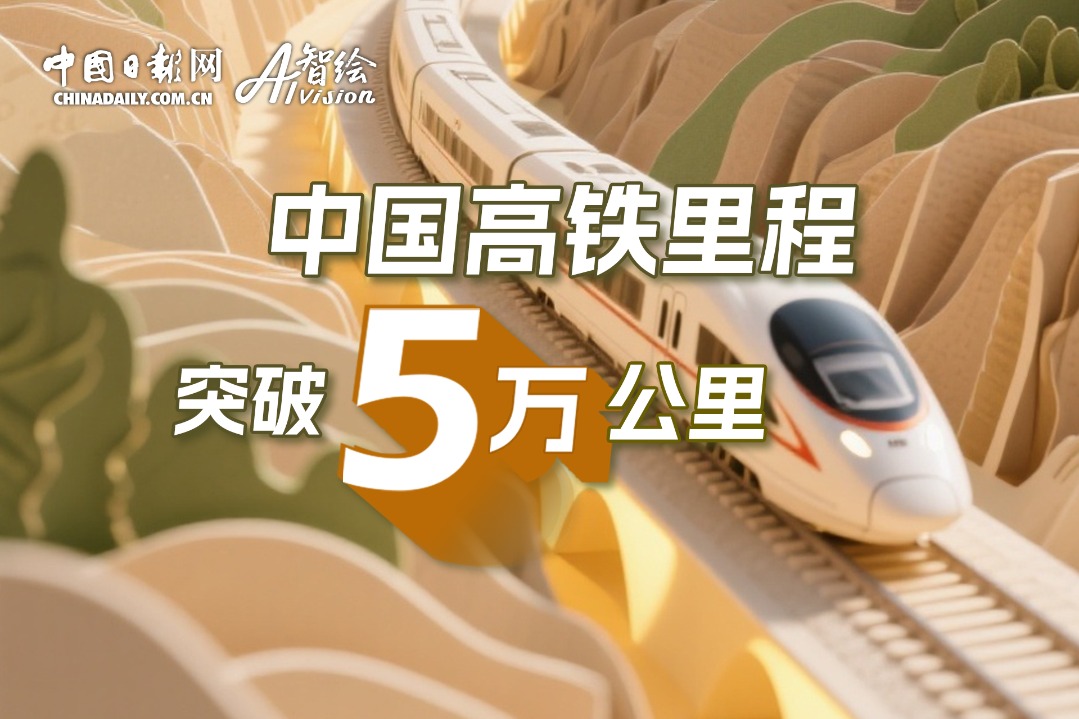
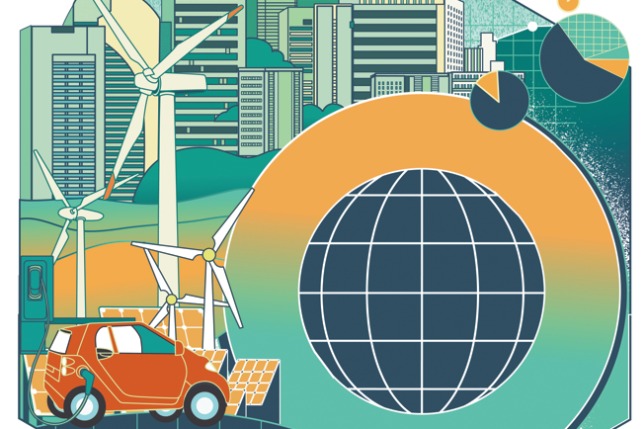
Western countries have dominated the first three industrial revolutions and left developing countries to play a passive role, but the fourth industrial revolution presents an opportunity for developing countries to rapidly catch up. China, for example, is now leading the world in new energy vehicle technology and renewable energy.
As the world undergoes an energy and economic transition to address climate change, developing countries should seize the opportunity to upgrade their economies and rapidly narrow the gap with Western countries. The Global South should work together to achieve breakthrough development and common prosperity.

The author is deputy director of the Institute of World Economics and Politics at the Chinese Academy of Social Sciences and a committee member of the National Institute for Global Strategy at the CASS. The author contributed this article to China Watch, a think tank powered by China Daily. The views do not necessarily reflect those of China Daily.
Contact the editor at editor@chinawatch.cn.