Malaysia looks to engage with China, steer region







Assuming the chairmanship of the Association of Southeast Asian Nations in 2025 gives Malaysia a vital opportunity to steer the region through transformative geopolitical and economic shifts while championing environmental sustainability.
Southeast Asia's growing strategic importance gives Malaysia the chance to enhance ASEAN's global influence. By leveraging its pragmatic diplomacy and Look East policy — emphasizing strategic partnerships with China and other East Asian nations — Malaysia can drive regional integration, foster economic growth and ensure environmental stewardship. The task is not only to address current challenges but to lay the groundwork for a visionary ASEAN future extending to 2100, characterized by resilience, dynamism and ecological sustainability.
A primary focus area for Malaysia will be advancing economic integration within ASEAN while embedding sustainability into economic policies. Utilizing the Regional Comprehensive Economic Partnership as a framework, Malaysia can advocate environmentally friendly trade policies and support green technologies.
In an evolving global economic landscape, the rise of BRICS presents both opportunities and challenges. BRICS countries, with their significant economic clout and growing influence, offer potential avenues for expanding green trade and investment partnerships. Malaysia can leverage these relationships to foster collaboration on sustainable development initiatives and green technologies.
Looking toward 2100, Malaysia could propose a unified ASEAN green economic zone. This zone would harmonize regulations and policies to promote sustainable trade and investment. Prioritizing innovation in green technologies, renewable energy and circular economy practices will be essential. Establishing long-term economic and environmental goals will help ASEAN maintain its global leadership in sustainable development, while engaging with BRICS can enhance the region's capacity to address global challenges and drive forward the green agenda.
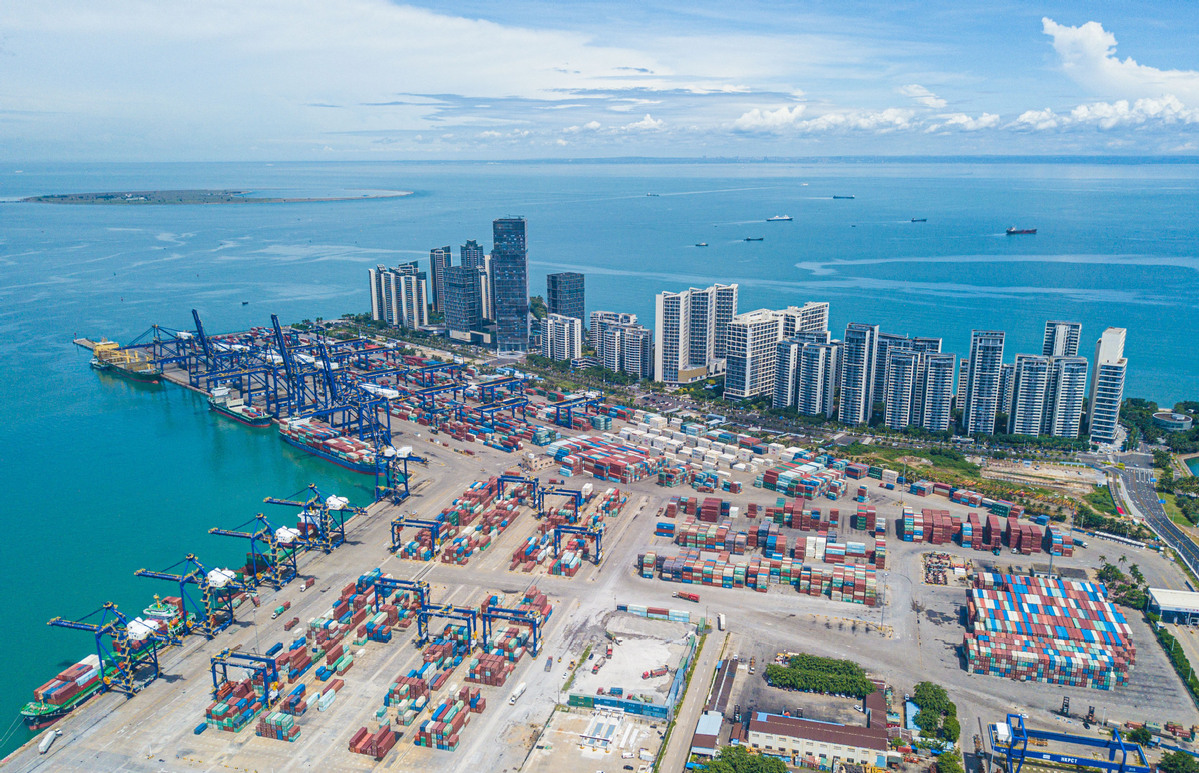
Infrastructure development will be a cornerstone of Malaysia's leadership, particularly within the context of China's Belt and Road Initiative. Emphasizing the modernization of infrastructure with a focus on sustainability — such as green ports, eco-friendly railways and smart digital networks — will drive regional integration and equitable growth.
For the future, Malaysia can propose an ASEAN-wide green infrastructure master plan for 2100. This plan should include smart cities powered by renewable energy, integrated transportation networks that reduce carbon emissions, and robust digital infrastructure supporting a low-carbon economy. Investing in sustainable infrastructure will be crucial for ASEAN to adapt to global environmental trends and maintain its competitive edge.
Maritime security and environmental preservation will also be critical during Malaysia's chairmanship. Malaysia can lead ASEAN in promoting peaceful dialogue and cooperation among member states, including China, and external partners, with a focus on environmental protection.
Looking toward 2100, Malaysia should propose an ASEAN maritime environmental security alliance. This alliance would focus on joint efforts to combat marine pollution, protect marine biodiversity and ensure sustainable maritime practices.
Aligned with its Look East policy, Malaysia can drive ASEAN's green digital transformation by leveraging advancements in Chinese technology. Advocating collaboration in e-commerce, fintech and smart city development with an emphasis on environmental sustainability will be key.
Malaysia can propose a digital ASEAN green community by 2100.This community could integrate digital platforms across member states, enhance cross-border e-commerce and ensure equitable access to green technologies. Establishing a regional digital innovation hub focused on eco-friendly technology and entrepreneurship will be crucial.
Addressing climate change will be a central issue during Malaysia's chairmanship. Collaborating with China on green technology and renewable energy initiatives will be essential for promoting sustainable development across ASEAN.
Looking to 2100, Malaysia can propose a comprehensive long-term sustainability framework for ASEAN.This framework should include ambitious targets for carbon neutrality, significant investment in renewable energy sources, and strategies for climate adaptation and disaster resilience. Emphasizing sustainable urbanization, conservation of natural resources and ecosystem restoration will help ASEAN meet its environmental goals and position the region as a global leader in sustainability.
Finally, engaging youth and focusing on education will be vital components of Malaysia's agenda. Malaysia can champion initiatives to equip the next generation with skills for a green, digitally connected world.
Envisioning the future, Malaysia can propose a comprehensive ASEAN youth green development program by 2100. The program could focus on education in environmental science, green technology and sustainable entrepreneurship. This will help shape a new generation of leaders and innovators driving ASEAN's sustainable success.
Malaysia's chairmanship of ASEAN in 2025 offers a pivotal opportunity to enhance the group's economic, security and environmental resilience. By deepening ties with China, advancing regional integration, and fostering sustainable and inclusive growth, Malaysia can position ASEAN as a forward-thinking, cohesive and environmentally conscious global player.
The author, a PhD in political science, is with the Department of Fundamental and Inter-Disciplinary Studies at the International Islamic University Malaysia.