


TV series sheds light on modern life in Lhasa








Lhasa, the capital of the Xizang autonomous region, which lies at an altitude of 3,650 meters above sea level, has long been known as the "city of sunlight" as it gets an average of more than 3,000 hours of sunshine a year.
For many outsiders, the city, with its rich history, ethnic culture, and the spectacular natural wonders of the Qinghai-Tibet Plateau, which is known as the "roof of the world", remains a mysterious, distant land.
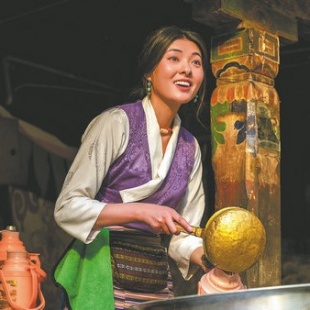
A recent 21-episode TV series The City of Sunlight seeks to open a window on modern urban life in Lhasa for a wider group of viewers, through the stories of young people and their choices in life, career paths and emotional decisions.
The drama topped the ratings for eight consecutive days when it was broadcast on China Central Television's CCTV-1, according to CVB, a television show statistics collector affiliated with the National Radio and Television Administration. It also received a 9 out of 10 rating on the review site Douban.
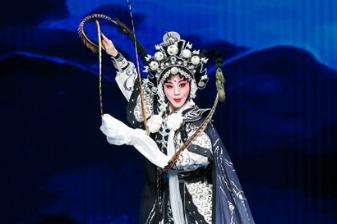
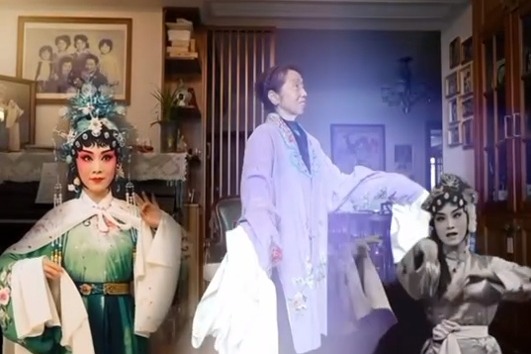
The main storyline revolves around the family of Thubten, the leader of a Tibetan Opera troupe in Lhasa, who is highly respected in the local community.
A strict father who follows tradition, Thubten's expectations are challenged by his daughter and two sons, who each pursue their own dreams and paths in life.
His daughter, Cho Dzong, falls in love with Xu Shaojie, a cadre member from Shandong province, leading to the dilemma about whether she should marry and move away from her hometown.
One of his sons, Sonam, is supposed to become a civil servant, a job Thubten considers stable, but Sonam is determined to run a trading company to promote local specialties like chili peppers, honey and lamb.
His other son, Tashi, who is a medical student, is destined to become a doctor, but influenced by his father's love for Tibetan Opera, he wants to become a performer instead.
"Tibet's rich cultural heritage deserves attention beyond the symbolic level. Without relying on a dramatic storyline, the drama portrays contemporary life, using a fresh narrative and genuine emotion, and delves into intergenerational dynamics. It offers a strong sense of realism and engagement, providing viewers a moment of relaxation, and also a chance to reflect on their relationship with parents," Xu Ruofeng, a Douban user, commented after watching the series.
The series also makes the most of the picturesque scenery of Xizang and the enduring beauty of its cultural heritage, including aspects such as thangka paintings, Tibetan Opera, and Tibetan embroidery.
It took three years to create, and involved traveling over 4,100 kilometers to interview 132 individuals from various backgrounds, leading to reams of notes, according to scriptwriter Yu Xiaoqian.
"In the creative process, the first thing to discard is the perspective of a tourist or an outsider. We aim to tell the stories from the local perspective," says Yu.
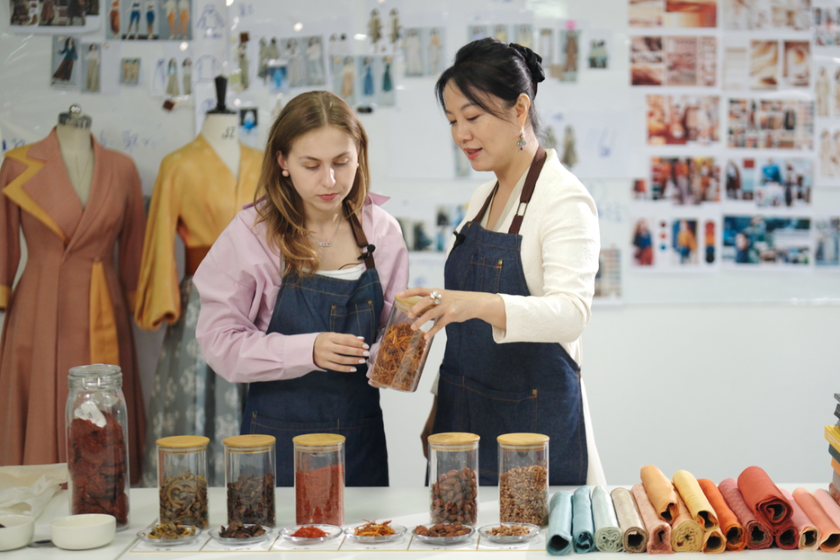
In Lhasa, Yu met young people from varied walks of life, including teahouse workers, fashion brand owners, art curators, rappers, stand-up comedians and heritage conservationists. Tashi, one of the characters in the series, is inspired by a nurse who is also a Tibetan rap singer Yu met during his travels.
The series focuses on the common challenges faced by young people, such as intergenerational differences, preserving traditional culture, dealing with long-distance relationships, and navigating the conflict between career and hobbies.

"Young people from different places may have cultural differences, but we also share many commonalities, and that commonality is what I want to present most," says Zhou You, who plays Sonam.
Liu Shuxin, a professor at the School of Journalism and Communication at the Minzu University of China, says that the series blends the cultural elements of Tibetan Opera, traditional Tibetan medicine, equestrian sports and Tibetan attire, offering a glimpse into contemporary urban life in Lhasa. The story combines practical wisdom with romanticism, reflecting the shared values of truth, kindness, beauty and bravery that transcend ethnic and regional boundaries, and resonating with people of diverse cultural backgrounds in China.