China sends one clear message in Latin America gatherings







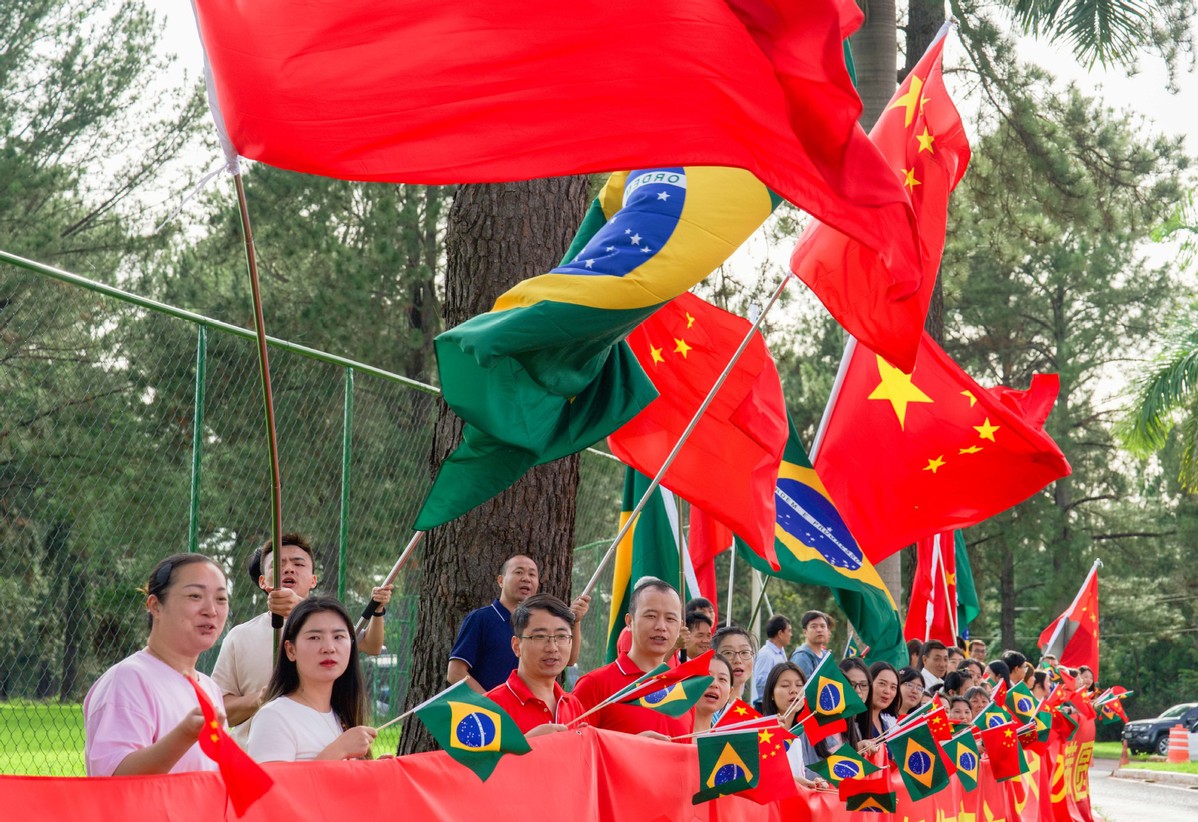
Chinese President Xi Jinping wrapped up a number of busy days of head-of-state diplomacy in Latin America. About 40 bilateral and multilateral events were held and 60-plus cooperation documents were signed, according to the Chinese Foreign Ministry. That says a lot about China’s vision and approach in relation to world affairs. One central message is clear: The world should come together for a shared future.
Are China and the US bound to collide? This is a question on the minds of many world leaders. In his closely watched meeting with US President Joe Biden, Xi went straight to the point that Thucydides’s trap is not a historical inevitability. To make sure history does not go this way, he laid out seven things China sees as critical: adopting a correct strategic perception, matching words with actions, treating each other as equals, not challenging red lines, more dialogue and cooperation, responding to the people’s expectations, and shouldering the responsibilities of major countries.
In fact, avoiding major power collisions is not good enough, the Chinese leader aims higher. He believes China and the US should come together for humanity’s future. “A stable China-US relationship is critical to the future and destiny of the entire humanity. China and the United States should keep exploring the right way for two major countries to get along well with each other, realize long-term, peaceful coexistence on this planet, and inject more certainty and positive energy into the world,” Xi said.
Opening his remarks at the 31st APEC Economic Leaders’ Meeting, Xi called attention to challenges stemming from geopolitics, unilateralism and protectionism, and urged all to stay committed to multilateralism and an open economy, tear down walls and give more support to developing economies and disadvantaged groups. He described a vision for the region whereby all countries can realize modernization characterized by peaceful development, mutually beneficial cooperation and common prosperity.
Before the G20 Summit convened in Rio de Janeiro, many international commentators questioned what kind of message it would send in a world of uncertainty. President Xi’s remarks called for building a just world of common development and working together for a fair and equitable global governance system.
He recalled how G20 members pulled together to tide over the global financial crisis and made the case for members to see each other’s development as opportunities rather than challenges, and view each other as partners rather than rivals.
He recounted how China has lifted 800 million people out of extreme poverty, and ended with these inspiring words, “If China can make it, then other developing countries can make it, too.”
This unique approach to governance and diplomacy is refreshing for many Global South countries sick of hypocrisy, lecturing and empty promises.
China’s consistent call for unity in all international conferences is rooted in its own experiences. The first cohesive Chinese state over 2,000 years ago unified writing, weights, measurements and currency and unleashed tremendous productivity. Its heyday 800 years later made it possible for the Chinese to produce beautiful poetry, more than half of the global GDP, and great inventions such as woodblock printing. Another 700 years later, China, overcoming divides, became one of the world’s largest, wealthiest, and most sophisticated countries. During WWII, it was again unity among different political forces that enabled China to end its century of humiliation and drive away foreign aggressors. In between these long periods of unity and progress, China had painful experiences as a divided nation.
People of different backgrounds can and must find common ground; they will prosper in unity and perish in disunity. These are lessons China has learned time and again throughout the millennia, and these lessons should be kept in mind in today’s world.
Yi Xin is a Beijing-based observer of international affairs.
The views don't necessarily reflect those of China Daily.
If you have a specific expertise, or would like to share your thought about our stories, then send us your writings at opinion@chinadaily.com.cn, and comment@chinadaily.com.cn.