Tariffs: New villain in slowing climate action







In a world on the brink of climate catastrophe, where every degree of warming matters and every delay costs lives, a surprising villain has emerged: tariffs.
Long seen as routine tools of trade policy or geopolitical bargaining chips, tariffs are now quietly undermining one of the most urgent global missions of our time: the transition to clean energy. As humanity faces a narrow and closing window to decarbonize, protectionist trade policies are driving us further apart — and slowing us down.
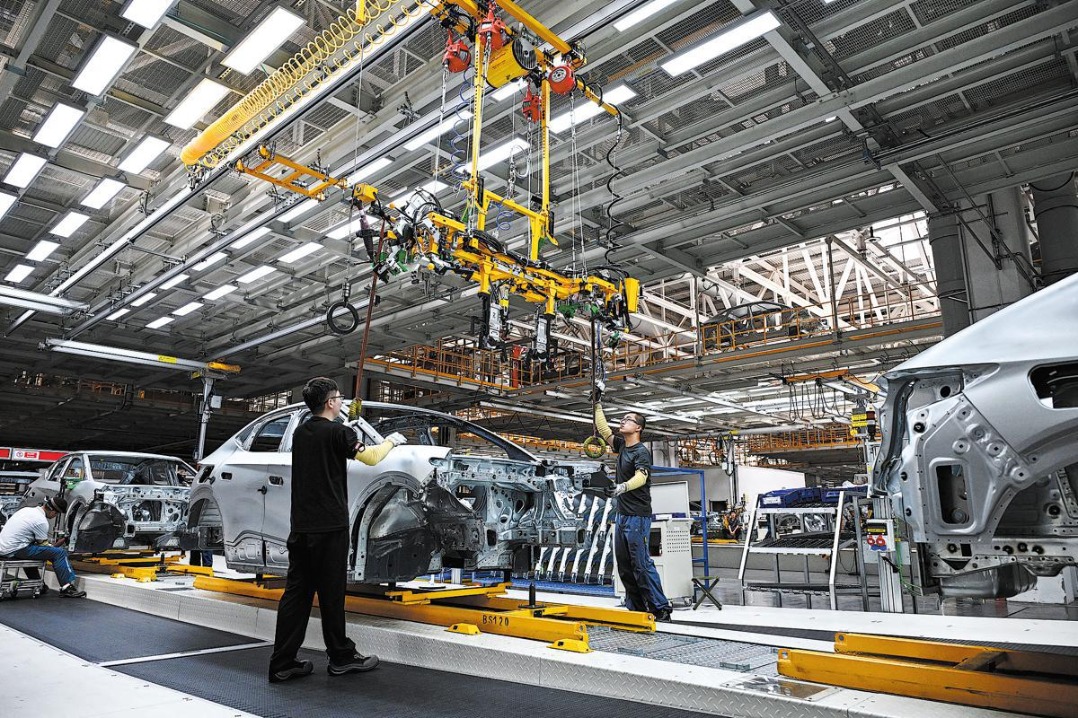
Take the global solar market. When the United States imposed tariffs on solar panels imported from China — one of the most cost-efficient producers — the aftershocks rippled across continents. According to YiCai Global, China's solar sector is now clouded by uncertainty, with large-scale projects facing cancellations or indefinite delays. This isn't just a bilateral dispute. It's a setback for the Global South, which relies heavily on affordable Chinese solar technology to meet basic electrification and climate goals.
Tariffs are not just redirecting supply chains or nudging up inflation — they're quite literally blocking the sun.
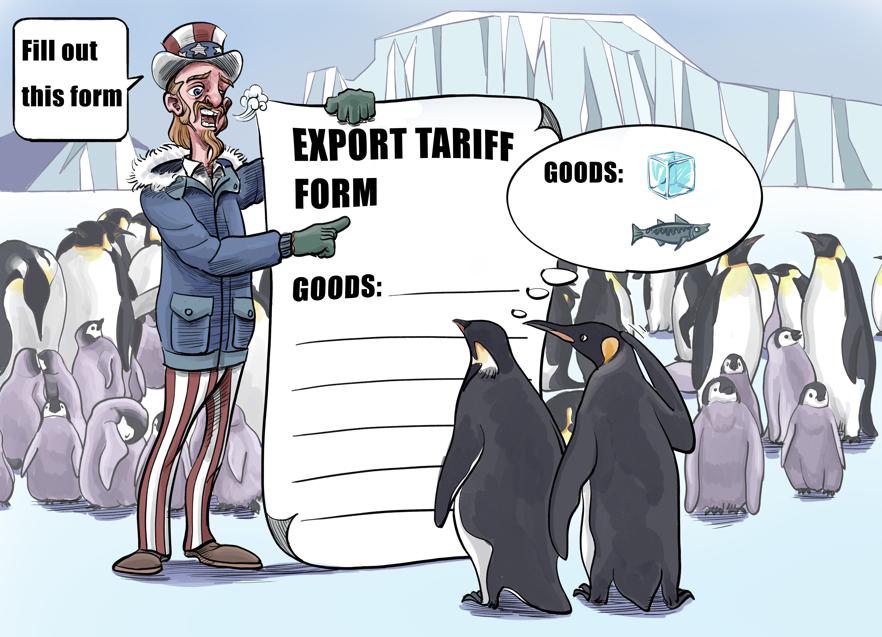
More confounding are the unintended consequences of blanket tariff policies. Wired recently reported on US tariffs that apply even to Antarctica — a region populated not by humans but by penguins. While seemingly absurd, it reveals a deeper flaw: when trade policies become sweeping and indiscriminate, they often lose sight of logic and purpose. The collateral damage isn't only economic; it's environmental. Clean energy investments shrink, markets destabilize, and the fragile web of international climate cooperation begins to unravel.
This protectionist turn didn't begin overnight. The US launched aggressive trade wars that introduced sweeping tariffs on steel, aluminum, and hundreds of other goods. The Conversation noted how these moves prompted global retaliations, supply chain disruptions, and enduring inflationary effects. But beyond the headlines lies a quieter crisis: the throttling of green innovation.
Tariffs constrained access to technologies vital to the clean energy transition — from EV batteries to solar panels to rare earth minerals. These are the building blocks of a sustainable future, and in the name of short-term political wins, their flow was restricted just as global momentum for climate action was gathering pace.
Now, environmentalists and policy experts are bracing for a possible second wave of tariff-driven disruption. The fear isn't just economic — it's temporal. In the climate fight, time is everything, and policy delays can be as destructive as environmental disasters.
The climate crisis, after all, recognizes no borders. Rising seas don't pause at customs. Droughts don't wait for trade negotiations. Yet our policies continue to draw hard lines in a world that requires unprecedented unity. Every protectionist step widens the gap between economic self-interest and the collective environmental good.
Meanwhile, inflation adds another layer of complexity. As countries face rising living costs — often exacerbated by disrupted supply chains and tariffs — governments understandably pivot toward short-term economic firefighting. But the price is steep. Climate budgets are cut. Green energy subsidies are deferred. Emissions targets are quietly revised. In this environment, sustainability isn't just deprioritized — it's sacrificed.
But it doesn't have to be this way.
Trade can be redesigned to support — not sabotage — climate progress. Instead of punishing the flow of green technologies, global leaders must work toward trade frameworks that reduce cost barriers, reward innovation, and embed climate cooperation into economic agreements. Tariffs should not be used as walls to block progress; they should serve as levers for equity, sustainability and collaboration.
Time is running out. The climate clock is ticking faster than our policy apparatus is evolving. The world cannot afford to solve a borderless crisis with fragmented, nationalistic tools.
If we are to overcome a planetary emergency, our solutions — economic, environmental and diplomatic — must move in the same direction. Climate change does not recognize borders, and neither should our trade policies.
Masood Chaudhary is a journalist and strategic affairs analyst specializing in global economic policy and environmental diplomacy. The views don't necessarily represent those of China Daily.
If you have a specific expertise, or would like to share your thought about our stories, then send us your writings at opinion@chinadaily.com.cn, and comment@chinadaily.com.cn.