Buzzing for a cause - celebrating World Bee Day and its vital message







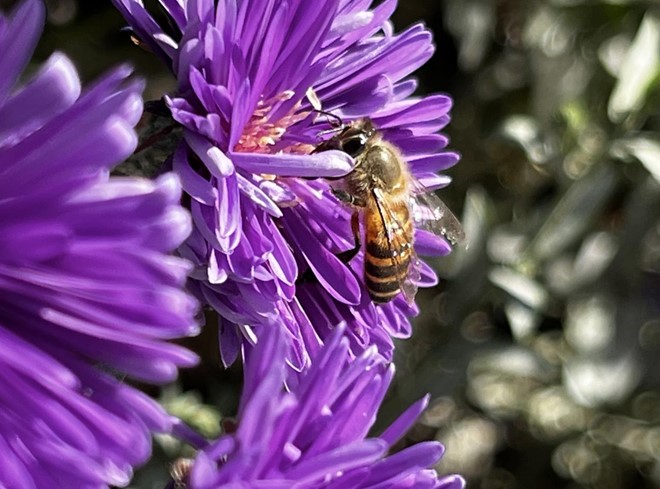
Since the winter of 2024, US commercial beekeepers have experienced unprecedented losses, with an average of 60 percent of honeybee colonies perishing—more than double the typical annual rate of 30 percent. This die-off, the worst on record, has raised alarms across the agricultural sector, which relies on honeybees to pollinate over 100 crops worth about $18 billion annually. Researchers have yet to identify a single cause, though contributing factors may include pesticide exposure, parasitic Varroa mites, and potentially new viruses. The crisis has left beekeepers scrambling to meet pollination demands and could result in financial losses totaling hundreds of millions of dollars.
This is far from an isolated incident. In fact, honeybee populations have been in decline across the globe for the past few decades. Growing concerns over bee health have led to significant policy actions, including the European Union's 2018 ban on three neonicotinoid pesticides linked to pollinator decline. In Brazil, an estimated 500 million bees died over just a few months in 2018 and 2019, with studies pointing to widespread pesticide use (particularly neonicotinoids and glyphosate) as a likely cause. These alarming trends have helped elevate insect biodiversity and pollinator protection to a critical focus in global environmental policy discussions.
The dramatic global decline in bee populations represents an ecological crisis driven by a complex web of external pressures. Chief among these are habitat loss and fragmentation, as well as the widespread, indiscriminate use of pesticides, particularly neonicotinoids and organophosphate insecticides (like Chlorpyrifos), which have been strongly linked to pollinator decline. In addition, climate change is disrupting flowering cycles and increasing the frequency of extreme weather events, while the spread of pathogens and parasites due to human activity, combined with nutritional stress from monoculture farming systems, poses further significant threats to bee survival.
May 20 is celebrated as World Bee Day, a day dedicated to raising awareness about the crucial role that bees play in pollination and maintaining biodiversity. The date was chosen to honor the birthday of Anton Jan?a, a pioneer of modern beekeeping in the 18th century, who made significant contributions to the development of beekeeping techniques. World Bee Day was officially established by the United Nations in 2017 to highlight the importance of protecting bee populations, which are facing numerous threats, including habitat loss, pesticide exposure, and climate change. The day serves as a reminder of the vital ecological service bees provide in pollinating plants, including many crops that are essential for human food production.
As the world's most efficient pollinators, Bees are crucial to 76 percent of food crops and 84 percent of wild plants, including key economic crops such as apples, blueberries, and almonds. Without bee pollination, yields could dramatically decline or even fail. In Beijing's Miyun district, bee pollination directly boosts fruit and vegetable production by over 800 million yuan annually. Bees also play a critical role in maintaining the stability of the food chain and are considered "environmental sentinels", reflecting ecosystem health. Beyond pollination, bees provide valuable products such as honey, propolis, and royal jelly, widely used in food, medicine, and cosmetics. Protecting bees plays a key role in advancing sustainable agriculture and maintaining healthy ecosystems, helping to strike a balance between economic growth and environmental protection.
I'm encouraged by the growing global attention to pollinators' biodiversity and its influence on environmental policy. From April 28 to May 9, 2025, during the joint Conference of the Parties (COPs) to the Basel, Rotterdam, and Stockholm Conventions in Geneva, we witnessed a significant step forward: the COPs to the Stockholm Convention adopted the decision to list chlorpyrifos (a widely used organophosphate insecticide) in Annex A of the Convention, thereby agreeing to a global phase-out of its uses. Chlorpyrifos is widely recognized for its persistence, bioaccumulation, and toxicity, with demonstrated harms to pollinators, potential neurodevelopmental effects, and possible links to cancer. Even at low doses, it impairs honeybee behavior and nervous systems, posing serious risks to ecosystems and agriculture.
However, these efforts are still far from enough. Global biodiversity is declining rapidly, and the crisis facing bees is just one example. We should take inspiration from the cooperative nature of bees and work together to strengthen our global response. Only through collective action can we slow the pace of the sixth mass extinction. With that in mind, I would like to offer a few suggestions.
First, mainstreaming biodiversity. We need to shift the aesthetic preferences shaped by industrial civilization. Biodiversity conservation often prioritizes visually appealing or charismatic species (eg. panda, Crested Ibis), while insects, including wild bees, receive far less attention. Yet their ecological roles are critical. We shall give insect biodiversity the importance it deserves based on its function in sustaining ecosystems. Communicating the impact of wild bee decline on ecosystem stability, food security, and human well-being is essential to drive public awareness, policy change, and meaningful resource investment.
The second common pitfall is that seeking quick fixes, which can cause long-term harm when nature is treated as a backdrop, not a system. During the recent May Day holiday in the Qinling Mountains, a swarm of insects disrupted tourists near a cable car station. The rapid use of insecticide solved the nuisance—but at what cost? This was the height of pollination season, and no effort was made to identify the insects or assess their role in the ecosystem. Managing such events with a purely reactive mindset can damage food webs and undermine ecological resilience. Without scientific diagnostics or early warning systems, such interventions risk solving surface problems while ignoring deeper ecological imbalances.
Third, farming can work with nature, not against it. Nature-based Solutions (NbS), such as letting weeds and wildflower strips and hedgerows stay (instead of removing them), support bees by providing food and nesting space. Cutting back on harmful pesticides, diversifying crops, and encouraging organic methods are practical steps. These actions not only support pollinators but also make agriculture more sustainable and resilient to future environmental stress. I saw a very good example: Beijing's Purple Bamboo Park has designated special areas for insect breeding, offering the public an excellent showcase about biodiversity.
In cities, even a small patch of wild vegetation can be a vital refuge for pollinators. Yet urban landscaping often relies on heavy interventions (eg.removing weeds, over-trimming, and using non-native ornamental plants), reducing habitat diversity and disrupting ecological balance. Many of the plants labeled as "weeds" are actually important sources of food and shelter for insects like bees. To support biodiversity, cities need to shift toward more ecological approaches that allow native plants to grow and minimize chemical use. In one example, Peking University, located in a densely populated area of Beijing, has established a campus conservation area where wild plants are allowed to grow and pesticides are avoided. This is a promising model for how urban spaces can be managed in a more nature-friendly way.
Last but not least, modern technology can bring bees into focus like never before. AI tools now allow researchers to monitor hive health in real time, detecting early signs of disease or decline through visual, acoustic, and thermal data. Combined with GPS tracking, scientists can map bees' foraging routes and habitat preferences, revealing where conservation is most needed. These insights can guide smarter, targeted actions -- from pesticide management to flower planting -- to better protect pollinators where they need it most.
The author is deputy secretary-general of the China Biodiversity Conservation and Green Development Foundation and a member of the IUCN Intersessional Council Working Group on the development of a new 20-year Strategic Vision for the Union.
The views don't necessarily reflect those of China Daily.
Contact the editor at editor@chinawatch.cn.