Stimulus aimed at driving consumption
Monetary, fiscal measures part of playbook to steady uncertainties







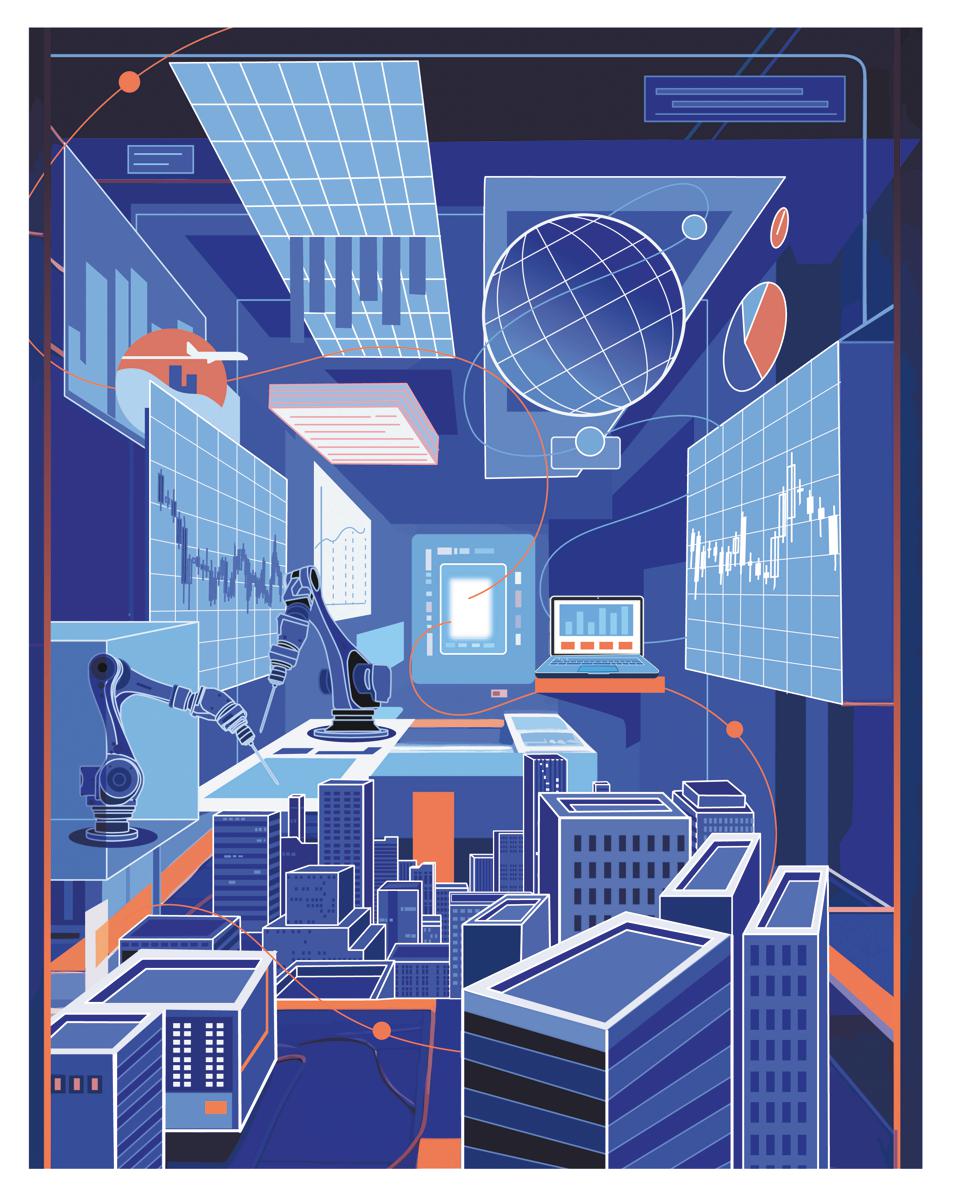
China has unveiled a stronger-than-anticipated financial stimulus package amid rising external uncertainties and the need to shore up domestic demand, aiming to help anchor market expectations and steer the country toward its annual growth target of around 5 percent.
Analysts believe China still has ample policy space and flexibility to deploy greater monetary and fiscal actions should the evolving situations call for them, including bolder cuts to interest rates and enhanced fiscal support for consumption and trade-affected businesses.
The package introduced earlier this month included interest rate cuts, liquidity injection and targeted funding for consumption and technological innovation — steps aimed at strengthening credit expansion, stabilizing the property market and boosting capital market resilience.
The People's Bank of China, the country's central bank, announced a 0.5 percentage point reduction in the reserve requirement ratio, which determines the amount of cash banks must hold in reserves. The decision is expected to inject around 1 trillion yuan ($138.2 billion) of long-term liquidity into the market.
The country cut seven-day reverse repurchase rates by 10 basis points to 1.4 percent from 1.5 percent, said Pan Gongsheng, governor of the bank, adding that the measure is expected to bring down the loan prime rate, the main policy rate, by around 10 basis points.
Pan also announced measures to support financing for several key sectors, including technology and real estate, along with the establishment of a 500-billion-yuan relending tool for consumption and elderly care.
"The first quarter's positive economic data is now in the rearview mirror," said Shen Jianguang, chief economist at Chinese e-commerce platform JD. "As we move into the second quarter, the impact of the tariffs imposed by the United States has been brought to the fore, and the effects of some policy measures are beginning to wane."
It's vital that Chinese policymakers be well-prepared for the worst-case scenarios and increase policy support, Shen added.
The combined package of measures, similar to those in September, has sent a clear signal that Beijing is willing to take decisive action to stimulate growth and cushion the economy against external shocks.
"These policy measures will supply financial institutions with ample, low-cost medium to long-term funds, which will be favorable for reducing their funding costs and stabilizing net interest spreads," Governor Pan said.
"As the policy effects permeate through to the real economy, we can expect to see a stabilization and gradual decline in the comprehensive social financing costs, which will help to reinvigorate market confidence and effectively bolster the stable growth of the real economy," he added.
Analysts expect the central bank is likely to continue with interest rate cuts and RRR reductions in the second half of the year, as the trade negotiations between China and the US may go through a turbulent and lengthy process while inflation remains subdued domestically.
Wen Bin, chief economist at China Minsheng Bank, said the central bank may have room for an additional 50 basis point RRR cut within this year, which would release more medium to long-term funds to meet market demand.
The latest interest rate reduction, while relatively moderate, reflects the central bank's cautious approach as it navigates the ongoing digestion of previous policy effects and strives to maintain a balance between domestic and external conditions, Wen said.
"Once the US Federal Reserve clearly reboots its interest rate cutting cycle, China will have further policy space to act," Wen said. "There could be an additional 20 basis points or so of interest rate cuts within this year."
In addition to overall monetary easing, the PBOC also unveiled some focused tools designed to support key areas such as technological innovation, consumption expansion and inclusive finance.
Pan said: "Monetary policy is primarily a tool for managing the overall quantity of money and credit, but many of the issues in China's economic operation are structural. Without fixing structural issues, aggregate measures alone cannot deliver effective results."
China's economic policy focus is currently on boosting consumption, with the service sector being a key area for consumption upgrades and expansion, Pan said, underscoring the 500-billion-yuan relending facility to support service consumption and elderly care.
Meanwhile, the PBOC will add the quota of relending for technological innovation and upgrading by 300 billion yuan to a total of 800 billion yuan, and add 300 billion yuan in relending to support agriculture and small businesses, according to Pan.
Financial tools alone might not be enough, fiscal firepower should also be scaled up in tandem, experts said, noting that these monetary policy actions have laid the groundwork for further fiscal measures to support the real economy in the third quarter.
Wang Qing, chief macroeconomic analyst at Golden Credit Rating International, said the key focus of China's current fiscal policy is to accelerate the pace of spending, appropriately bringing forward some of the fiscal expenditures planned for the second half of the year to the second quarter, in order to fully stimulate domestic demand.
The strategic front-loading of fiscal spending and bond issuance will create additional policy space for the government to implement further stimulus measures in the second half of the year, if necessary, Wang added.
Shen, the chief economist at JD, said that the trade-in policy has proven effective in boosting the consumption of durable goods. Policymakers could earmark additional fiscal funds to extend a similar approach to the service sector, which could deliver significant benefits.
In the first quarter of the year, retail sales of services grew by 5 percent year-on-year, outpacing the growth rate of goods retail by 0.4 percentage points, data from the National Bureau of Statistics showed.
Services consumption not only has a higher frequency of usage but also presents substantial untapped potential that can be cultivated through focused policy initiatives, Shen said.
The government could also take a more forceful step by channeling State-owned capital into the social security fund, as enhancing the social safety net can free up household disposable income and encourage more consumption, Shen added.
The issuance of local government special-purpose bonds or special treasury bonds could be considered for the purchase of idle land and unsold residential properties to facilitate the stabilization of the real estate market, Shen said.
Shen noted that in the aftermath of the COVID-19 pandemic, a key factor behind sluggish consumer spending has been the slowdown in income growth. Among the main sources of household income, property-related income has seen the sharpest decline.
These efforts are not only about shoring up the property sector itself, but also have broader implications for household wealth and consumer spending, which are crucial to the country's economic recovery, Shen said.
wangkeju@chinadaily.com.cn






- Fire relief allowance doubled to HK$100,000 for affected families in Hong Kong
- HK may ban smoking at building sites
- Academicians pledge to advance scientific innovation
- New records substantiate truths of war
- Flu activity in China rising, cases likely to peak soon
- Conceptual design of nuclear-powered icebreaker unveiled