Chinese beverage, snack companies going overseas
Firms find it crucial to respect, adapt to local markets' consumer habits







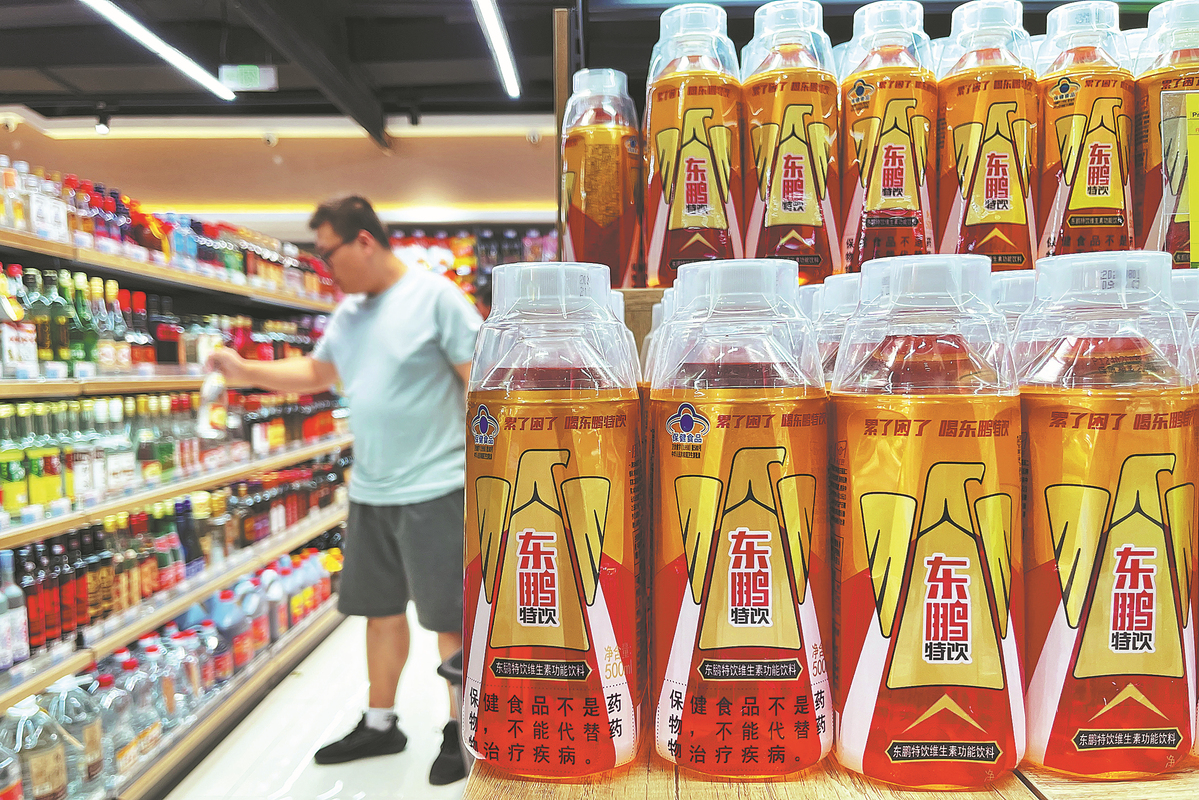
In 2023, Eastroc Beverage began charting a path into international markets. The company, which has built a stronghold in China's competitive energy drinks sector, is now seeking to replicate its success abroad, eyeing markets from Southeast Asia to the Middle East. Its moves signal a larger movement — an accelerating wave of Chinese beverage and snack brands venturing overseas, not just to serve Chinese consumers abroad, but to win over other fans.
When Eastroc Vice-President Hu Yajun was appointed to head the company's international business unit two years ago, the original idea was straightforward — sell to overseas Chinese communities familiar with Eastroc's core product, the iconic yellow-can energy drink.
But Hu quickly realized that to truly go global, the company needed to shed that mindset.
"At first, our idea was simple — target the overseas Chinese community," Hu said in an interview during the recent FBIF 2025 Food and Beverage Innovation Forum in Shanghai. "But very quickly, I realized that wasn't the future. True globalization means entering mainstream local markets and becoming a daily product for local consumers."
That shift in thinking has become the foundation of Eastroc's international strategy. While the company still sees growth potential in China's domestic market over the next three to five years, Hu and his team are treating overseas expansion as the company's "second growth curve" — a hedge against the maturing, increasingly saturated beverage landscape at home.
To guide this effort, Eastroc has developed a five-part framework. On the supply chain, especially for countries like Indonesia and Vietnam, Eastroc plans to localize production to avoid the high cost of exporting from China. The company is currently building a $200 million manufacturing and logistics hub near Jakarta, with the aim of turning Indonesia into both a consumer and supply chain base for the region.
Second is market size and growth potential. Indonesia, with its population nearing 300 million, and Vietnam, with 100 million, are youthful markets with GDP growth rates outpacing China's.
"These are dynamic economies where we see explosive potential for functional beverages," Hu said.
The third factor is the local business environment and the perception of Chinese products. "In the past, Chinese brands might have struggled with image issues," said Hu. "But that's changing fast. Young consumers in places like Vietnam and Indonesia are far more open to Chinese brands than a decade ago. That gives us confidence to go deeper into these markets."
Fourth is pricing. Eastroc is careful not to simply copy its Chinese pricing model. "We benchmark against local products, looking at their entire value system — not just pricing but packaging, distribution, brand equity — and build our overseas strategy accordingly," Hu said.
The final piece is internal capacity. Hu described the current international team as still growing. "So we have to choose markets where we're confident we can execute, learn quickly and scale fast."
Unlike electronics or apparel, beverages face stricter regulatory hurdles that limit flexibility.
"With other products, you might label in Singapore or reroute via Malaysia. With drinks, there's no such shortcut. The packaging and approval process is far more rigid," he said.
Despite these challenges, Eastroc is pursuing a multi-model approach across regions. In Vietnam and Indonesia, it has set up wholly owned subsidiaries and sales teams. In Malaysia, it is exploring joint ventures. In other parts of the world, it continues to use distributors and local partners to test the waters. The company is also looking into franchising models, inspired by how Coca-Cola has built separate brand and bottling entities.
Hu said the process has not been without its growing pains. "If I could do it over, I'd start building the international team earlier and focus more on building overseas management talent and product development," he said. "We need to respect local consumer habits. We're not just exporting a Chinese product — we're co-creating something that works for that local market."
Eastroc's global ambitions are emblematic of a wider movement in China's consumer goods sector. From snack makers to dairy brands, a growing number of Chinese companies are looking overseas — not just as exporters, but also as competitive brand builders. The trend is especially visible in Southeast Asia, where demographic and economic factors mirror a younger version of China itself.
Localization is key. In May, Chi Forest collaborated with Disney's iconic animated character Stitch to launch the Chi Forest "Stitch Limited Edition" sparkling water in the Indonesian market. This marks the first co-branded product launched by Chi Forest overseas.
In Indonesia, the beverage company collaborates with leading local convenience store chains Indomaret and Alfamart, as well as top supermarket names Lion Superin and Yogya Group, covering over 40,000 retail outlets.
To meet the diverse market demands globally, Chi Forest established a "super factory" in Zhaoqing, Guangdong province, in 2020. The plant, characterized by its wall-less open design, double-layer steel structure, automated storage and first-class wastewater technology, is primarily used for exports to Southeast Asia.
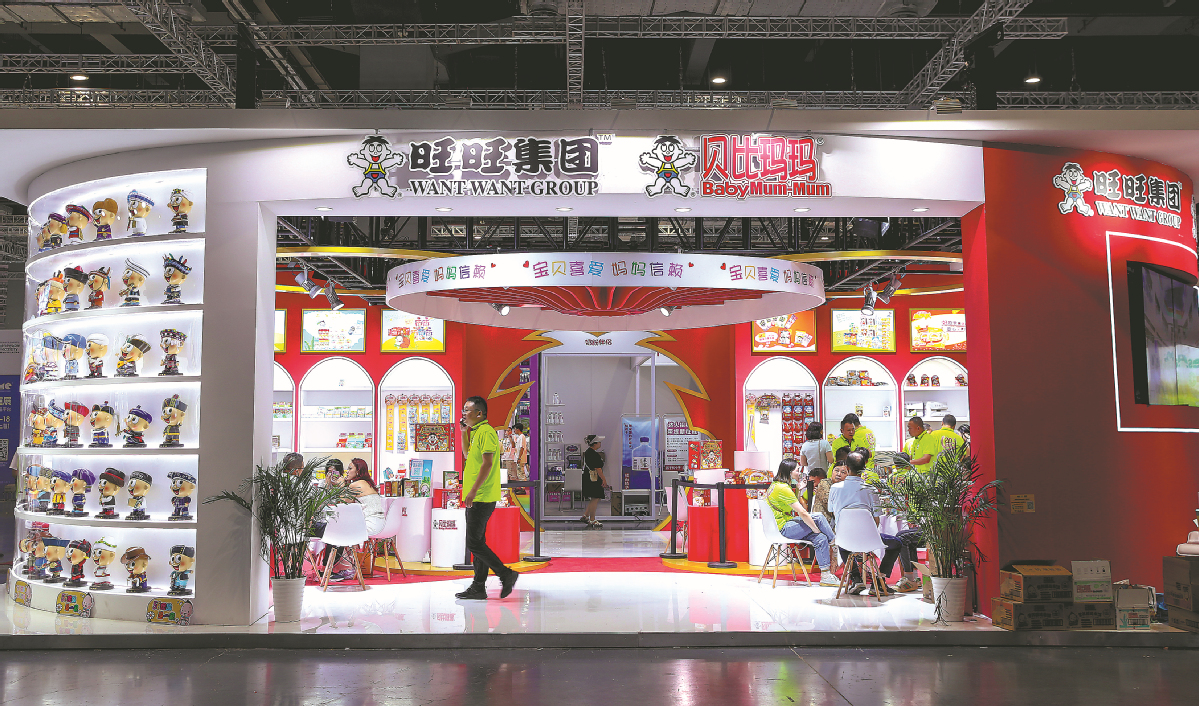
For snack companies such as Want Want, known for its rice crackers and flavored milk, it has seen steady double-digit growth in overseas markets, which now contribute around 20 percent of its rice snack revenue. QiaQia Food has turned its Operations in Thailand into a profit engine, generating nearly 400 million yuan ($55.6 million) in revenue and nearly 90 million yuan in net profit in 2023. Panpan Food, another Chinese snack giant, exported over 100 million yuan worth of products to Indonesia last year.
For Eastroc, the goal is not just to survive abroad, but to thrive. The Jakarta hub is just the beginning. Over time, the company hopes to build a global network of factories, distribution centers and research and development teams capable of launching new products designed specifically for local consumers.
Still, Hu said remaining humble is vital to success overseas.
"No matter how strong your brand is domestically or how high you've risen in your home market, stepping into a new mainstream market abroad means starting from scratch," he said. "It's crucial to respect and adapt to the local market's consumer habits. Only with this humble attitude can you truly reset and uncover opportunities."