Reflections on World Environment Day 2025








Countries worldwide are grappling with major environmental challenges, including climate change, biodiversity loss, deforestation, and poor resource management. Among these pressing issues, a key concern is the rapid rise in plastic production and usage, which significantly contributes to global pollution and demands urgent attention and collective action.
This growing crisis sets the stage for renewed global efforts to tackle plastic pollution head-on. As the world commemorates World Environment Day 2025 under the theme "Beat Plastic Pollution", governments, industries, and communities are rallying together to combat one of the greatest environmental threats of our age.
Plastic pollution remains a formidable global threat. In 2024 alone, humans produced 400 million tons of plastic waste. By 2060, this figure could triple to over one billion tons annually. About 85 percent of plastic waste ends up in landfills or the environment, much of it non-biodegradable.
Originating in the early 20th century, plastic production has surged from 1.5 million tons in 1950 to over 413 million tons by 2023. Single-use plastics, synthetic fibers, and packaging account for a significant share of this growth. As the environmental consequences of this rapid expansion become increasingly evident, global concern over plastic pollution has intensified. It contributes not only to soil contamination, water acidification, to ocean degradation but also to climate change, as plastics is derived primarily from fossil fuels. When improperly discarded, plastics break down into micro plastics, contaminating ecosystems and entering the food chain. In this regard, increased attention is now being paid to countries in Asia. The special measures adopted by several of these countries serve as a precedent for others.
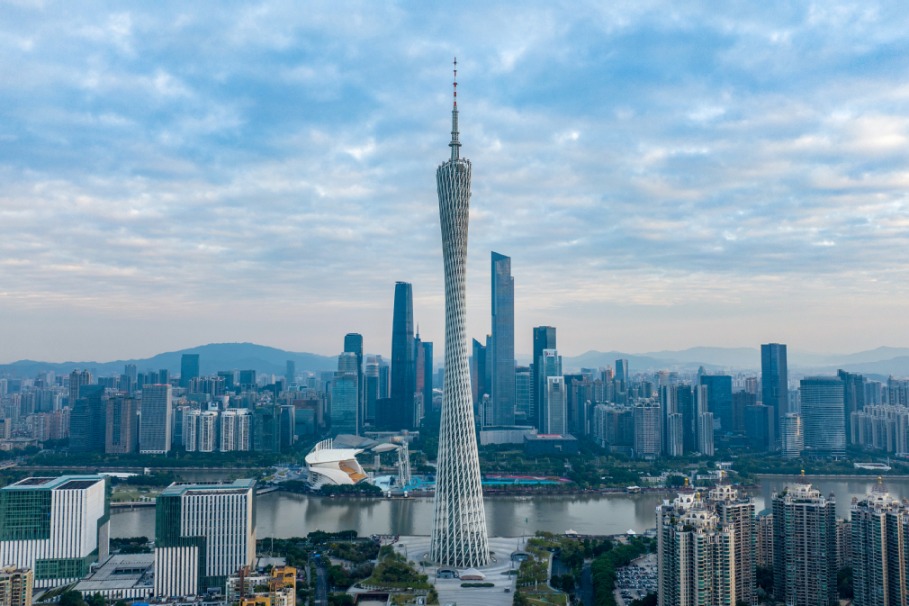
China's response to the plastic crisis is framed within its far-reaching "Beautiful China" initiative, aimed at achieving carbon neutrality, reducing pollution, and fostering green growth. Since its inception in 2012, the initiative has grown into a comprehensive national strategy that integrates technology, governance, and public participation.
China now utilizes cutting-edge solutions such as AI, big data, and carbon capture to monitor pollution levels and enforce regulations. Cities like Shanghai have introduced strict waste-sorting systems, achieving compliance rates above 90 percent within a year as a testament to the effective combination of enforcement and public education.
Meanwhile, the rapid expansion of electric vehicle manufacturing industries underscores China's commitment to low-carbon development. Furthermore, the Chinese government's incentives for low-carbon development have encouraged private innovation and strengthened a multi-stakeholder model for sustainability.
Public mobilization for lasting change
India's message to the world echoes Gandhi's timeless words: "Earth provides enough to satisfy every man's needs, but not every man's greed." The country's evolving policies reflect this principle as it pushes toward a more sustainable future.
India, producing nearly 9.5 million tons of plastic waste annually, has taken decisive action through its "One Nation, One Mission: End Plastic Pollution" campaign. This mass mobilization effort champions eco-friendly alternatives and is reshaping public behavior across urban and rural communities alike.
On the ground, initiatives encourage a switch to cloth bags, plant-based packaging, and biodegradable containers, while pushing for stricter legislation and educational reform. However, challenges remain: India continues to face a shortage of skilled professionals in circular manufacturing. Addressing this, the government is now investing in green vocational training programs.
Vietnam has taken a community-led approach to plastic pollution, supported by national policies and global partnerships. Cities such as Qu?ng Ninh, ?à N?ng, and Ho Chi Minh City have successfully implemented waste separation, plastic-free zones, and green markets.
Vietnamese industries are rapidly transitioning to biodegradable materials and recycled packaging, particularly in industrial parks, where circular economy models are already reducing environmental impact. However, the challenge remains significant, especially along the country's coastal areas, where ocean-borne plastic continues to accumulate. Nonetheless, through education campaigns, cleanup drives, and strong local governance, Vietnam is proving that environmental protection is both a national objective and a grassroots mission.
Sri Lanka, too, is embracing the call to action. The Clean Sri Lanka Project aims to foster nationwide environmental stewardship, beyond political and institutional boundaries. The program emphasizes plastic reduction, renewable energy, water conservation, biodiversity protection, and green entrepreneurship. With alarming statistics placing Sri Lanka among the top five countries contributing to ocean-bound plastic waste in 2017, the need for action is urgent. Common waste items include plastic straws, sachets, lunch sheets, milk packets, and yogurt cups, highlighting the urgent need for lifestyle and policy shifts.
The Clean Sri Lanka initiative seeks to inspire citizen participation, eco-conscious industry practices, and transparent governance. It envisions a society where environmental cleanliness and civic pride go hand-in-hand, uniting all sectors from public service to nongovernmental organizations to private businesses under a shared national mission.
The global stage
Hosting World Environment Day for the second time, South Korea has positioned itself as a model of sustainable waste management. Jeju Island, the focal point of 2025's celebrations, requires residents to sort waste at the source, promotes reuse, and aims to be plastic-free by 2040.
South Korea's systematic recycling and reuse programs reflect decades of investment in environmental reform. In 2024, the country hosted the UN Plastics Convention (INC-5) in Busan, further amplifying its commitment to ending plastic pollution.
International initiatives such as the SEA Circular Programme (2018–2024), led by the United Nations Environment Programme's Asia-Pacific office and supported by the government of Sweden, continue to pave the way for market-based solutions to marine plastic pollution. The SEA Circular initiative works closely with key Southeast Asian nations—Cambodia, Indonesia, Malaysia, the Philippines, Thailand, and Vietnam—to address the region's escalating plastic waste crisis.
Recognizing that existing waste management systems are often inadequate to manage the rising volumes of plastic, the project adopts a lifecycle approach. This includes promoting sustainable production practices, encouraging responsible consumption, and strengthening infrastructure for the collection, sorting, and recycling of plastic waste. Through these targeted efforts, SEA Circular aims to drastically reduce plastic leakage into the ocean, thereby safeguarding marine ecosystems and supporting the health and livelihoods of coastal communities. However, the crisis remains far from resolved. The magnitude of global plastic production and the associated environmental impacts call for urgent and coordinated international action.
World Environment Day 2025 will be held on June 5 in Jeju Island, South Korea, and it will be more than just a festive occasion—it serves as a global rallying point for transformative action. Communities around the world are demonstrating that meaningful progress is possible through bold leadership and united action to protect the Mother Earth.
Each of us can play a vital role in reducing and ultimately ending plastic pollution. One of the most effective ways to prevent plastic pollution is by minimizing the production and use of unnecessary plastic from the start. As individuals, we can make a meaningful impact by refusing single-use plastics, opting for reusable alternatives, and supporting businesses that prioritize sustainability for healthier environment.
The author is a freelance writer for leading National Level (Sinhala) newspapers and magazines in Sri Lanka. The opinions expressed here are those of the writer and do not necessarily represent the views of China Daily and China Daily website.
If you have a specific expertise, or would like to share your thought about our stories, then send us your writings at opinion@chinadaily.com.cn, and comment@chinadaily.com.cn.