International students are indeed blessings, not threats







In the past, I've been critical of the BBC's reporting on China and the Hong Kong Special Administrative Region. Too often I have found it unbalanced or distorted, uncritically adopting the hostile Western narrative. It was refreshing, therefore, to read a recent BBC article under the headline: Students or Spies? The Young Chinese Caught in Trump's Crosshairs.
The piece deals sympathetically with the human impact of Washington's announcement that it would "aggressively" revoke the visas of Chinese students at universities in the United States. The response of one student typifies the sense of injustice and disappointment. Despite already having an acceptance letter, she was told at her visa appointment that her application had been rejected, with no reason being given. Using a common Chinese expression, she lamented the helplessness of her situation: "I feel like a drifting duckweed tossed in wind and storm."
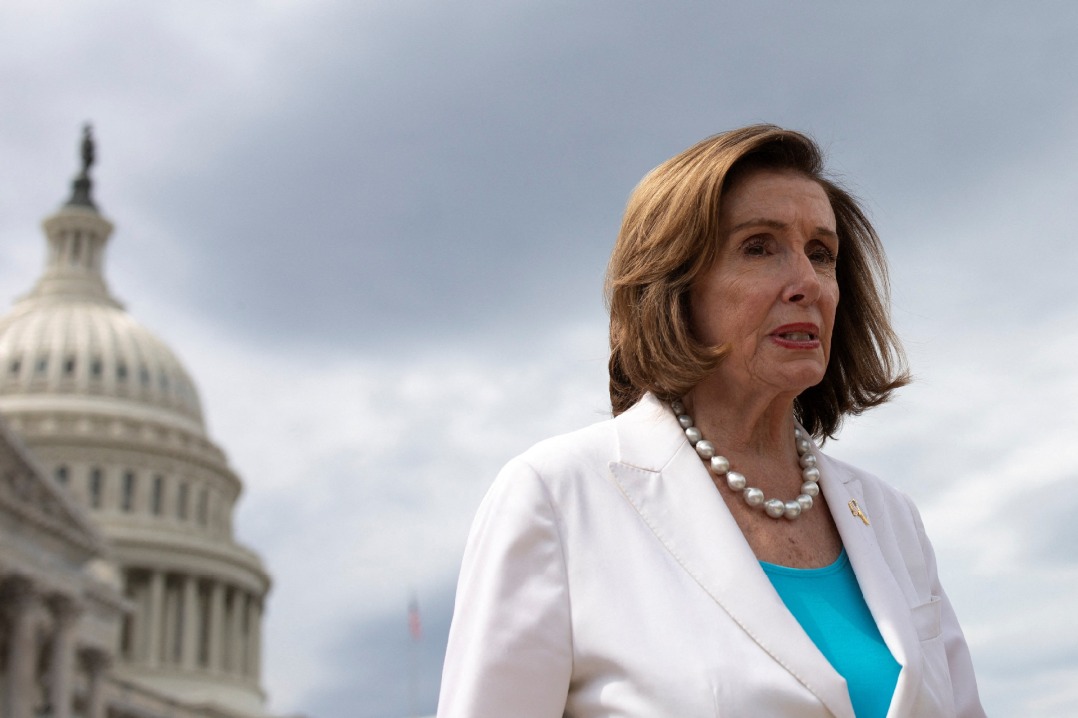
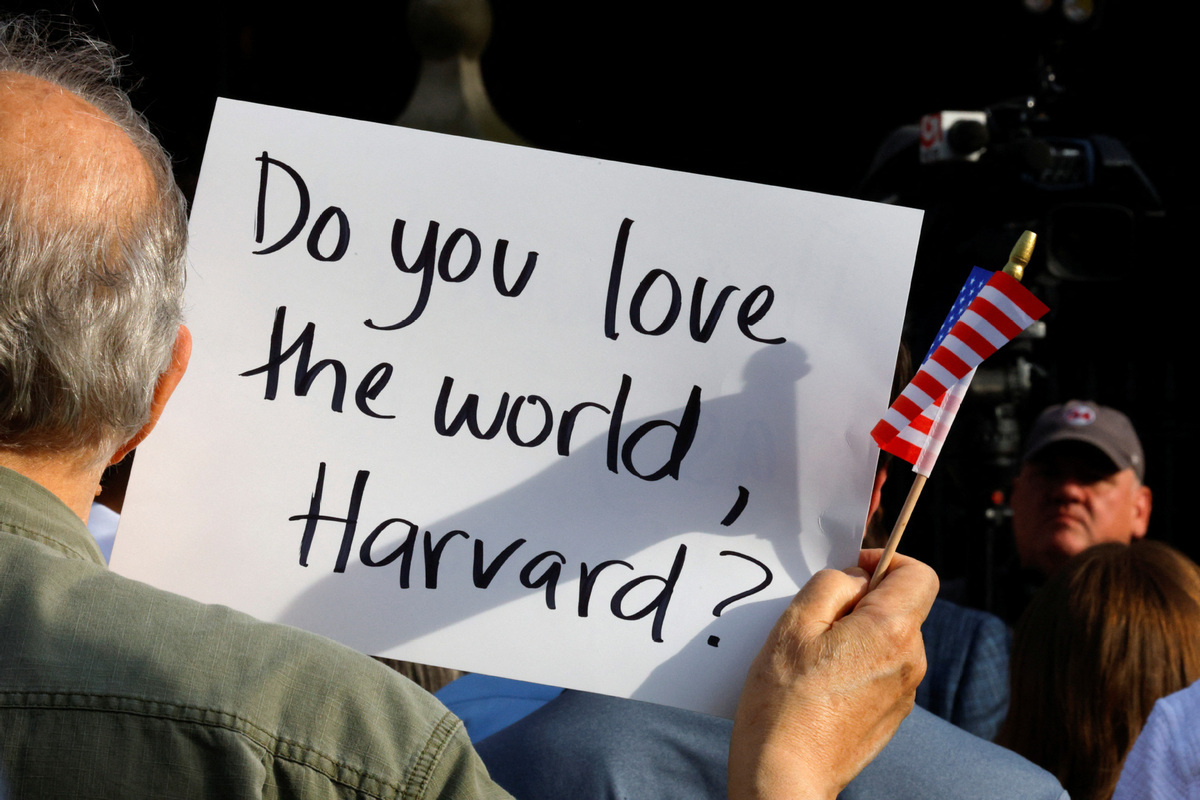
Following US President Donald Trump's attempt to prohibit the enrollment of international students at Harvard University, his administration is now targeting all foreign students and especially those from China. Homeland Security Secretary Kristi Noem has accused Harvard of coordinating with the Communist Party of China, while Secretary of State Marco Rubio has specified that the move against Chinese students would include "those with connections to the CPC or studying in critical fields". As the BBC points out, this could hit "a wide swath" of students, given that "membership of the CPC is common among officials, entrepreneurs, businesspeople and even artists and celebrities in China".
The US policy reminds me of McCarthyism in the 1950s, when spy paranoia was rampant and the key question asked of suspects was: "Are you now or have you ever been a member of the Communist Party?" It seems that the US has learned nothing from these long-discredited witch hunts.
The underlying assumption behind the targeting of Chinese students seems to be that they are somehow agents of the Chinese government, posing a threat to the US way of life and weakening US security. In reality, the opposite is true. International students are a blessing, not a threat. The more interchanges there are between students from different countries, the less likely it is that conflict will occur between those nations. It's much harder to demonize other countries when you've studied alongside and developed friendships with people from those countries.
If the US wants to strengthen its security, it should encourage international students rather than reject them.
Anyone who has attended an international school in Hong Kong or anywhere else in the world will recognize the truth of this. Mixing with students from different countries and cultures removes preconceived prejudices and undermines crude national stereotypes. Interacting, studying, socializing and laughing together is the best antidote to xenophobic propaganda.
One of the key concepts in international schools is that of "international mindedness". This emphasizes the importance of understanding, respecting and valuing different cultures and perspectives. It recognizes the interconnectedness of our world, embraces diversity, and fosters a sense of global citizenship and responsibility. These values, which permeate good international schools, are also apparent in universities with a strong representation of international students. They are essential for peace and harmony between nations. Far from posing a security threat, international students broaden outlooks, enhance intercultural understanding and promote global links. In so doing, they strengthen the security of all countries.
China has long recognized this truth, and until recently so had the US. After then-US president Richard Nixon's momentous visit to Beijing in 1972, Sino-US relations first thawed and then blossomed. Student exchanges became an important feature of this new relationship. They were initiated in 1978, when then-Chinese leader Deng Xiaoping took the decision to send 3,000 Chinese students a year to complete their education overseas, predominantly in the US. The US president at that time, Jimmy Carter, famously responded by saying: "Tell him to send 100,000." Under successive Democratic and Republican presidents, Chinese students were welcomed at US universities. Since 1978, at least 3 million Chinese students have studied in the US.
Their motivation was not, as we are now being asked to believe, to spy on or infiltrate the US. Rather, they wanted to expand their horizons, experience a different culture and learn from US expertise, particularly in the area of business. Self-interest and the Chinese national interest were happily aligned, with students returning home to put their skills and experience to good use in developing China's economy. However, the greatest benefit of these exchanges was without doubt the improved relations between the two countries. When both Chinese and US students returned home, they brought with them positive attitudes toward their host countries to counter the negativity that had once been the norm.
What we are now seeing under the Donald Trump administration is a reversal of this trend, with the US seemingly intent on turning China from a friend into an enemy. By targeting and rejecting Chinese students, Washington is removing a vehicle for goodwill and warm ties, and replacing it with a climate of suspicion and resentment. It reverses 40 years of promoting student exchanges and doubles down on the self-fulfilling prophecy that China is the US' enemy.
I hope that the BBC, along with other Western news organizations, will continue to publicize not only the human impact of the Trump administration's latest policy, but also the much deeper implications for international harmony and peace. China, meanwhile, needs to take the moral high ground, maintaining its internationalist outlook and continuing to champion student exchanges. Its clear message to the world should be that international students are indeed a blessing, not a threat.
The author is a British historian and former principal of Sha Tin College, an international secondary school in Hong Kong. The views do not necessarily reflect those of China Daily.