China and C. Asia light path to a new order







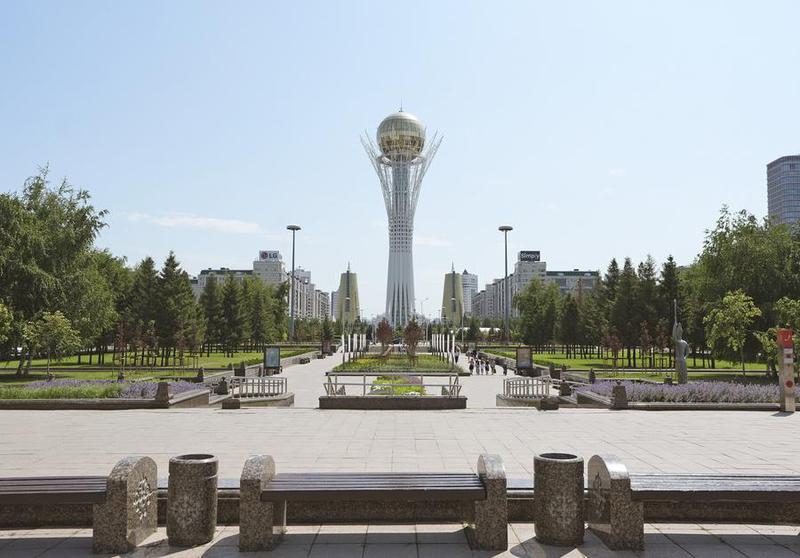
At the heart of Astana, Kazakhstan, under the expansive blue skies of Central Asia, President Xi Jinping's keynote address at the second China-Central Asia Summit offered far more than ceremonial rhetoric. It laid out an ambitious, confident and deeply strategic road map for a new regional order built on mutual respect, shared prosperity and collective security.
In an era of increasing global uncertainty, Xi's call for high-quality cooperation grounded in the China-Central Asia Spirit signals a potent and principled counter-narrative to the growing waves of protectionism, unilateralism and geopolitical fragmentation.
What makes the China-Central Asia relationship so compelling is its unique fusion of history and innovation.
As Xi noted, this partnership is rooted in over 2,000 years of friendly exchanges, cemented by solidarity and mutual trust cultivated through more than three decades of diplomatic ties.
But far from resting on historical laurels, the relationship is being actively transformed through new drivers of development including green technology, artificial intelligence, digital connectivity and cross-border trade.
The China-Central Asia Spirit, anchored in mutual respect, mutual trust, mutual benefit and mutual assistance, serves as both a moral compass and a practical guide for cooperation in the 21st century. Unlike alliances premised on coercion or hierarchy, this model is based on collaboration where all voices count. In a region marked by diverse political systems and historical legacies, this ethos of genuine equality is both rare and refreshing.
Over the past two years since the first China-Central Asia Summit in Xi'an, Shaanxi province, tangible progress has validated the promise of China-Central Asia cooperation. Trade has soared by 35 percent, with a diversified portfolio that now includes Chinese photovoltaic products powering Central Asian homes and Central Asian fruits and grains enriching Chinese kitchens.
Mega infrastructure projects once confined to concept papers are now realities. The launch of the China-Kyrgyzstan-Uzbekistan railway and progress on other transnational transport arteries, including the upgraded Trans-Caspian International Transport Route, are not just engineering feats but geopolitical breakthroughs. They are dissolving longstanding barriers to trade and mobility, opening up the heart of Eurasia, and reviving the ancient Silk Road with a modern twist.
Moreover, the integration of green mining, artificial intelligence and digital economies into the cooperation framework shows that the Belt and Road Initiative has today transformed into a living organism that evolves with the demands of our age.
Cultural exchanges
Perhaps the most profound part of Xi's speech lies in its human-centric vision. This is not a blueprint solely for State-led cooperation alone. It is a road map for building deep social and cultural linkages. From mutual visa exemptions between China and Uzbekistan and Kazakhstan to the establishment of cultural centers, Luban Workshops and academic institutions, China is investing not just in infrastructure but in mutual understanding.
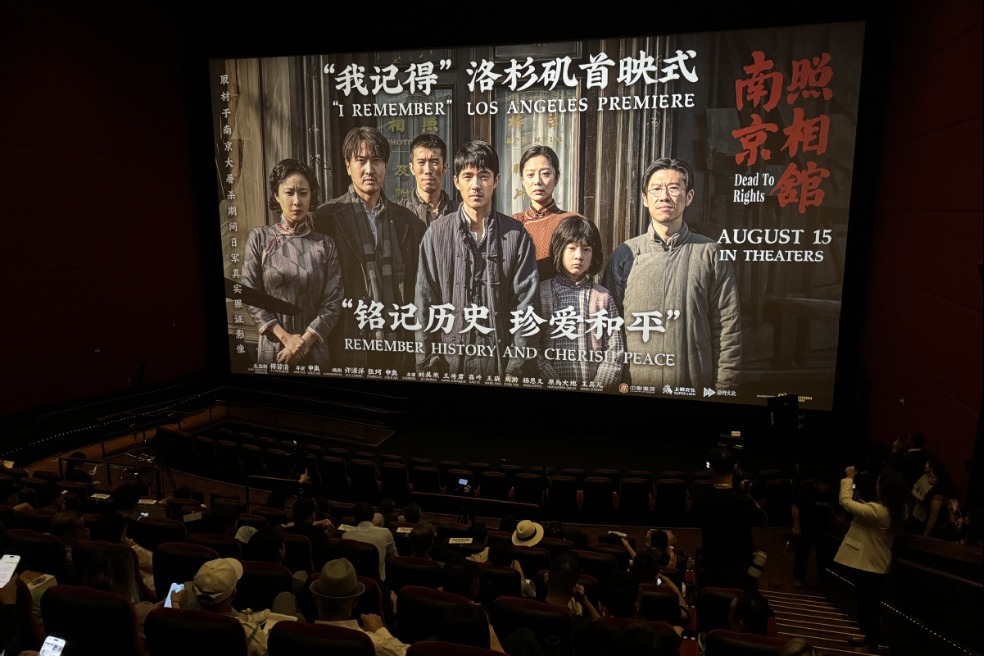
Over 1.2 million visits were made between China and Kazakhstan in 2024 alone, proving the people-to-people ties underpin this grand strategy. The successful operation of China-Central Asia tourism trains and the surging popularity of Chinese films and TV series in the region attest to an emotional and cultural resonance that transcends policy documents.
This cultural diplomacy is foundational. Xi's emphasis on deepening exchanges among youth, women, political parties and think tanks illustrates a conviction that long-term peace and prosperity are only possible when anchored in shared values and grassroots connection.
Enhancing security
In a world wracked by fragmentation, Central Asia finds itself at the crossroads of competing global interests. Xi's proposal for a "security framework for peace, tranquility and solidarity "offers a clear alternative to foreign interference or destabilizing power plays.
China is offering practical and localized support that includes joint anti-terrorism drills, law enforcement training, cybersecurity collaboration and "Safe City "projects. The vision is simple. Security must be co-created by neighbors with a shared interest in peace, not manufactured by distant powers with divergent agendas.
Of particular note is China's insistence on aiding Central Asian states in developing their own national defense and security infrastructure. This is a nod to sovereignty and a rejection of paternalism. Xi's reaffirmation of multilateralism by his call to uphold the United Nations-centered international system and oppose hegemonism came at the right time. As the global order faces unprecedented tests, the China-Central Asia cooperation positions itself as a beacon of balance, fairness and inclusive development.
Global governance
China's willingness to support Central Asia's growing role in global governance is a recognition of the region's strategic centrality and its potential to act as a bridge between East and West, North and South. By pledging 1.5 billion yuan ($209 million) in grants and 3,000 training opportunities, establishing cooperation centers in poverty reduction, education exchange and desertification control, China is backing its words with concrete commitments. These are long-term investments in the region's capacity for self-determined and sustainable development.
The China-Central Asia story is one of renewal where ancient bonds meet modern aspirations, where equality wins over imposition, and where mutual benefit, not zero-sum logic, shapes the future. The China-Central Asia Spirit stands as a sturdy bridge not just between nations, but between past and future, between aspiration and action. It is a blueprint not just for regional growth, but for a more humane and balanced global order.
The author is executive director of South-South Dialogues, a Nairobi-based think tank.