'Zero-tariff 'a blow to zero-sum game







While many Western economies still impose political conditions and demand ideological selectivity, China's approach to trade with Africa is different: respect for countries' sovereignty, promotion of mutual benefit, and the pursuit of shared modernization. African countries are not passive acceptors of China's trade policy; they are active co-creators of a better, more inclusive economic order.
China's trade with African countries continues to grow. According to the General Administration of Customs, Sino-African trade reached a record $134 billion in the first five months of 2025, up 12.4 percent year-on-year.
This deepening economic relationship is now entering a transformative phase. On July 14, the General Administration of Customs announced that all taxable goods from African countries that have diplomatic relations with China will enjoy zero-tariff treatment. More than a technical revision of the tariff schedule, the move reflects a strategic shift in China's policy vis-à-vis Africa's development.
At a time when global trade is fractured by unilateralism, protectionism and geopolitical tensions, China's decision represents a powerful countermove. It reflects China's efforts to deepen South-South cooperation, resist the tide of "decoupling" and "de-risking", and reaffirm the principle that trade must serve development, not domination.
Africa contributes less than 3 percent to global trade value despite being home to more than 17 percent of the world's population, mainly because of tariff and non-tariff barriers that limit the competitiveness of African exports. China's new zero-tariff regime directly addresses this issue.
African goods such as Ghanaian cocoa, Ethiopian coffee, Kenyan avocados and Zambian copper, previously subject to duties, can now enter the Chinese market duty-free. As a matter of fact, China's zero-tariff regime will help sharpen African countries' price competitiveness, encourage diversification of trade, and boost investment in sectors such as agriculture, minerals and light manufacturing.
China is the world's largest importer of agricultural products and home to a consumer market of 1.4 billion people. The country's demand for organic and sustainable goods is rising. By connecting African producers with platforms such as JD.com, Pinduoduo and Alibaba, the policy will create new distribution channels and empower African smallholders and small and medium-sized enterprises to directly engage with end markets.
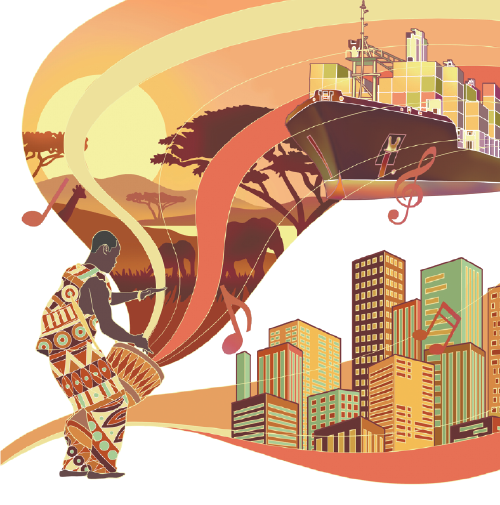
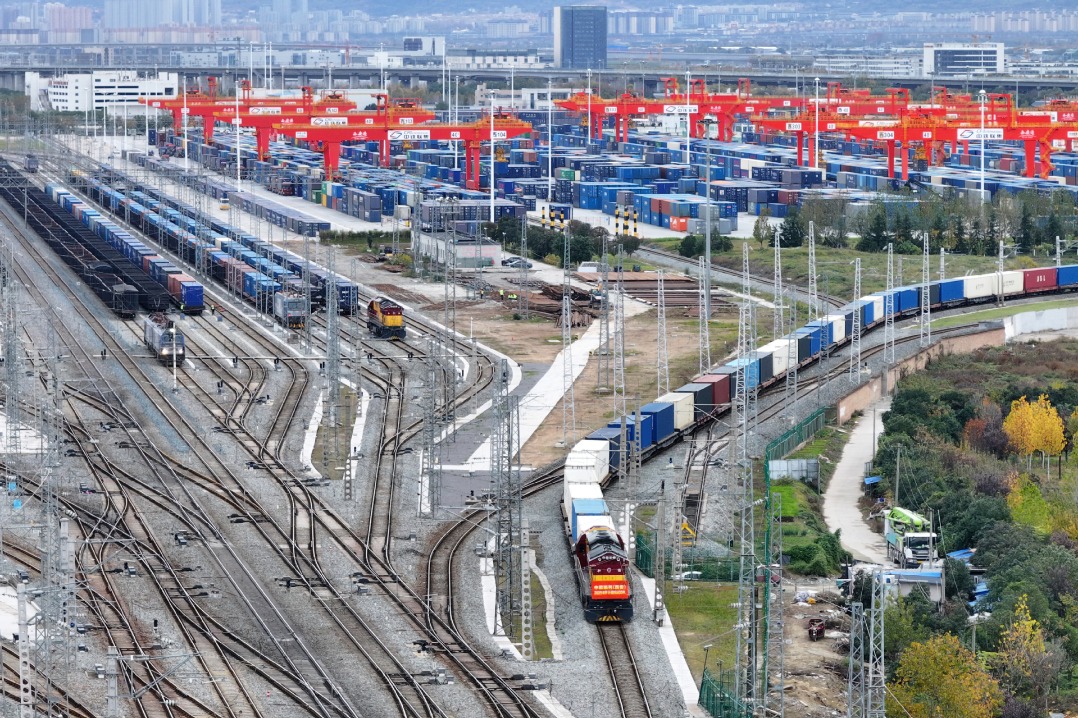
China understands that zero tariffs are not enough to boost African countries' trade, and it also has to help them improve their infrastructure and increase their production capacity. That is why it has been simultaneously investing in special economic zones, industrial parks, logistics corridors and agro-processing centers across the continent.
In Ethiopia, for instance, Huajian's manufacturing operations have created more than 12,000 jobs since 2011, with its "light industry city" project expected to generate up to 50,000 more jobs in the coming years. In Nigeria, Chinese partnerships are reviving stagnant sectors like textiles and ceramics. These are not extractive ventures but ones that need increased investment to upgrade value chains, boost local employment and facilitate structural transformation.
The real difference between the trade policies of China and Western economies is that the former does not force African countries into the trap of exporting only raw materials and non-manufacturing products. Instead, China's policy is aimed at promoting industrialization, skills transfer, and higher value-added production in African countries, so as to ensure their economic sovereignty.
China has adopted a zero-tariff policy at a time when global trade governance is in disarray, the World Trade Organization's reform uncertain, and "green protectionism", unilateral sanctions, and politicized trade instruments are on the rise. In this context, China's move is not only a rational, mutually beneficial economic move but also a diplomatic and moral statement.
The move demonstrates that true multilateralism is not upheld in meeting rooms but by concrete actions, including by lowering barriers, implementing inclusive policies, and restoring the voice and dignity of the Global South. This approach is in line with the aspirations of the African Union's Agenda 2063 and complements the agenda of the Forum on China-Africa Cooperation, which marks its 25th anniversary this year.
The message is clear: development is not a zero-sum game. By further opening up its market to African goods, China is creating new opportunities for all parties concerned.
As African countries strive to industrialize and diversify their trade, they need partners who will heed their call rather than lecture them, increase investment rather than impose more conditions on them. More important, China is offering partnerships, not as a benefactor, but as a fellow developing country pursuing shared progress and common prosperity.
In today's fractured world, this is what a real big responsible country is doing.
The author is a senior lecturer at Kent Business School, the University of Kent, and a fellow at the Taihe Institute.
The views don't necessarily reflect those of China Daily.


Today's Top News
- New Year's address inspiring for all
- Xi congratulates Science and Technology Daily on its 40th anniversary
- Xi congratulates Guy Parmelin on assuming Swiss presidency
- China Daily launches 'China Bound'
- Manufacturing rebounds in December
- PLA wraps up military drills around Taiwan