Australia gives nod to US beef imports amid tariff concerns







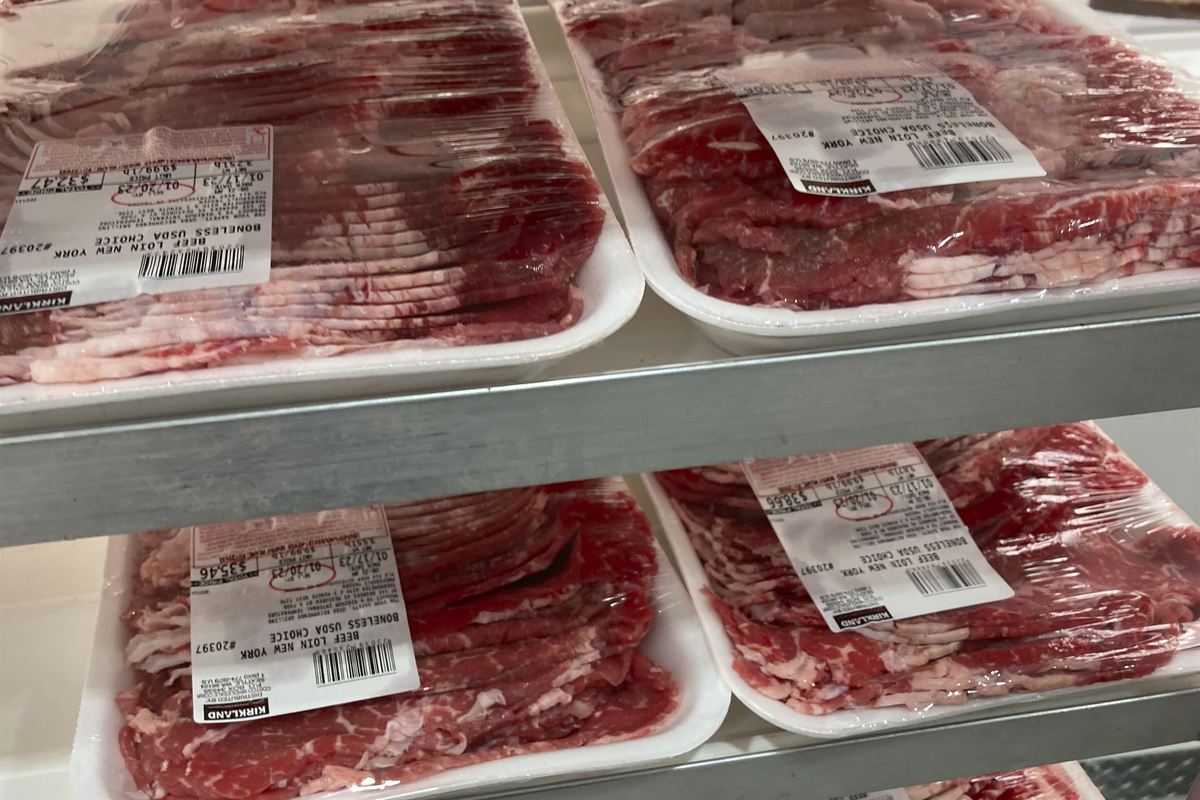
Australian authorities have expanded access for beef imports from the United States by lifting their biosecurity restrictions, in a move that analysts said would have minimal impact on the local market but could affect trade negotiations over US tariffs.
Australia's Agriculture, Fisheries and Forestry Minister Julie Collins told reporters on Thursday that the US "has been able to bring beef into Australia since 2019.
"In 2020, they asked for the expanded access. This process now is at conclusion and has taken around five years to conclude," she said.
"We are assured that the supply chain and the traceability and the safety of any food coming into Australia is safe."
The completion of the review by the Department of Agriculture, Fisheries and Forestry into US beef imports finalizes their access to the Australian market, according to Meat and Livestock Australia, the industry's marketing and research body.
The impact of US beef entering Australia "is expected to be minimal. It is unlikely there will be an adverse effect on Australian cattle producers", Meat and Livestock Australia's managing director Michael Crowley said in a statement on Thursday.
"The potential for US beef to be imported into Australia in large volumes is minimal, given the high demand for beef in the US, the low US cattle herd, the strength of the Australian dollar, our competitive domestic supply and, most importantly, Australians' strong preference for high-quality, tasty and nutritious Australian beef," he added.
More than 99 percent of the beef in supermarkets, pubs and restaurants is Australian, with the country producing about three times more beef than needed domestically and about 70 percent of production exported, Crowley said.
"In fact, demand for Australian beef in the US continues to grow. In June 2025, exports to the US rose 24 percent year-on-year, despite a 10 percent tariff introduced in April. US consumers value the quality, taste and nutritional profile of Australian beef," he said.
Australia exported more than 134,500 metric tons of beef in June alone, a record volume representing a 27 percent rise year-on-year, with exports to the US over 35,300 tons, according to Meat and Livestock Australia.
Ben Udy, lead economist for economic advisory body Oxford Economics Australia, told China Daily that Australian consumers are "unlikely to be very hungry for US beef imports, even after the lifting of biosecurity restrictions.
"Australia produces the vast majority of the beef consumed domestically itself," he said.
"What's more, to the extent that beef is imported, it's generally very high-quality beef from Japan or New Zealand. In fact, the US has been increasing its purchases of Australian beef rapidly over the last few years as poor weather has limited cattle numbers in the US.
"Overall, US farmers don't have much excess capacity to start supplying beef to Australia, and even if they did Australians are unlikely to be particularly interested."
But the change may be "just the thing Australian Prime Minister Anthony Albanese needs to extract concessions from US President Trump in tariff negotiations", Udy added.
The US has imposed a 10 percent baseline tariff on most Australian goods imports, in addition to a 50 percent tariff on Australian steel and aluminium imports, as part of worldwide tariffs rolled out by the administration of President Donald Trump.
"Trump has previously highlighted the US's positive relationship with Australia, pointing to Australian beef import restrictions as one of the few trade concerns the US has with Australia," Udy said.
Australia has seen tariffs on most exports increase by 10 percent since the Trump administration's move and "given that no country has negotiated a general tariff lower than the minimum 10 percent rate, we doubt any progress can be made there", he added.
But the removal of US beef import restrictions "should make an exemption to sector specific tariffs more likely".
Lower tariffs on steel and aluminium tariffs would be welcomed by exporters, though the sector is small in terms of Australia's total exports, Udy said.
He added that, more importantly, around 9 percent of Australian exports to the US are pharmaceutical products, so ensuring an exemption to any future pharmaceutical tariff, which Trump has threatened to raise as high as 200 percent, could be "a significant win for the Australian economy".
alexishooi@chinadaily.com.cn