BRI a farsighted vision leading the future of development







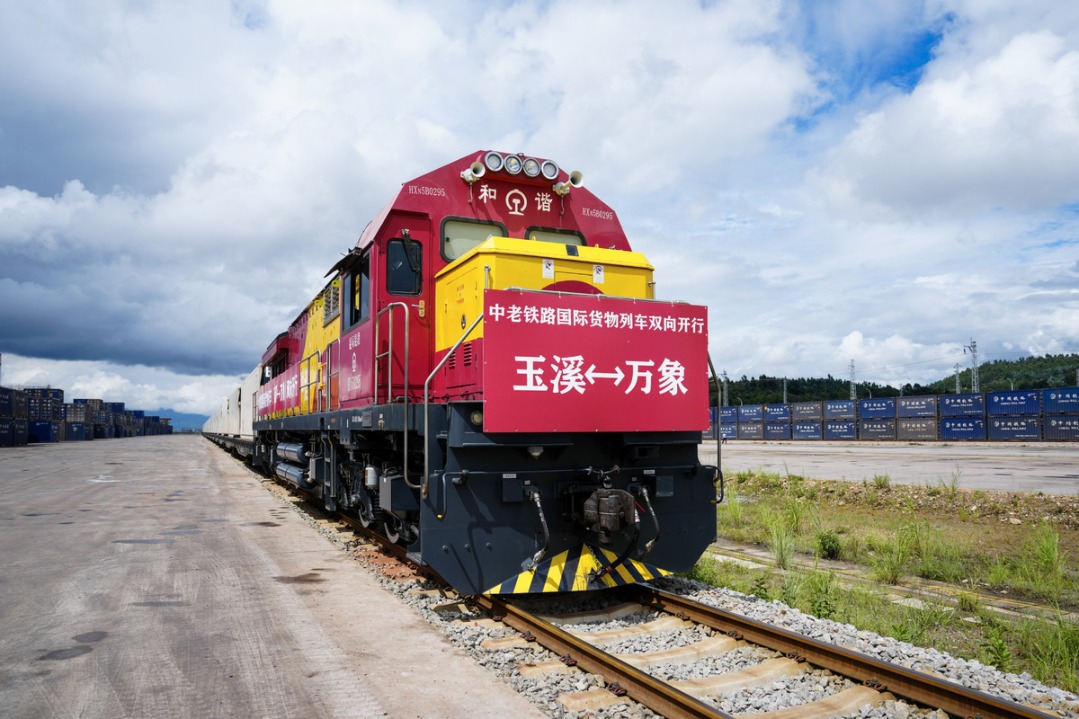
The Belt and Road Initiative has experienced a transformative journey in its almost 12 years of existence, becoming one of the world's most influential projects since the establishment of the Bretton Woods system, which gave birth to the International Monetary Fund, the World Bank, and other organizations.
After initially turning many heads, touching many nerves, and challenging hegemony, the initiative today is acknowledged for its foresight and success. While the internal apprehension has turned into confidence, the external resistance has changed from passive to active.
Some observers expressed caution regarding the initiative. Concerns centered on the financial commitments involved in supporting developing countries and the complexities of engaging with diverse cultural and economic contexts. For some, the idea of providing resources without immediately visible returns raised questions about the initiative's long-term impact and sustainability.
The general apprehension rested on the narrative that it would be a burden rather than a boon for China. Some of this internal apprehension diffused externally in the media. A recent research study, "A Decade of Evolving Sentiment on the Belt and Road Initiative in Elite Magazines", captures its essence — where, when, how and why the Western narrative resists the BRI both explicitly and implicitly.
The comprehension of the initiative moved in a positive direction internally and on a more critical course externally. Western governments, media, and influential academic groups painted the initiative in a dismal light while glorifying the Bretton Woods system the Western powers established.
Many scholars and think tanks in the West claimed the BRI is an ambitious yet potentially "harmful" venture which would create more risks than rewards, both for China and its global partners, and the Bretton Woods system alone could address all the global economic woes.
The internal apprehension over the initiative's foresight in the beginning changed to comprehension of its farsightedness with its success. The belief in the initiative has consolidated further because it is the only equalizing and stabilizing factor amid the global turmoil and the gradual demise of the Bretton Woods system. Western observers are realizing the importance of the vision, commitment and determination of Chinese leaders as China continues to progress despite the obstacles created by Western countries and emergencies such as the COVID-19 pandemic.
Through the Belt and Road Initiative, China has been sharing its expertise in infrastructure and industrial technologies with other developing countries, thus helping them improve their critical infrastructure and boost their economic development. Such exchanges have also opened up new markets for Chinese companies, fostering the growth of Chinese industries and better aligning supply and demand. The initiative has enabled China and its partner countries to enhance their industrial capabilities, creating long-term value and fostering shared growth.
Besides, the BRI has proven invaluable — as a stabilizer of the global economy — amid escalating trade and technology wars. By diversifying global trade routes and fostering closer ties with countries across Asia, Africa and Europe, the initiative has helped China mitigate the risks posed by disruptions to global free trade and addressed looming natural and man-made crises. In fact, it has created a resilient global network that operates free of the frictions of the Bretton Woods system.
While initially criticized for focusing on smaller and developing countries, the BRI has built a robust social capital of partners that previously, in many cases, were overlooked by the Bretton Woods organizations and thus were excluded from key global development projects.
By investing in infrastructure and providing essential financial support for these countries, the initiative has forged long-term partnerships, which have become valuable diplomatic assets for China and helped spread its influence across the world, while creating opportunities for shared growth.
The success of the BRI has resulted in emancipation from the Bretton Woods system and capitalization of the coordination mechanisms for inclusive and effective development, creating favorable conditions for the growth of infrastructure, technology and industrial sectors.
China's vision of global connectivity and inclusivity also aligns with the needs and visions of its partner countries. This "lock-in effect" has influenced global development in a way that benefits both China and its trade partners, creating a mutually reinforcing cycle of innovation and growth.
The apprehension that once dominated public discourse in the West has, in many parts of that region, changed into acknowledgment of the BRI's pivotal role in shaping the future of the global economy. Many, initially doubtful of the initiative's success, see the wisdom in China's long-term vision now that the trade war has laid bare the US' real intentions.
At the core, some resistance has intensified because the BRI has achieved tremendous success. But most of the world has realized the value and benefits of the initiative.
The lens we should use to evaluate the Belt and Road Initiative is not immediate cost-benefit analysis, but rather the cost had the initiative not been there.
What would have been the impacts of the US trade war, and restrictions on the exports of goods and technologies on China in the absence of the Belt and Road Initiative? It is time for the remaining skeptics to shed their bias and acknowledge that the initiative is now a cornerstone of global development.
The author is a professor of innovation studies at Liaoning University.
The views don't necessarily represent those of China Daily.
If you have a specific expertise, or would like to share your thought about our stories, then send us your writings at opinion@chinadaily.com.cn, and comment@chinadaily.com.cn.


Today's Top News
- Restoring truth is the least we can do to serve history
- Israeli airstrikes hit Gaza amid worsening humanitarian crisis
- Book on Confucianism launched in Brussels
- Right track for China-ROK ties lauded
- Nursery rooms help fathers take part in parenting duties with more ease
- Innovation key to cultivation of growth drivers