World needs the UN, and a stronger one







In October, the United Nations will celebrate its 80th anniversary. Since its founding in 1945, the UN has long been a cornerstone of global peace and development, and its 80-year journey has been one of both extraordinary achievements and immense challenges.
In 1948, the UN embarked on its first peacekeeping mission in the Middle East.
Today, with more than 20 active missions deployed across the globe, it stands as a vital guardian for millions trapped in war-ravaged areas, effectively providing protection, including safe passage for civilians and aid delivery, defusing simmering tensions, and preventing local disputes from spiraling into larger, more devastating conflicts that could destabilize entire regions.
The UN has helped many countries raise their development levels.
In 2000, it set the UN Millennium Development Goals, a bold agenda to halve extreme poverty in 15 years.
2015 saw the adoption of the UN Sustainable Development Goals, a road map to end poverty, protect the planet and ensure universal prosperity by 2030.
These are not abstract targets. For example, SDG 1, focused on poverty eradication, has helped lift over a billion people out of extreme poverty over the past years.
The UN has also been a catalyst for historic progress in human rights.
The Universal Declaration of Human Rights, adopted in 1948, established the principle that all people, regardless of race, gender or nationality, are entitled to dignity and equality. Over the decades, this has translated into many international treaties banning apartheid, empowering women and protecting refugees.
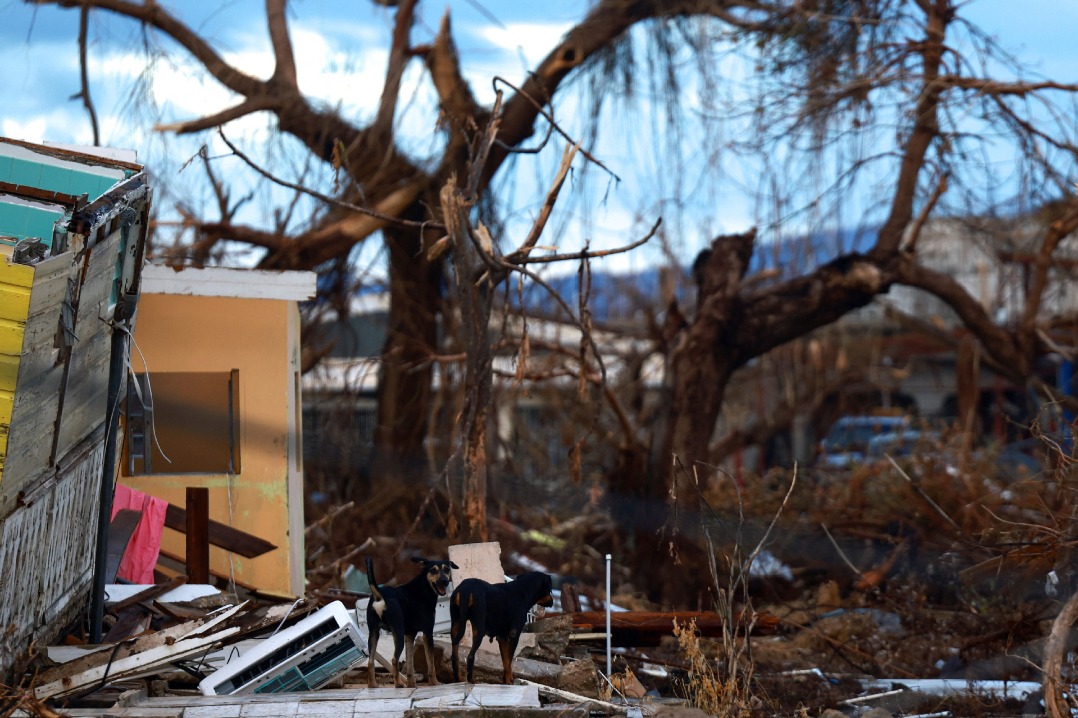
Yet, 80 years later, the UN faces a new set of tests. Geopolitical tensions are higher than at any point since the Cold War. Climate change, once a distant threat, now causes extreme weather events that displace millions of people each year and cost the global economy billions of dollars annually. Economic in-equality has reached staggering levels. The SDGs are currently off track, with only 17 percent of targets on pace to be met by 2030, according to UN reports.
Meanwhile, with the changing international power balance, especially the rise of the Global South, the UN's structure and decision mechanisms, designed for a world of 51 nations in 1945, are struggling to keep up. The UN appears powerless to deal resolutely with some of the current regional conflicts or wars. Nontraditional threats, from cyberattacks to artificial intelligence governance challenges, have also laid bare the organization's limits in responding swiftly and effectively.
On the other hand, developing countries, which constitute a large majority of the global population, hold a disproportionately small share of seats in key UN decision-making bodies, leaving their voices insufficiently represented on issues that directly affect them. Critics contend that this imbalance further undermines the legitimacy and effectiveness of global governance.
The UN's seeming lack of effective response to some of these complexities has led to criticism that powerful member states often act outside the UN frameworks, eroding the UN's authority and fueling skepticism about its role, and has even raised doubts about its ability to tackle urgent global crises and its capacity to enforce resolutions consistently across nations. These doubts, while not dismissing the UN's historical role in fostering international cooperation, highlight ongoing concerns about whether it can fully adapt to the complex challenges of the 21st century.
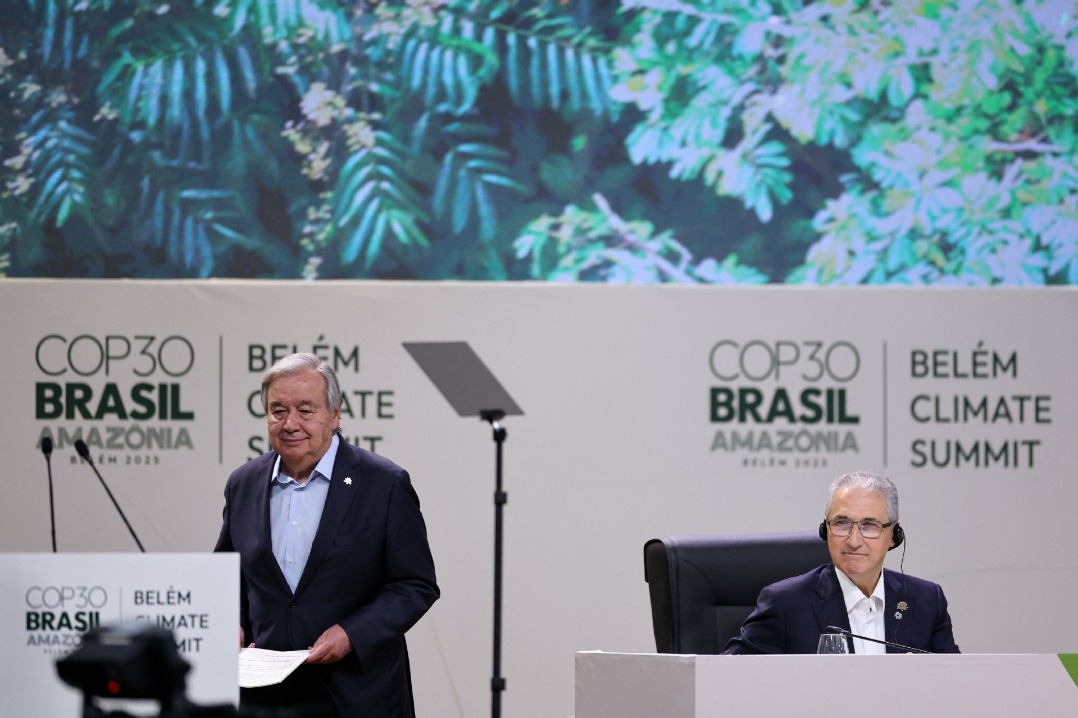
In the face of these challenges, UN Secretary-General Antonio Guterres launched in March the UN@80 Reform initiative. The plan focuses on three critical areas: streamlining institutions to cut red tape and speed up action; optimizing decision-making to make it more inclusive, ensuring that developing countries have a greater say in debates over climate, trade and technology; and reallocating resources to focus on the Sustainable Development Goals to accelerate their implementation. It is regarded as a bold effort to modernize the organization for the 21st century.
Amid these doubts and challenges facing the UN, it is notable that China has been a steadfast supporter of the UN's global governance endeavors, standing firm in shaping solutions to global challenges within the UN framework. China, as a vital force in safeguarding global security and stability, actively participates in UN peacekeeping operations. It firmly supports the UN development agenda, helps developing countries build capacity, and advocates a people-centered approach to human rights, all while upholding the UN's central role as the cornerstone of multilateralism and resolutely anchoring its engagement in the purposes and principles of the UN Charter.
China's stance thus amplifies the voice, as the world reflects on the UN today, that says the UN's 80 years of remarkable achievements, albeit fraught with complexities and ongoing challenges, ought to dispel any doubts about its pivotal role in global governance. The achievements should also remind the world that multilateralism with the UN at its core is not just a choice, it is the only way to solve the world's problems. The complexities and challenges facing the world today will only strengthen the case for renewing commitment to multilateralism and upholding the UN.
All in all, the point is: The world needs the UN, and it needs a stronger UN — more agile, more representative and more capable of delivering on its promises. For in the end, the UN's greatest strength is not its resolutions or institutions, but its ability to unite the world around a shared vision. That vision, inscribed in the UN Charter 80 years ago and embodied in the UN's Sustainable Development Goals today, remains the world's best hope for a future in which peace and prosperity are not privileges, but promises kept.
The author is former country director of the United Nations Development Programme.
The views do not necessarily reflect those of China Daily.