China-BRI partner nations' food trade to grow







Senior government officials from more than 20 partner countries participating in the Belt and Road Initiative said they will step up cooperation with China in agricultural trade and food safety, aiming to strengthen economic ties and build more resilient supply chains among partner economies.
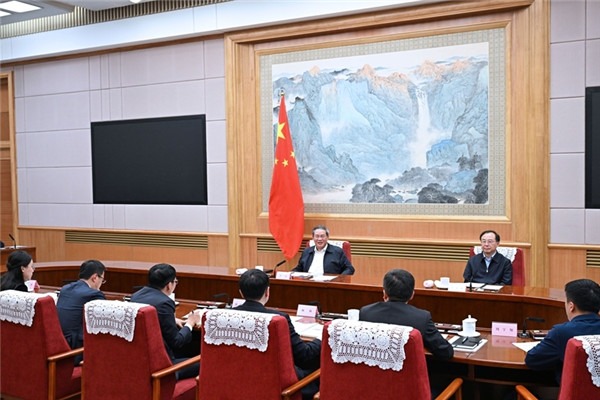
Gathering in Shanghai on Wednesday for a BRI conference on food-safety cooperation in trade, ministers of agriculture from countries including South Africa, Turkiye and Kazakhstan said that expanding cooperation with China in agricultural technology, standards harmonization and market access would strengthen food security, generate employment and foster sustainable development among participating economies.
Sun Meijun, minister of the General Administration of Customs, said that as multilateral trade faces growing challenges, China is willing to strengthen international cooperation on food safety and promote the facilitation of agricultural trade.
"Protectionism leads nowhere," said Sun, adding that only through solidarity and cooperation can countries achieve economic growth and improve people's living standards.
In the first three quarters of this year, China's food trade with partner countries and regions involved in the BRI reached 915.24 billion yuan ($128.45 billion), up 2.5 percent year-on-year, according to Customs statistics.
John Steenhuisen, South Africa's minister of agriculture, said that expanding cooperation with China in agricultural trade and food safety will help unlock the economic potential of South Africa and other African countries, fostering trade growth and rural development.
Such collaboration can enhance agricultural productivity, attract investment in processing industries, and create more employment opportunities across Africa, Steenhuisen said.
Other developing economies are also stepping up cooperation with China to diversify agricultural exports and deepen their role in global value chains.
After seeing vast opportunities for both local and Chinese investors to collaborate in processing and exporting its agricultural products, not only to China but also to global markets, Dith Tina, Cambodian minister of agriculture, forestry and fisheries, said his country's participation in multiple free trade agreements, including those with China and the Association of Southeast Asian Nations, will provide a strong foundation for cross-border investment and goods distribution.
He said Cambodia's key export strengths include tropical fruits, spices, cashew nuts and forest-derived plants used in traditional medicine.
"Among them, Cambodian cashews, along with the country's aromatic tropical fruits and distinctive spices, are expected to win growing favor among Chinese consumers," he added.
Since the beginning of this year, the GAC has signed more than 100 cooperation documents with counterpart departments in partner countries involved in the BRI, including over 70 agreements on market access for agricultural and food products.
Between January and September, China's imports of agricultural products from other economies participating in the BRI accounted for 69.1 percent of its total agricultural imports, up 3.1 percentage points from the same period last year, Customs data showed.
Wan Zhe, a professor specializing in regional economic development at Beijing Normal University, said that the growing scale and diversity of agricultural trade under the BRI reflect deeper integration of supply chains and a shared commitment to food security.
"By aligning standards and expanding mutual market access, economies participating in the BRI can better withstand external shocks and create a more stable, inclusive agricultural trade system," said Wan.
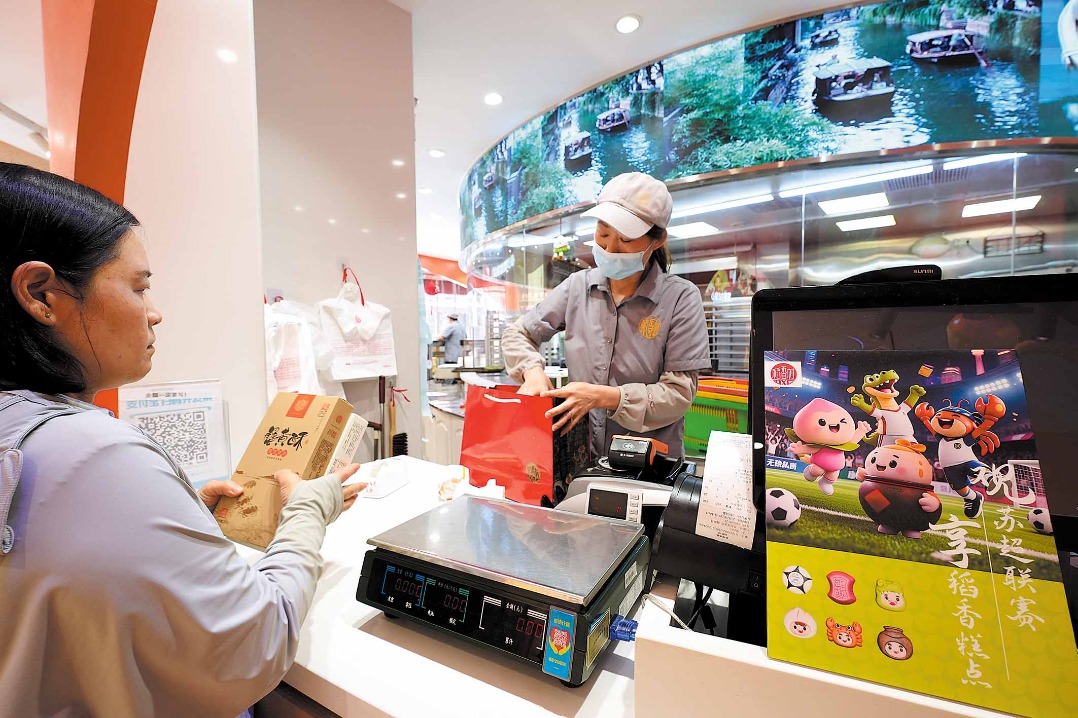
This expanding network of agricultural cooperation is also being felt at the local level, where Chinese cities are emerging as vital hubs for the distribution of imported food products.
From January to September, Kunshan, a city in East China's Jiangsu province, imported green coffee beans worth 1.5 billion yuan from countries like Colombia and Ethiopia, up 7.6 percent year-on-year, said Nanjing Customs.
Wang Rui, foreign trade manager at Kunshan Yiguo International Trade Co, a coffee trader and storage service provider, said specialty beans from BRI partner countries are gaining in popularity among Chinese consumers, driven by the nation's growing coffee culture and demand for quality.