Expert: China must journey from easy to hard money







As the half-century of global prosperity built on China-US complementarity is reaching its natural limits, the era of "easy but low-margin money" is drawing to a close.
China now must learn to earn "hard money" — by rebuilding balance within, advancing technological strength, climbing up the global value chain and carving out new markets worldwide, according to Li Xiaojia, former CEO of Hong Kong Exchanges and Clearing Ltd (HKEX).
Li said in an exclusive interview with China Daily that he sees this transition, though painful, as both inevitable and timely, aligning with the upcoming 15th Five-Year Plan's (2026-30) focus on rebalancing growth and reinforcing self-sufficiency. He emphasized that this is not merely a response to external pressures but a necessary evolution for the Chinese economy.
"For the next five to 10 years, we are shifting gears on an uphill road," Li said. "It's risky. But once the gears catch, the engine roars forward — and you accelerate faster than ever."
For decades, globalization rested on a delicate choreography: China, powered by its demographic dividend and cost advantages, became the "world's factory"; the United States, anchored by technological innovation and financial prowess, remained the engine of global consumption.
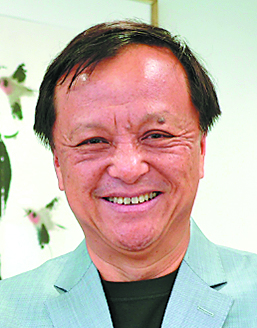
According to Li, both China and the US benefited from globalization during the past 30 years. But the lion's share of wealth was captured by US financial and corporate elites, siphoned offshore through complex tax and regulatory structures, leaving behind a hollowed-out industrial base, overleveraged lower and middle class and a deeply divided society.
In China, years of low-margin manufacturing face a structural reckoning: a nation that produces almost everything for the world, but earns only a fraction of the value it creates at the far end of the value chain.
"It looked like an easy game — the world's capital came, factories thrived, exports soared," Li noted.
However, that model has run its course. Now comes the time for a harder, but truer, kind of growth — one built on intellectual property, core technologies and integrated solutions.
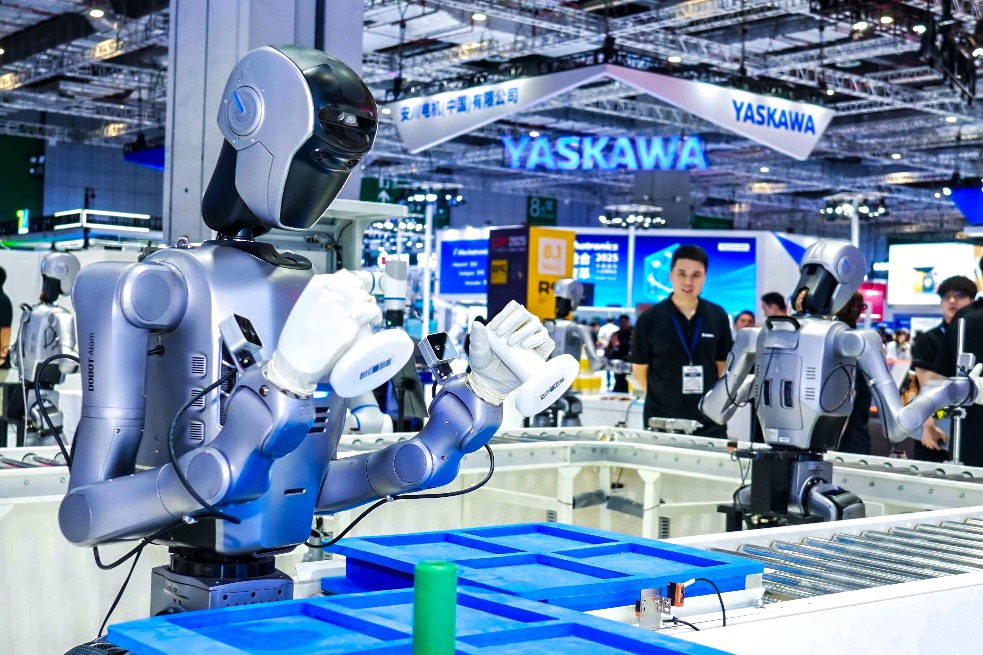
For Li, this is what China's pursuit of new quality productive forces truly means: a shift from the world's factory floor to its design table.
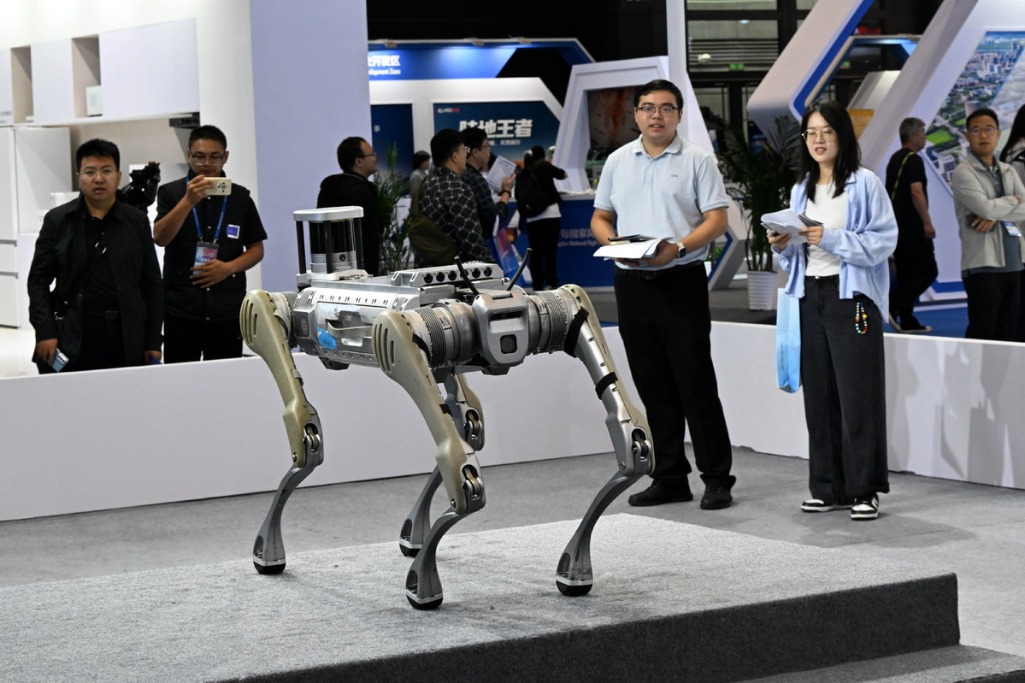
Li sets his sights on untapped markets under the framework of the Belt and Road Initiative, where China has a whole package of development solutions and know-how in next-generation tech to export, from infrastructures and renewables to quantum science.
The new frontiers are taking shape.
Despite exports to the US falling for six straight months, growth in China's global exports hit a six-month high of 8.3 percent in September, beating economists' estimates and markedly better than the 4.4 percent year-on-year increase in August, Customs data showed on Monday.
"It's hard work," he noted. "But it blazes a new trail in claiming the bigger share of a self-determined future."
At home, the quest for hard money is about slicing the pie more fairly — reshaping the mechanisms of distribution and governance to ensure that the gains of growth are more evenly shared.
Having spearheaded multiple listing reforms during his 11-year tenure at HKEX, Li founded Micro Connect in 2021. The financing platform packages revenues from China's grassroots economy into tradable instruments and channels funds to millions of small businesses that contribute to 90 percent of nationwide economic activity.
This June, Li's newly launched investment firm — Micro Connect International Finance — filed for a Hong Kong listing under Chapter 21, a framework designed for investment companies to raise funds from institutional investors.
Li said the Hong Kong debut is "expected soon" and hopes it will pave the way for more such ventures to follow, further integrating smaller enterprises into the financial ecosystem.
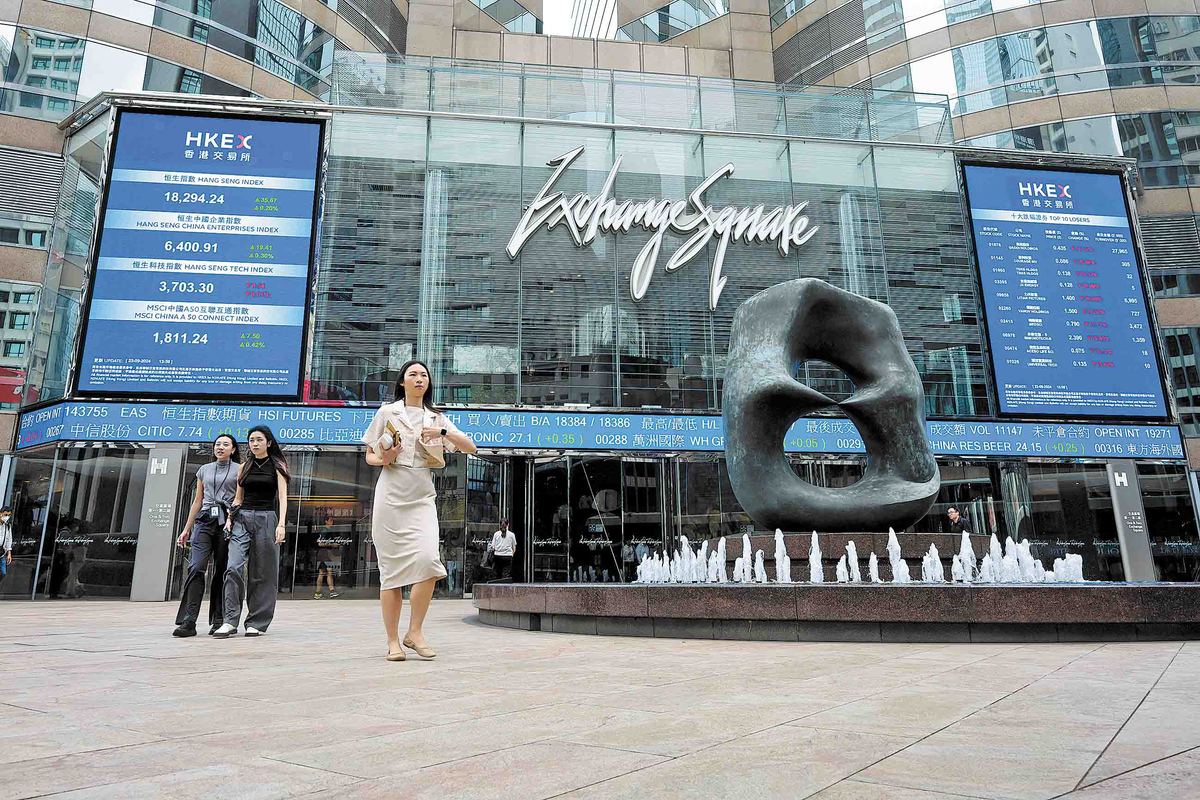
As dynamics between the world's two largest economies lose rhythm, Hong Kong's strategic relevance is more evident than ever. "The special administrative region stands as the one and only place where two systems, two ideologies and two capital worlds can still meet," he said.
The city's unique standing lies in being China's only common-law market, a system money inherently trusts. "Common law works by exclusion — a blacklist of what's forbidden. Civil law works by permission — a white list of what's allowed. For global capital that depends on speed, clarity, flexibility and rule of law, common law is the natural home. That's why all major financial hubs — New York, London, Singapore and Hong Kong — share the same legal DNA," Li explained.
While Hong Kong's irreplaceability remains unchanged, what will change is the order of voices. "For the past 30 years, global capital led the tune and Chinese capital followed. The next three decades will be the reverse," Li stressed. "Capital has its own gravity — where there is profit to be made, overseas capital always finds its way back — often stronger than before."
As the bigger story unfolds, Li sees the quiet awakening of a structural bull run in the Hong Kong market, volatile but fundamentally upward amid the turbulence of a changing world.