Louvre theft shows that museum security cannot be left to chance







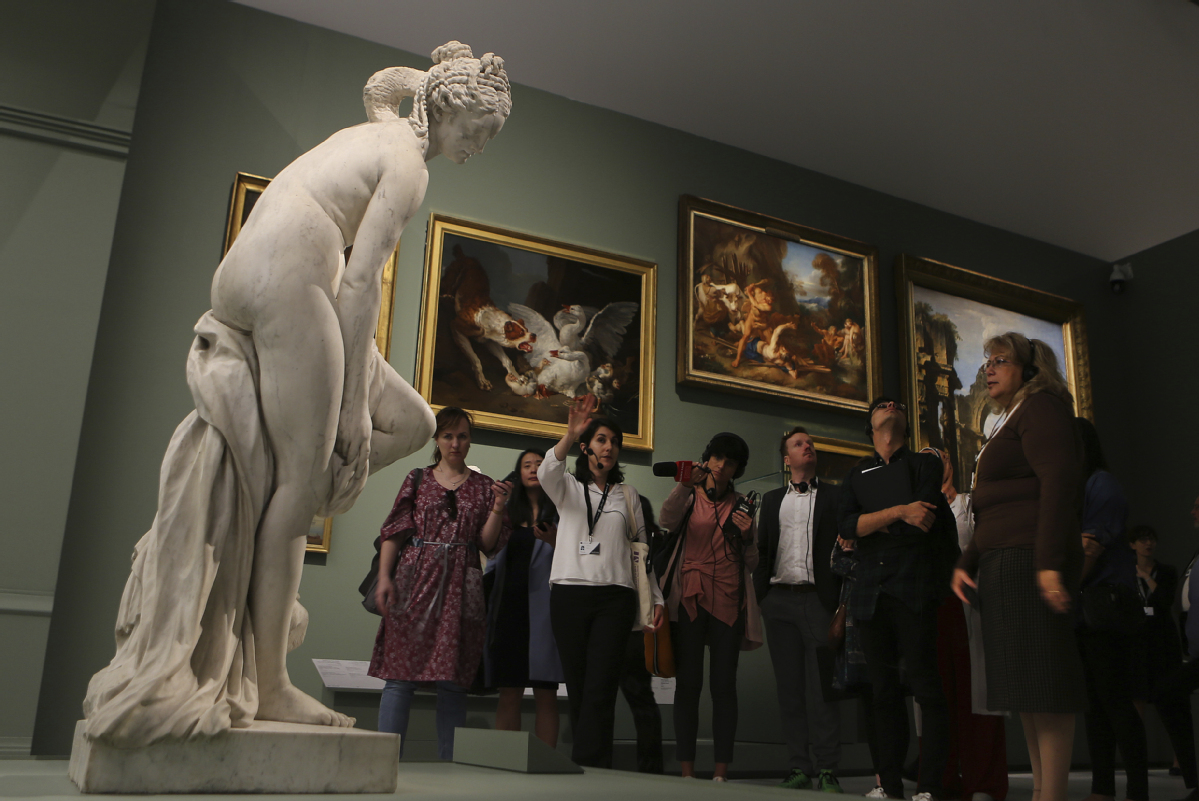
Going by Paris Prosecutor Laure Beccuau's description, the thieves that broke into the Louvre Museum on Sunday morning stole jewelry that has "sentimental value and is priceless". The perpetrators of the crime used an angle grinder to force open a window of the museum and then used the same tool to threaten security guards.
In an interview with France Inter radio, French Interior Minister Laurent Nu?ez said, "Individuals entered the Louvre Museum …using an external freight elevator that was positioned on a truck."
Photographs taken shortly after the incident showed the police sealing off the area near the Seine where the perpetrators had erected the freight elevator. This shows that those who carried out the crime were not ordinary burglars, but highly organized criminals who understood both the strengths as well as the blind spots of one of the most secure institutions in Europe.
By installing a freight elevator on a public street, they exploited a simple loophole: the disconnect between internal museum security and external municipal surveillance. Inside the Louvre security is tight — there are metal detectors, and limits on the bag size visitors can carry inside. However, a freight elevator on a truck bed parked outside the museum would not draw anybody's attention; even patrolling police, if there were any, would mistake it for a moving company or construction company's vehicle and equipment.
The last recorded theft at the Louvre dates back to 1998, when a painting by French painter Camille Corot was stolen in broad daylight and has never been recovered. Over the years, the Louvre's security system has improved; entry protocols have become more complex. Yet the criminals, too, have equipped themselves with more sophisticated tools and become more daring.
The latest heist sends a warning that no system is ever foolproof. What is especially troubling is not merely the loss of valuables, but also the precedent it sets.
If criminals can break into one of the most protected museums in the world, what stops others from doing the same elsewhere? The technique could, in theory, be replicated at other museums, government offices, corporate archives, or even private residences.
What needs to be improved is coordination between institutions and city authorities. Museums might be equipped with the best internal security system, but if the city-level surveillance system fails to flag suspicious activity outside the museum walls, the system remains incomplete. Urban safety demands integration between private and public monitoring, between human vigilance and automated intelligence.
Paris, like many European capitals, has invested heavily in security infrastructure since the mid-2010s, when terrorist attacks transformed public safety priorities. Yet the Louvre heist shows that such security infrastructure can be circumvented.
It's time the whole security environment underwent a thorough review to prevent similar crimes from happening again. The Louvre incident tells us that safety cannot be taken for granted, even in the heart of civilization's greatest cities. Paris now faces the task of not only finding those behind the theft but also closing the security gaps, the latter being a task many other European cities need to undertake.
We hope this case is cracked at the earliest and that it serves as a wakeup call that security in modern metropolises should never be taken lightly.