Games demonstrate inclusion, inspiration







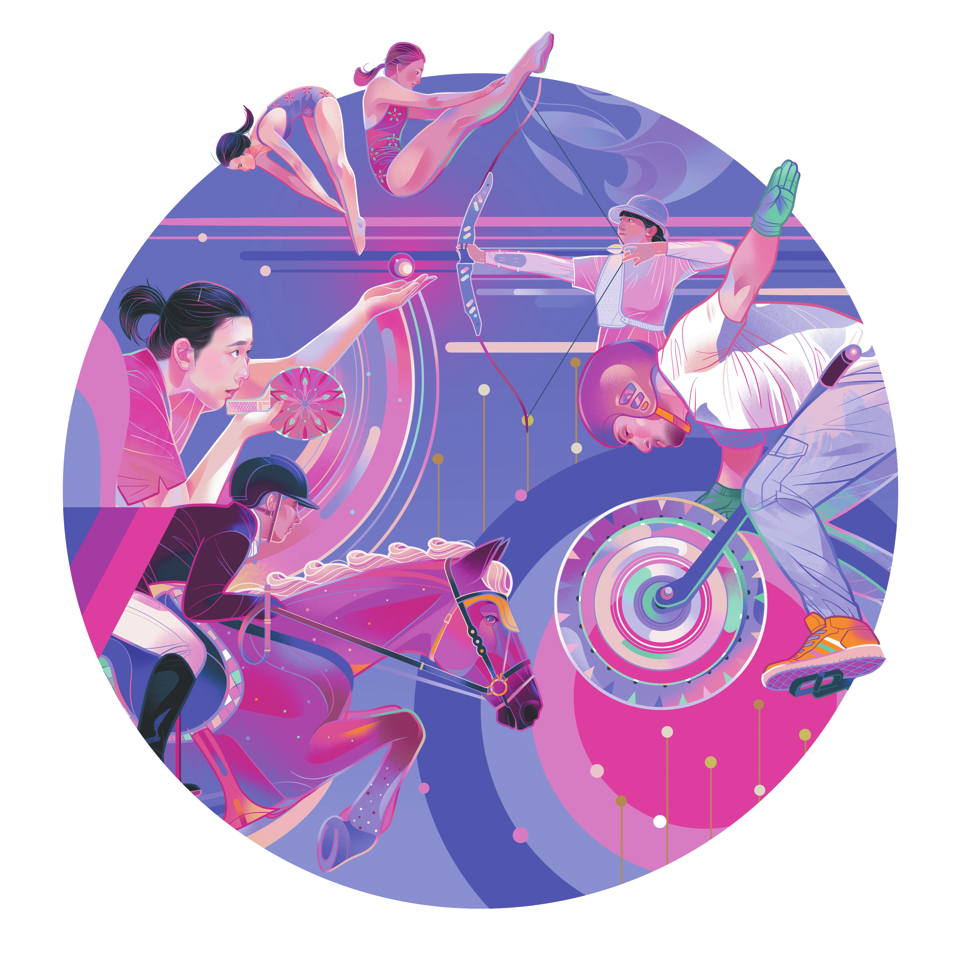
When the 15th National Games opened in Guangzhou of Guangdong province on Nov 9, it marked a spectacular demonstration of event management, technological integration and the principle of shared participation. For the first time the National Games were jointly hosted by the Guangdong-Hong Kong-Macao Greater Bay Area, a historic milestone that embodied innovation, collaboration and the unifying spirit of "one country, two systems".
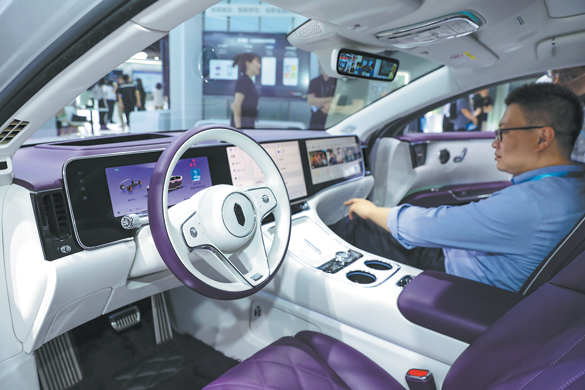
The integration of technological innovation in the sporting event was striking. The main torch was lit by a flame drawn from 1,522 meters below the sea level, symbolizing the depth of technological advancement. The torch relay featured robots and autonomous vehicles, AI-powered cameras assisted referees and smart seating facilities ensured an inclusive experience for spectators with disabilities. Together, these innovations turned the National Games into a highly efficient, intelligent and inclusive sports festival.
Having represented Jiangsu province in several National Games — from a young hopeful to team captain — I know that the pressure often rivals that of the Olympics. For many athletes, it is not just about winning medals. Beyond the desire to bring glory to one's team, winning performances open doors for future career transitions. In that sense, the Games are a springboard for an athlete's professional journey.
Over the years, the National Games have evolved, but there has been a continuity amid change. On the one hand, there has been a surge in mass participation. Citizen competitions, once unheard of, have grown into a thriving movement that involves the entire community. Sports and culture have merged more deeply, enhancing storytelling and emotional resonance. Technology now empowers both the arena and the training regimes, transforming the spectator experience and athlete preparation.
On the other hand, the Games have preserved their core essence. They continue to be a pinnacle of competition, an incubator for Olympic talent and a stage where athletes pursue excellence and embody the spirit of sportsmanship, driven by a shared mission to honor their province and contribute to the nation's sporting legacy.
The National Games not only showcase professional athletes but have become a platform for promoting fitness across all age groups. This year's National Games expanded mass-participation events to a record 23 major categories and 166 sub-events. Emphasizing "all-age friendliness," they incorporated culturally distinctive sports like dragon and lion dances.
I participated in a recent meeting of the International Olympic Committee on future strategic directions, which emphasized digital and technological innovation, sustainable development, equality and inclusion, and good governance and credibility. Observing this year's National Games — from multi-region coordination to cutting-edge technological applications, from age-inclusive mass-participation events to optimized organizational processes — it is clear that China's national sporting events are actively aligning with the global trends advocated by international sports organizations.
Traditionally, the National Games have focused on elite domestic athletes, serving as a relatively closed "internal training ground". Today, however, the Games have evolved into an open platform that supports Olympic strategies, integrates sustainable development principles and emphasizes participation for all. In doing so, China's sports sector is engaging in an unprecedented "two-way journey" with the international Olympic movement.
This journey involves shared missions and challenges: promoting sustainability, embracing digital innovation, and safeguarding athletes' rights. It also embodies reciprocal learning, with China contributing Eastern insights while drawing on global experience. The synergy between concept and practice is both a philosophical and strategic dialogue, seeking concrete answers through action.
This leads us to explore several specific topics in depth. First is the sustainable legacy of large-scale sporting events. The true success of an event is in ensuring that venues remain vibrant even after the Games have ended, which transforms short-term spectacles into long-term urban benefits. The adoption of modular stadium designs and multifunctional operations has proved successful in this regard, demonstrating the importance of forward-looking planning and functional versatility.
Second, technology-driven lifestyles are increasingly visible in sports. While AI-driven training has changed the way athletes prepare for competitions, augmented and virtual reality are reshaping how spectators watch them. For the general public, gamified "metaverse" fitness platforms offer daily exercise routines, breaking spatial boundaries and providing high-quality resources across regions. These innovations not only expand the boundaries of sports but also challenge traditional business models. Sports organizations must proactively embrace these trends to connect with and serve new generations of participants.
Third, the culture of sports should be cultivated to keep the passion alive during non-competition periods between major sports events. Stories about ongoing sports events, maintaining a vibrant atmosphere and conveying the essence of sportsmanship are critical for sustaining public interest in sports. Creating habits of daily enjoyment, annual engagement and long-term attention to competition will elevate both public interest and the sports market.
The 15th National Games mark a new starting point for high-quality development and deeper international engagement in Chinese sports. The National Games are far more than a quadrennial competition — they are a window into the trajectory of Chinese sports and the achievements of Chinese modernization. We look forward to seeing Chinese sports tell more stories to the world, and to hearing more Chinese voices on the global stage.
The author is the former captain of the Chinese women's volleyball team and associate professor at the School of Sports Science and Physical Education in Nanjing Normal University.
The views don't necessarily reflect those of China Daily.




Today's Top News
- China-Cambodia-Thailand foreign ministers' meeting held, press communique issued
- Drills demonstrate China's resolve to defend sovereignty against external interference
- Trump says 'a lot closer' to Ukraine peace deal
- China pilots L3 vehicles on roads
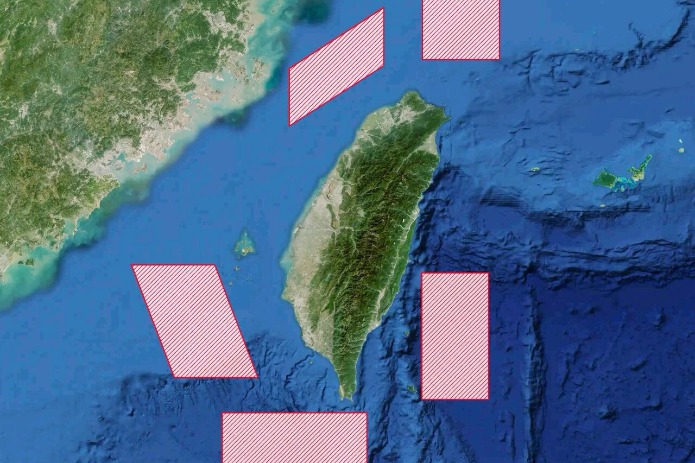
- PLA conducts 'Justice Mission 2025' drills around Taiwan
- Partnership becomes pressure for Europe