Distorted thinking behind harmful 'trade revolution' overthrows reason







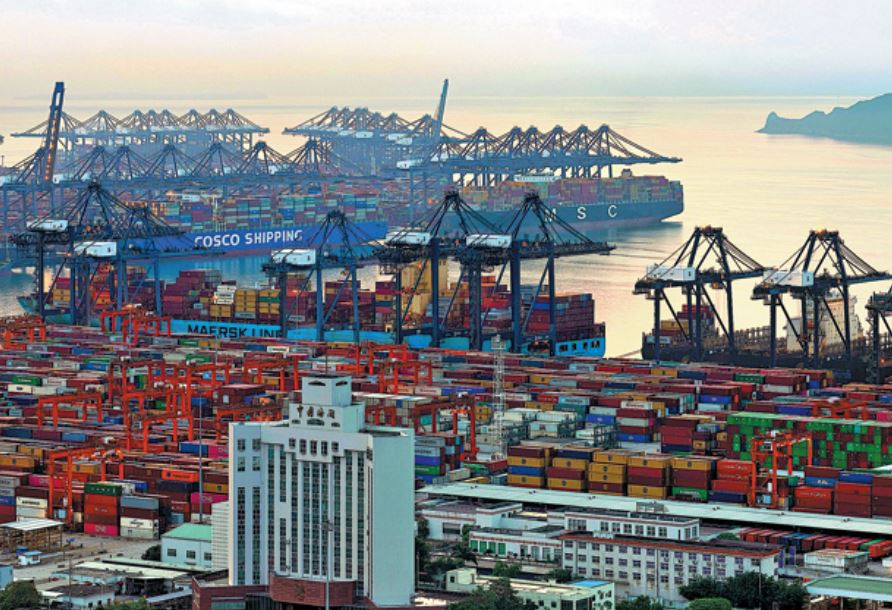
Senior Counselor to the President for Trade and Manufacturing of the United States Peter Navarro's recent signed article carried by Mexican media is a textbook example of how ideological bias and zero-sum thinking continue to distort the view of international trade among some policymakers in Washington. By openly smearing Chinese exports, hailing Mexico's tariff hikes as "a major milestone" in what he calls the US administration's "trade revolution", and urging US allies to follow suit, Navarro has once again exposed the coercive and confrontational logic behind certain US politicians' economic narratives. It is therefore entirely justified that the Chinese embassy in Mexico called his remarks "extremely despicable" and expressed China's strong dissatisfaction and resolute opposition to such claims.
Navarro's assertions are not grounded in economic reality but in political calculation. As the Chinese embassy in Mexico rightly pointed out, he is a right-wing politician with a notorious record of politicizing and weaponizing trade issues, providing public-opinion cover for hegemonism rather than contributing to constructive dialogue.
By portraying unilateral tariff measures as a supposed positive turning point for the postwar trading system, Navarro deliberately ignores the fact that the very prosperity of the US after World War II was built on an open, rules-based multilateral trading order.
What Navarro promotes today is not reform but regression. Under the banner of a "trade revolution", he advocates unilateralism, protectionism and economic coercion, attempting to reshape international trade rules through pressure and intimidation. Such practices undermine global supply chains, erode trust among trading partners and inject unnecessary uncertainty into the world economy. As the embassy statement noted, openness brings progress, while isolation leads to backwardness — a lesson repeatedly proven by history.
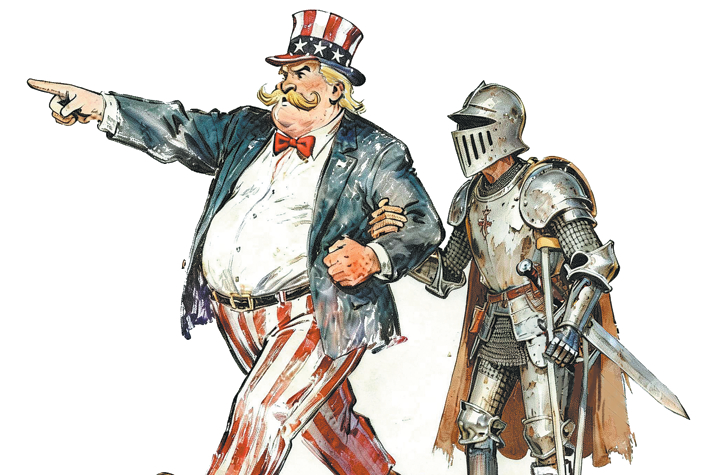
Equally troubling is Navarro's call for US allies to "follow Mexico's lead".This reflects a familiar pattern in which Washington seeks to export its models and force third-party economies to choose sides. Rather than respecting the autonomy and development needs of its partners, it pressures them to adopt discriminatory measures that harm their own industries and consumers. This approach runs counter to the interests of developing economies in particular, including those in Latin America, which need cooperation, stable supply chains and diversified partnerships — not externally imposed trade barriers.
China's position on this matter has been consistent. It advocates resolving economic and trade differences through equal dialogue and consultation, and firmly opposes all forms of unilateralism, protectionism and exclusionary practices.
The country also opposes any actions that damage its legitimate interests. This stance is not only about safeguarding national rights, but also about defending the integrity of the multilateral trading system that benefits all participants, especially developing economies.
The broader context of China-Mexico and China-Latin America relations further exposes the hollowness of Navarro's rhetoric. China and Mexico have enjoyed decades of steady ties, with bilateral relations elevated to a comprehensive strategic partnership in 2013. China is Mexico's second-largest trading partner, and cooperation spans manufacturing, energy, infrastructure and people-to-people exchanges. More broadly, China has become Latin America's second-largest trading partner, with trade volumes and cooperation continuing to expand in both quality and scope.
Cooperation between China and Latin America is guided by principles fundamentally different from those espoused by Navarro. As outlined in China's latest policy paper on Latin America and the Caribbean, China seeks solidarity, mutual benefit, openness and win-win cooperation, and explicitly rejects hegemonism and power politics. The China-Latin America relationship does not target or exclude any third party, nor is it subordinate to the interests of others. Its aim is common development and shared prosperity, not zero-sum rivalry.
In the face of growing global uncertainty, the world needs bridges, not walls. Navarro's inflammatory rhetoric and ideological labeling neither solve trade imbalances nor strengthen international cooperation. Instead, they risk aggravating global economic fragmentation. As the Chinese embassy in Mexico urged, Navarro and those who share his mindset should seriously reflect on their mistaken beliefs, end their political manipulation and self-deception, and return to the right path of dialogue, cooperation and respect for multilateral rules. Only in this way can international trade truly serve development and stability, rather than be a weapon of division.