BIZCHINA> Editor Choice

|
BIZCHINA> Editor Choice
|
|
Related
Energy subsidies 'unsustainable'
(China Daily)
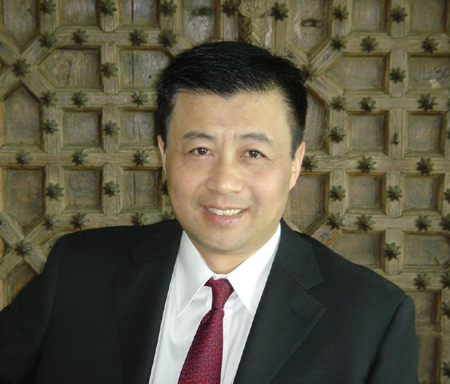
Updated: 2008-07-25 15:40 While oil prices in international markets continue to break new records in the first half, China has only raised the prices of gasoline and diesel by as much as 18 percent, in an effort to keep them artificially low. Experts say such a move is largely caused by the concern that higher energy prices would trigger further consumer inflation. Lin Boqiang, director of the China Center for Energy Economics Research at Xiamen University, talked to China Daily reporter Wang Xu about the effect of the price control measures.
Q: The central government has managed to control energy prices in the first half to curb inflation. What do you think of the effect of such measures? A: The move makes sense in the short term. The government is using price control to slow down the momentum of inflation, rather than inflation itself. In the first half, the measures proved to be effective as the CPI increase slowed down. However, price control on energy products is unsustainable and harmful to the economy in the long run. In the first place, the current price controls were made possible at the cost of hefty government subsidies. Such subsidies could be a heavy burden for the government. Moreover, making energy prices artificially low is contrary to the government's aim of reducing energy consumption and enhancing energy efficiency in the nation. Some companies are now relying on low energy prices for their competitive edge, rather than efficiency and technical innovation. Q: As you mentioned, the current control on energy prices is unsustainable. Do you think the government will allow further energy price hikes in the second half? A: After the Olympic Games, once the consumer inflation stabilizes, the government should jack up energy prices. Actually, the impact of energy price hikes on consumer inflation in the short term could be less than we expected. The current theory is that once energy prices go up, the price of industrial products would have to increase. Such a theory overlooked the fact that overcapacity is rife in many industries in China. Meanwhile, a slew of items in the CPI basket are already under government subsidies, such as food and public transportation. The government could continue to do so to ensure the basic need of the low-income group. Q: If inflation stays at a high level in the second half, do you think the government should still increase energy prices? A: Yes. Making energy prices artificially low is always a net loss. It's just paying a higher price tomorrow, rather than today. Other economic costs are also high. For example, the electricity prices were being kept low in the first half to alleviate the cost pressure of manufacturing enterprises. But the loss-making power plants were thus unwilling to increase their production capacity, which led to power shortages in some places. Q: Do you think it's necessary to set the prices of all energy products the same with those in international market? Some experts think since China has a relatively abundant reserve of coal, we could mark down its price. A: China has a very limited coal reserve, once you take into account the nation's huge population. According to our calculation, the nation's coal demand will amount to 4.5 billion tons in 2020, but the nation's peak coal production capacity is around 3.5 billion tons. So at that time, the nation will need to import another 1 billion tons of coal. So price surges in crude oil today will also happen for coal then. But for China, a sudden price hike in coal will have much more of a serious impact on its economy, as coal accounts for more than 70 percent of our energy consumption, while oil only takes up 20 percent. So we need to hike coal prices soon to help increase energy efficiency and avoid waste, and the government also needs to limit the exports of coal-related products. Q: What measures could the government take to alleviate the impact of energy price hikes? A: One measure the government should take is to increase direct subsidies for the low-income group. Granting subsidies directly to the low-income residents is more efficient than to power-producing enterprises. For example, the government now is subsidizing the higher-income private car owners through artificially low petrol prices. Once the government allows petrol prices to rise, it could garner more tax from oil producing enterprises and thus use the funds to subsidize low-income groups who are truly in need of it. Moreover, it could levy specially "windfall tax" on domestic oil companies to keep their profits at proper levels. (For more biz stories, please visit Industries)
|
主站蜘蛛池模板: 南岸区| 金昌市| 安义县| 五家渠市| 鹤峰县| 蒙城县| 邳州市| 镇江市| 沈丘县| 女性| 青铜峡市| 扶沟县| 田阳县| 黎平县| 天津市| 枣庄市| 凉城县| 托里县| 建昌县| 民丰县| 涡阳县| 聂拉木县| 天台县| 陵水| 乌兰浩特市| 靖宇县| 河池市| 通河县| 蓬安县| 华坪县| 乌苏市| 开阳县| 永昌县| 万源市| 凤冈县| 富顺县| 靖西县| 巴里| 建始县| 兴安盟| 淳安县| 大化| 乐昌市| 金平| 辽阳县| 介休市| 长武县| 文化| 湖州市| 淮阳县| 延寿县| 抚远县| 湟源县| 大邑县| 河津市| 日照市| 桃园市| 施秉县| 乳山市| 恭城| 扎鲁特旗| 吉木萨尔县| 朔州市| 关岭| 五台县| 莆田市| 固镇县| 禹城市| 杭锦后旗| 贺兰县| 大厂| 鄢陵县| 论坛| 宁强县| 寿光市| 镇安县| 永嘉县| 南昌市| 贵州省| 百色市| 河东区| 高安市|