BIZCHINA> Center

|
BIZCHINA> Center
|
|
Related
New guidelines aim to brew more, better tea exports
By Xie Yu (China Daily)
Updated: 2008-09-16 10:41
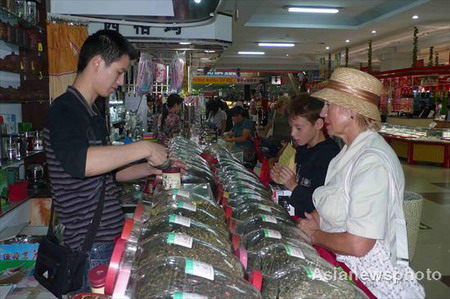 Growing and brewing tea was elevated to an art form by Lu Yu of the Tang Dynasty (AD 618-907), whose treatise is considered the bible of tea culture throughout Asia. But the new government guidelines for growers and processors, to be released on October 1, are not about sipping tea in a pavilion by a lily pond - they are serious business. Tea is one of China's major export commodities. The country shipped 151,000 tons of tea worth a total of $344 million to overseas markets in the first half of this year, up 5.49 percent year-on-year. Officials and analysts said that if planters and processors improve the quality of their tea, they could not only sell more but also boost profit margins. For instance, Chinese tea is sold at an average of $2.27 a kg - 60 percent cheaper than Sri Lankan tea. The appreciating renminbi is also undermining local exporters' competitiveness and rising fertilizer, labor and transport costs are trimming profits. The only way for local tea planters and processors to compete and stay profitable is to improve quality, industry analysts said. "If China wants to make a breakthrough in tea exports, it must put more effort into quality control," Zhu Zhonghai, director of the China Tea Marketing Association's information department, said. Stricter inspections in markets such as Japan and the European Union on imported tea and other produce is adding to the pressure. From 2009, Japan's list of inspection items will increase to 144 from 83. Not all Chinese tea exports will meet those standards. The country's inspection system is currently limited to checking harmful chemical levels. The new guidelines will be far more comprehensive, industry sources said. Although they will not be compulsory, it is expected that planters and processors will abide by them because of the benefits they will bring. "If exporters follow the new guidelines and give instructions to the tea planters and processors, they will be able to regulate their production process and avoid export risks," Li Jia, who has worked for a tea exporter for three years, said. The guidelines will be adjusted down the track and could eventually become compulsory, Zhu said. But some tea exporters said their products already meet the most stringent foreign import requirements. "I have heard of the new document, but since it's not compulsory, it might not affect us," Jiang Wei, of the Shanshan Tea Co in Zhejiang province, said. Shanshan Tea has three factories and several tea gardens. Jiang said the tea producer communicates directly with its clients - most of whom accept the existing standards - and directs its growers accordingly. China is the world's biggest tea producer, but it is the fourth largest tea exporter. Zhu said poor marketing is holding back growth. "China does have quality tea," Zhu said. "But compared with bigger exporters like Sri Lanka and India, we haven't been as active when it comes to promoting local teas." Sri Lankan and Indian producers have successfully promoted their strong black teas to foreign markets, but China's tea culture remains relatively unknown, Zhu said.
(For more biz stories, please visit Industries)
|
主站蜘蛛池模板: 同心县| 澜沧| 乌海市| 寿阳县| 蓝山县| 白玉县| 东港市| 当阳市| 赤峰市| 金寨县| 醴陵市| 时尚| 亳州市| 社会| 静宁县| 闻喜县| 沭阳县| 会东县| 南丹县| 威信县| 镇巴县| 淄博市| 襄城县| 准格尔旗| 石柱| 朔州市| 申扎县| 石狮市| 都昌县| 女性| 雷山县| 涿州市| 吉林市| 武强县| 辽宁省| 浦江县| 东台市| 定边县| 郁南县| 乌苏市| 九龙坡区| 岳普湖县| 类乌齐县| 沙坪坝区| 乌拉特中旗| 大新县| 沾化县| 林周县| 定州市| 库尔勒市| 开封县| 和静县| 和硕县| 昌乐县| 伊春市| 安宁市| 华安县| 潼南县| 锡林郭勒盟| 吴旗县| 黄骅市| 内丘县| 东平县| 仪征市| 曲靖市| 余江县| 大邑县| 中山市| 东明县| 长岭县| 白朗县| 沛县| 克什克腾旗| 宁安市| 巴东县| 芒康县| 榆树市| 菏泽市| 鄯善县| 罗城| 夏河县| 大同县|
