The era of double-digit annual GDP growth rates appear to have ended in China. Hence, the country has entered a new stage of slower growth rates, but with greater potential to raise income levels and upgrade living conditions nationwide. An age of sustainable development could help the Chinese find better jobs, reside in higher-quality housing and breather more fresh air.
For the government to create a better economy, lowering taxes would be an effective long-term solution that could spark a brighter entrepreneurial spirit and boost consumer spending. Lower taxes means higher incomes.
Apparently, China's top officials are moving ahead on tax reforms. Chinese Vice-Premier Li Keqiang stands at the forefront to turn tax cuts into reality. Chinese media reports quote him as saying last Thursday that structural tax cuts can transform the economic growth pattern. He calls for expanding pilot projects across the country that would replace a business tax with a value-added tax (VAT).
Calling for tax cuts holds much symbolic significance. However, some prominent economists have argued that governments should enact progressive stimulus measures to fund large-scale infrastructure projects and provide more social services subsidies for the public. They contend that stimulus spending can provide more temporary jobs and extra spending money for consumers.
Nevertheless, a flood of government spending could increase sovereign debt burdens and may lead to higher taxes to finance bond repayments for many decades to come. The Chinese government has been very successful restraining itself from excessive deficit spending. But even though China has enjoyed remarkable economic growth for the past three decades, the country's tax system remains complex to say the least.
"Chinese manufacturers currently pay a value-added tax levied on profits, while firms in the services sector pay a business tax based on sales revenues," according to Reuters. "The current tax system has drawn criticism because some goods end up getting taxed by both the value-added tax and business tax."
Accordingly, Vice-Premier Li is accurate when saying new tax reforms could reduce taxes for small-scale taxpayers by an average of 40 percent in trials."
Tax reforms were first carried out in Shanghai and would be expanded to Beijing, Guangdong and Zhejiang in August, as well as nine other provincial regions. Additionally, telecommunications, railway transportation and construction sectors would join in on trials too.
Some tax cuts could bring in more profits for eco-friendly companies that produce alternative sources of energy that would reduce carbon emissions as well. These companies could be eligible for generous tax breaks and rebates.
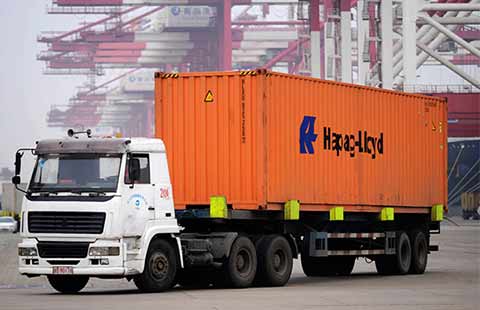
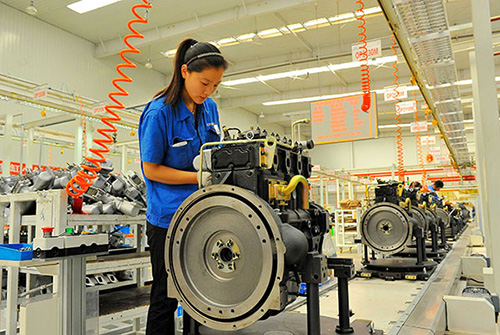
Meanwhile, China must contend with a transition from a manufacturing-based and exports-driven economy towards a service-oriented and a consumer-generated economy. Many factories have been moving out of China and opening up in Southeast Asian countries to exploit lower labor costs. China's success story has made this shift inevitable, since a stronger economy causes higher wages for workers.
Through a more developed services and retail sales sector, China can enjoy better living standards. Nonetheless, blue-collar workers can still obtain employment. The emergence of more white-collar jobs could generate a construction boom of more office buildings and shops.
Additionally, lower taxes would give Chinese consumers more cash to go shopping, to invest, to save or do all of the above to maintain pro-growth economic conditions. Some could even argue that tax cuts have historically been more of a jobs creator and if an economy rises then even with lower tax rates, tax revenues can still go higher.
It seems imperative for Beijing to pursue economic reforms with tax cuts for strong and stable growth. Perhaps, countries from all over the world should follow a similar path in cutting taxes as a solution to boost the global economy.
The views do not necessarily reflect those of China Daily.
McGregor@chinadaily.com.cn


Copyright 1995 - . All rights reserved. The content (including but not limited to text, photo, multimedia information, etc) published in this site belongs to China Daily Information Co (CDIC). Without written authorization from CDIC, such content shall not be republished or used in any form. Note: Browsers with 1024*768 or higher resolution are suggested for this site.
License for publishing multimedia online 0108263 Registration Number: 130349